
IBS (irritable bowel syndrome) is a common gut-brain condition. It causes abdominal pain with diarrhea, constipation, or both. IBS does not damage the intestine the way IBD does, but flare-ups can disrupt work, sleep, and meals.
This guide covers IBS symptoms, common triggers, when to see a doctor, and relief strategies that match current clinical advice, including food tracking, soluble fiber, low-FODMAP trials, stress care, and sleep.
What is IBS?
IBS is a functional gastrointestinal disorder. Tests may look normal, but the gut is more sensitive and the timing of muscle contractions is off. The gut-brain axis, stress, infections, hormones, and gut bacteria can all play a role.
Doctors often group IBS into:
- IBS-D — diarrhea predominant
- IBS-C — constipation predominant
- IBS-M — mixed diarrhea and constipation
Common IBS symptoms
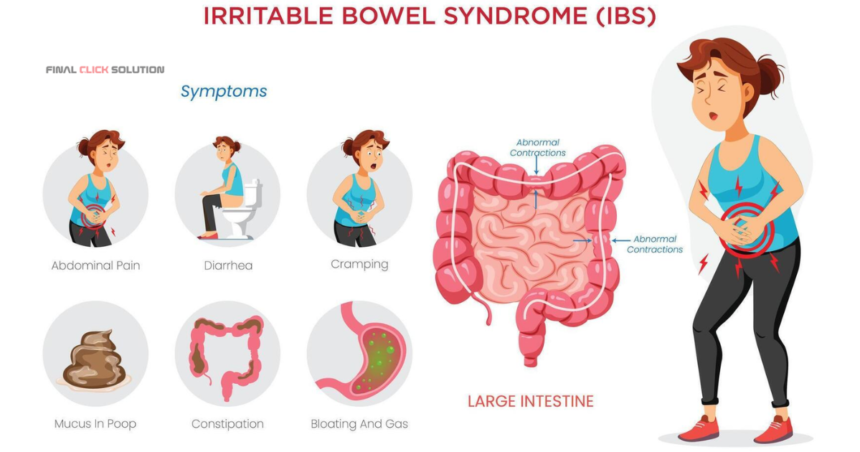
- Abdominal pain or cramping that often eases after a bowel movement
- Bloating and gas
- Diarrhea, constipation, or switching between both
- Mucus in stool
- Feeling of incomplete emptying
- Urgency after meals or with stress
Symptoms tend to follow patterns. A one-off stomach bug is not IBS. Recurring pain plus bowel-habit change for months is more suggestive and needs a clinician to confirm.
Pain may sit in the lower abdomen, shift sides, or feel like a band of pressure after eating. Bloating often worsens later in the day. Some people also notice fatigue, headache, pelvic discomfort, or urinary urgency. Those extras can travel with IBS, but they do not prove the diagnosis on their own.
Common IBS triggers
Foods and drinks
Triggers vary by person. Frequent offenders include fatty or fried foods, dairy (if lactose intolerant), beans, onions, garlic, wheat for some people, carbonated drinks, alcohol, and caffeine — including coffee that upsets the stomach.
High-FODMAP carbs (fermentable sugars in some fruits, wheat, legumes, and sweeteners like sorbitol) can increase gas and bloating.
Stress, sleep, and hormones
Stress does not “cause” IBS by itself, but it can worsen pain and urgency through gut-brain signaling. Poor sleep and menstrual cycle changes also flare symptoms for many people. Managing stress is part of IBS care, alongside daily mental health habits.
Eating too fast and some medicines
Fast eating, large meals, antibiotics, and some pain relievers can trigger symptoms.
Who is more likely to notice IBS
IBS is more often diagnosed in people assigned female at birth, though men have it too and are underdiagnosed. Symptoms frequently begin in adolescence or early adulthood. A prior gut infection — traveler’s diarrhea, viral gastroenteritis, or food poisoning — can leave the bowel more reactive for months. That pattern is sometimes called post-infectious IBS.
Family history, anxiety or depression, endometriosis, migraine, and fibromyalgia show up more often alongside IBS than in the general population. None of those conditions “creates” IBS by willpower. They share overlapping nerve signaling, inflammation after infection, and sleep disruption. Shift work, irregular meals, and high caffeine intake can make an already sensitive gut louder.
When to see a doctor
Seek medical care promptly for unexplained weight loss, blood in stool, fever, anemia, persistent vomiting, symptoms that wake you at night, or new symptoms after age 50. These are not typical IBS-only signs.
How IBS is diagnosed
There is no single IBS blood test. Diagnosis is based on symptom pattern (often Rome criteria) after ruling out other conditions. Your clinician may order blood work, stool tests, celiac screening, or colonoscopy when red flags are present.
Rome-style criteria usually look for recurrent abdominal pain, on average at least one day a week in the last three months, tied to bowel movements or a change in stool frequency or form. The clock starts after symptoms have been present for about six months. Your clinician still decides which tests are needed based on age, family history, and alarm features — not a checklist you apply at home.
Questions worth asking at the appointment
- Which IBS subtype fits my stool pattern, and what would change that label?
- Which tests are useful now, and which can wait?
- Could celiac disease, bile acid diarrhea, microscopic colitis, ovarian disease, or thyroid problems look like this?
- Is a short, supervised low-FODMAP trial appropriate, or should I start with fiber and meal timing first?
- Which over-the-counter products are reasonable for my subtype, and which should I avoid?
- When should I return sooner than the planned follow-up?
Bring a two-week log if you have one: meal times, symptom scores, stool form (Bristol chart numbers help), sleep, menstrual days, and medicines. A short factual record beats a vague “my stomach is always bad.”
Sample days that many people tolerate
These are examples, not prescriptions. Skip any food you already know is a trigger, and get tailored advice if you have diabetes, kidney disease, eating-disorder history, or are pregnant.
Gentler IBS-D day
- Breakfast: oats cooked in lactose-free milk or water, banana, and a small spoon of peanut butter
- Lunch: rice, baked chicken or tofu, cooked carrots, and a few cucumber slices
- Snack: lactose-free yogurt or a firm banana if fruit is usually safe
- Dinner: potatoes without skins if skins bother you, white fish or eggs, and zucchini sautéed in a small amount of oil
- Drinks: water and an oral rehydration sip if stools are frequent — see dehydration symptoms
Gentler IBS-C day
- Breakfast: oats or kiwi with yogurt; start psyllium only if a clinician or pharmacist has agreed on a dose
- Lunch: quinoa or rice bowl with tofu or chicken, cooked spinach, and grated carrot
- Snack: orange or berries if they sit well, plus a large glass of water
- Dinner: lentil soup in a modest portion if legumes are tolerated, or a second lean-protein meal with roasted squash
- Movement: a 15–20 minute walk after meals often helps stool transit more than straining
Water-rich foods like cucumber, melon, and broth-based soups can support fluid intake without heavy, fatty meals.
Medication and supplement cautions
Do not stack several new gut products in the same week. Peppermint oil enteric capsules can ease cramps for some adults; they can worsen reflux. Loperamide can reduce IBS-D urgency for planned events, but daily unsupervised use can hide infection, bile acid problems, or inflammatory disease. Stimulant laxatives used every day can cause cramping and dependency concerns; osmotic options such as polyethylene glycol are often preferred for IBS-C under guidance.
Fiber is not one substance. Psyllium is usually better tolerated than wheat bran. Jumping from no fiber to large salad bowls often increases gas. Iron tablets, magnesium oxide, metformin, some antidepressants, and NSAIDs such as ibuprofen can change stool form. Do not stop a prescribed medicine on your own. Ask before adding “gut detox” teas, high-dose vitamin C, or sugar-alcohol “keto” sweets — those commonly mimic IBS-D.
Antibiotics can shift the microbiome and trigger a flare or, less often, Clostridioides difficile infection. New severe diarrhea after antibiotics is not a moment for another probiotic experiment at home; contact a clinician, especially with fever or blood.
When not to self-treat
Home strategies are for a known, previously evaluated IBS pattern — not for a first episode of severe pain, not for bleeding, and not for progressive weight loss. Skip elimination diets if you already restrict food heavily or have a history of disordered eating; a dietitian-led plan is safer. Do not use leftover steroids, someone else’s antibiotics, or daily narcotic antidiarrheals.
Seek urgent care for a rigid abdomen, fainting, black stool, vomiting blood, high fever, or confusion from fluid loss. Nighttime diarrhea that regularly wakes you, anemia, or a symptom change after age 50 belongs in clinic, not in another round of internet food lists.
Relief tips that actually help
- Keep a 2-week food and symptom diary. Note meals, stress, sleep, and bowel changes.
- Eat smaller, regular meals. Skipping meals and then overeating often worsens bloating.
- Drink enough fluid. Aim for about 1.5–2 liters of mostly non-caffeinated drinks. Watch for dehydration symptoms if diarrhea is frequent.
- Increase soluble fiber slowly. Oats and psyllium often help more than large jumps in bran or raw salads.
- Trial low-FODMAP with a dietitian. A short elimination, then reintroduction, identifies personal triggers without staying overly restricted.
- Limit caffeine and alcohol during flares.
- Try peppermint oil or pharmacist advice for cramps; loperamide may help IBS-D; osmotic laxatives may help IBS-C — use medical guidance.
- Consider a 4-week probiotic trial and stop if there is no benefit.
- Move daily and protect sleep. Walking and a consistent bedtime support motility and pain sensitivity.
- Use stress tools. Breathing, CBT, yoga, or short walks after meals can reduce flare intensity.
How to cut down how often flares return
Prevention in IBS is mostly about fewer surprise inputs, not a cure. Keep meal times within a two-hour window from day to day when you can. Protect a consistent wake time; late nights raise next-day urgency for many people. Plan caffeine as a known dose, not an all-day drip of coffee, energy drinks, and pre-workout powder.
If a low-FODMAP trial helped, the long-term goal is reintroduction — not permanent avoidance of onions, wheat, and fruit. Staying on full elimination raises nutrition gaps and food fear. Gut-directed CBT or hypnotherapy can lower pain scores even when diet is already optimized. Heat packs, unhurried toilet time after breakfast, and a backup “flare kit” (oral rehydration, a bland meal plan, and your clinician’s sick-day instructions) reduce panic, which itself worsens spasms.
Frequently asked questions
Is IBS the same as IBD?
No. IBD (Crohn’s or ulcerative colitis) involves inflammation and tissue damage. IBS is a functional disorder without that damage.
Can IBS go away?
Symptoms often improve with diet, stress, and sleep changes. Many people still have a long-term tendency to flare.
What should I eat during an IBS flare?
Simple options many people tolerate: oats, rice, bananas, peeled potatoes, lean protein, and small frequent meals. Avoid your known triggers.
Can IBS cause unintentional weight loss?
Uncomplicated IBS usually does not cause progressive weight loss. If your clothes loosen without trying, or appetite collapses, ask for evaluation rather than assuming it is “just IBS.”
Related reading
- Histamine intolerance: symptoms, causes, and management
- Constipation relief: causes and natural remedies
- Gut-brain connection explained
- SIBO: symptoms, causes, and treatment
- Leaky gut syndrome: causes, symptoms, and evidence
- Low FODMAP diet guide: food list and IBS phases
- Bloating causes and relief
- Acid reflux symptoms and remedies
- Why does my stomach hurt after coffee?
- Dehydration symptoms to watch for
- Kidney stones: prevention and relief basics
- Mental health tips that support the gut-brain axis
- Hydrating foods for diarrhea days
Informational only — not a diagnosis or treatment plan. See a qualified clinician for personal medical advice.