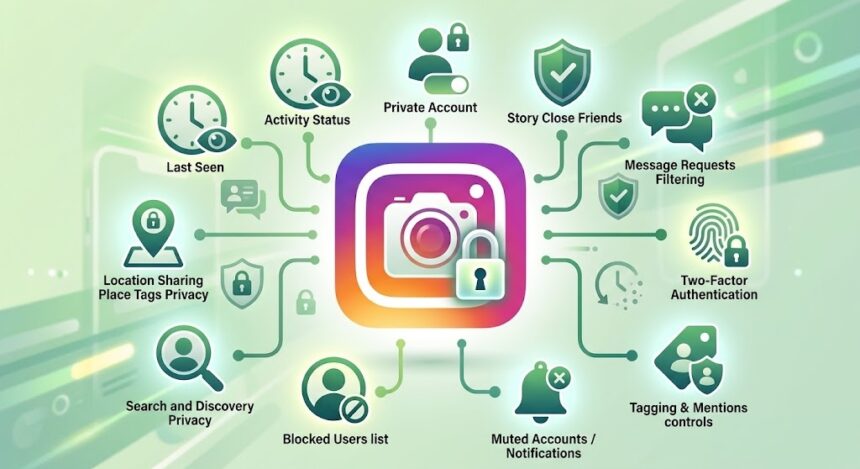
Instagram Privacy Settings: 10 Options You Should Know
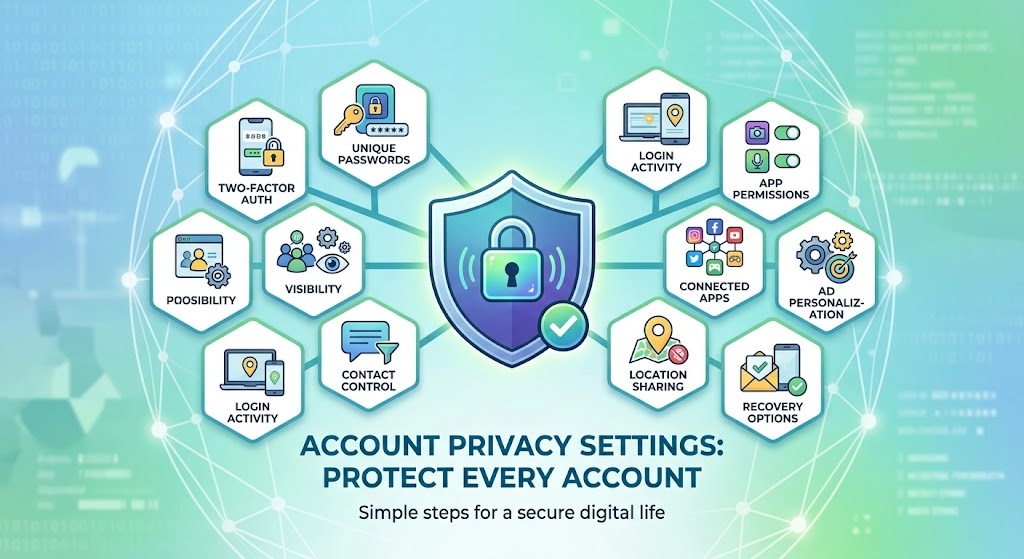
Instagram privacy settings are the controls inside the app that decide who can see your posts, Stories and activity, who can message or tag you, and how secure your account is. The 10 most important options are: a private account, activity status, Story and Close Friends controls, tags and mentions, comment filters, message controls, block/restrict/mute, sensitive content and like counts,…

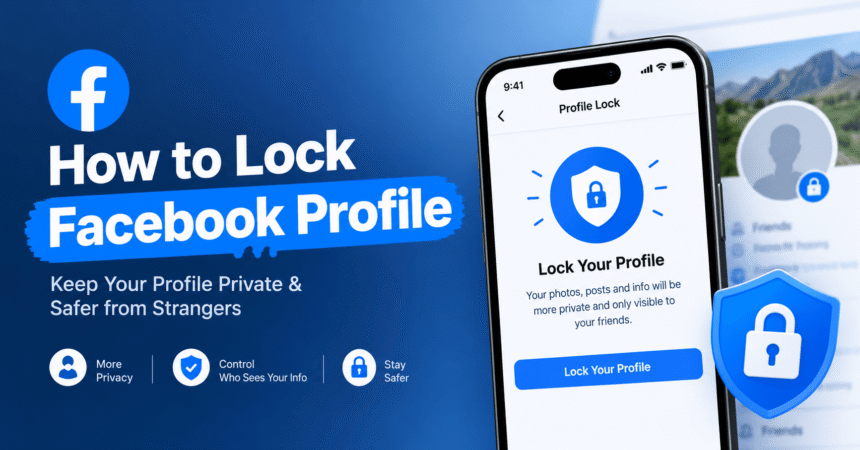
How to Lock Facebook Profile: Steps for Android and iPhone (2026)
How to lock a Facebook profile: open your profile in the Facebook app, tap the three dots, choose Lock profile, then confirm. Learn what locking does, how to unlock it and what to do if the option is missing.
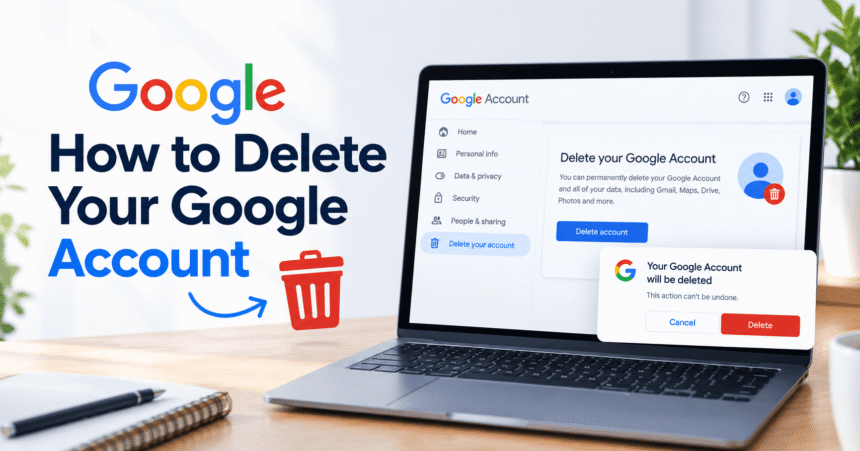
How to Delete a Google Account: Step-by-Step Guide for Phone and Computer (2026)
Learn how to delete a Google account permanently on Android, iPhone and computer, what you lose, how to download your data first, and how to recover an account you deleted by mistake.

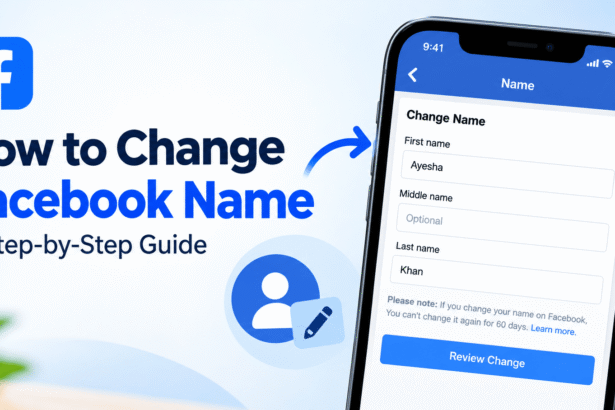
How to Change Facebook Name: iPhone, Android and Computer (2026)
How to change your name on Facebook: open Facebook, go to Settings…

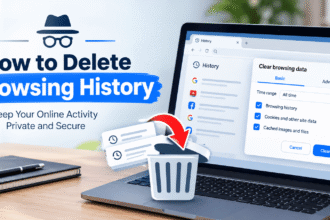
How to Change YouTube Channel Name: Computer, Phone and Handle (2026)
How to change your YouTube channel name: sign in to YouTube Studio on a computer, select Customization from the left menu, open the Profile tab, type your new name in…

How to Block a YouTube Channel: Computer, Phone and YouTube Kids (2026)
How to block a YouTube channel: YouTube does not have one single "block channel" button for viewers, so the closest option is Don't recommend channel. On Home or Watch Next,…
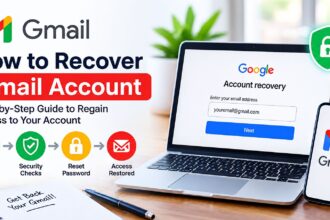
How to Recover Gmail Account: Step-by-Step Guide (2026)
How to recover a Gmail account: go to Google's account recovery page, enter your Gmail address, verify it is you with a code, prompt or past password, then reset your…
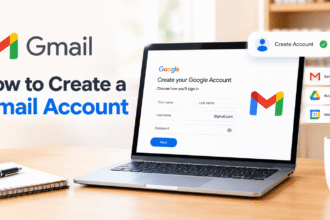
How to Create a Gmail Account: Step-by-Step Guide for Phone and Computer (2026)
Last updated: October 2026 Quick answer: To create a Gmail account, go to the Google account sign-up page, click Create account > For my personal use, enter your name, birthday…
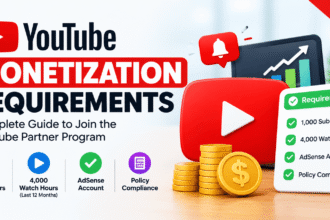
YouTube Monetization Requirements: Subscribers, Watch Hours and 2027 Changes
Last updated: October 2026 Quick answer: To earn ad revenue on YouTube today, your channel needs 1,000 subscribers plus either 4,000 public watch hours in the last 12 months or…


How to Create a YouTube Channel and Upload Your First Video (2026)
Last updated: October 2026 Quick answer: To create a YouTube channel, sign in to YouTube with a Google account, click your profile picture, choose Create a channel, enter your name…

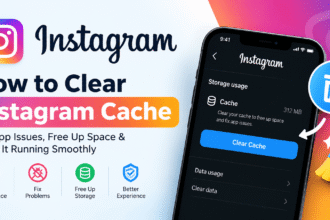
How to Clear Instagram Cache: iPhone, Android and Browser (2026)
How to clear Instagram cache: on Android, open Settings > Apps > Instagram > Storage & cache and tap Clear cache. On iPhone, Instagram has no clear cache button, so…

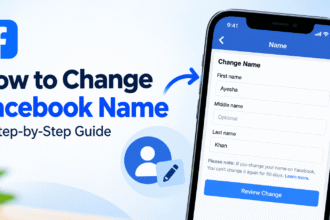
How to Change Facebook Name: iPhone, Android and Computer (2026)
How to change your name on Facebook: open Facebook, go to Settings & privacy > Settings > Accounts Center (called Meta Account on some accounts), tap Profiles, select your Facebook…