
Root vegetables are the underground storage organs people cook as food: true roots such as carrots and beets, plus kitchen neighbors like potatoes and sweet potatoes that are tubers. They supply starch, fiber, potassium, and a range of vitamins at a relatively low cost. They are not a miracle food group. Portions, cooking method, and medical context decide whether a heap of roasted roots is a smart staple or a problem for blood sugar, kidneys, or digestion.
This guide covers common types, how to cook them so they stay palatable, how to store them, and who should be cautious. It is food information, not a personalized meal plan.
Which foods count as root vegetables in the kitchen
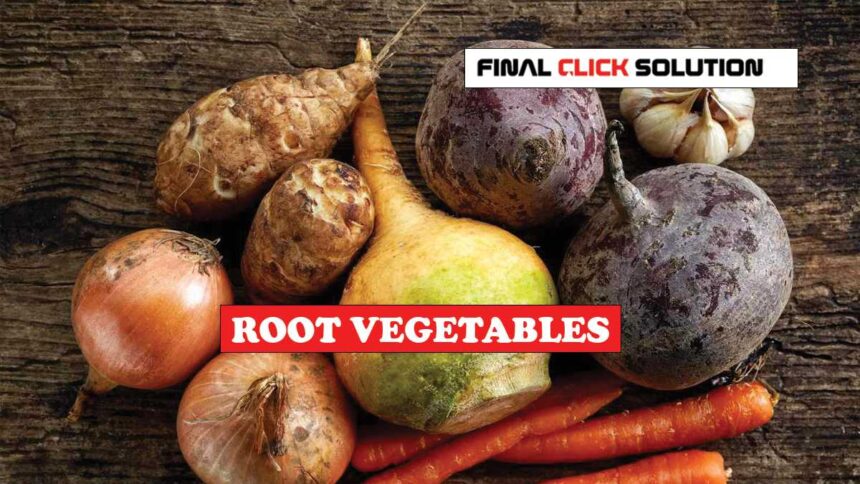
Botanists split taproots, tubers, corms, and rhizomes. Home cooks usually group anything pulled from soil and used like a vegetable. Useful working list:
- Carrots: taproot; beta-carotene; sweet when roasted
- Beets: taproot; betalain pigments; earthy flavor; greens are edible too
- Parsnips: pale taproot; sweet-nutty when browned
- Turnips and rutabagas: peppery to sweet; good in stews
- Radishes and daikon: sharp raw, milder roasted
- Celery root (celeriac): knobby; celery-like aroma in soups and mash
- Potatoes: tubers; versatile starch; skin holds fiber
- Sweet potatoes: storage roots used as tubers in recipes; vitamin A precursor in orange types
- Jicama: crisp, mildly sweet; usually eaten raw
- Ginger and turmeric: rhizomes used as spice more than bulk vegetable
Onions and garlic are bulbs. They often share a roasting pan with roots but are a different plant part. Yuca (cassava) is a starchy root that must be prepared correctly to reduce naturally occurring compounds; follow reliable cooking instructions and do not eat it raw.
Nutrition that actually shows up on the plate
Most roots are high in carbohydrate relative to leafy greens. That is their biological job: store energy for the plant. Fiber content varies. A medium potato with skin and a cup of roasted carrots behave differently from a bowl of mashed russets with the skins discarded.
Carrots and orange sweet potatoes are notable for carotenoids. Beets contribute folate and nitrates that some studies link to modest blood-pressure effects in certain adults; they also stain cutting boards and can redden urine or stool (harmless beeturia for many people, but new blood in stool still needs a clinician). Potatoes provide potassium and vitamin C if not over-boiled into the discard water. Turnips and radishes are lighter in calories per volume and add crunch without much starch.
Cooling cooked potatoes and then reheating them can increase resistant starch slightly. That is a small metabolic detail, not a reason to live on leftover fries. Pair starchy roots with protein, non-starchy vegetables, and a fat source if you want a meal that holds hunger longer.
Hydration and fiber side effects
Roots are not as watery as cucumber, but soups and stews built on them still contribute fluid. If you are increasing fiber quickly—especially from skins and from beets—add water gradually or you may get gas and cramping. People tracking fluid status can compare notes with hydrating foods for energy and dehydration symptoms worth knowing.
Cooking methods that keep texture
Dry heat concentrates sugars. Roast at about 200–220°C (400–425°F) on a single layer with enough oil to coat, not drown. Cut pieces to similar size. Beets take longer than radishes; start dense chunks first or cut them smaller. Crowding the pan steams the vegetables and leaves them gray.
Boiling is fine for mash and soup, but it leaches water-soluble vitamins into the pot. Use that liquid in the soup rather than pouring it away when you can. Steaming keeps more nutrients than a rolling boil. Pan-searing parsnips or carrots after a brief steam gives browned edges without burning the centers.
- Scrub well; peel only if the skin is tough, waxed, or damaged.
- Dry pieces before roasting so they brown.
- Season with salt after a light oil coat; add delicate herbs near the end.
- Taste for doneness with a knife tip—tender, not collapsing.
Raw options include carrot and jicama sticks, grated beet-carrot slaw, and thinly sliced radish on sandwiches. A sharp vinegar slaw sits well next to richer mains; if you want a simple cold side, a cucumber pineapple salad complements roasted roots without more starch.
Soup, mash, and hash without mush
For soup, sauté onion first, add mixed roots, cover with broth, and simmer until just tender. Blend part of the pot if you want body without cream. For mash, combine potato with celeriac or parsnip so the result is less one-note. For breakfast hash, par-cook dense cubes, then crisp them in a skillet with eggs or beans.
Deep-fried versions are still root vegetables nutritionally dominated by oil. Occasional fries are a food choice, not a health strategy. Air-fryer batches use less oil but can still be easy to overeat.
Storage that prevents waste
Most true roots like cool, dark, slightly humid conditions. Remove leafy tops from carrots, beets, and radishes so the greens do not pull moisture from the root. Do not wash until use if you are storing for weeks. Refrigerate in a vented bag in the crisper. Potatoes prefer a dark pantry that is cool but not fridge-cold; very cold storage can sweeten them and worsen frying quality. Keep potatoes away from onions when possible. Sweet potatoes like a bit more warmth than white potatoes and should not sit in a damp fridge drawer for long periods.
Sprouted potatoes with small nubs can be trimmed if the flesh is still firm; discard shriveled, green, or bitter potatoes, and never eat the sprouts or green skin in quantity because of glycoalkaloids. Moldy roots go in the bin. A little surface dirt is normal; sliminess is not.
Who should be cautious
Blood glucose and portion size
Potatoes, sweet potatoes, parsnips, and large servings of other starchy roots raise blood glucose more than non-starchy vegetables. People with diabetes can still eat them. They usually do better with measured portions, intact skins, vinegar or protein on the plate, and fewer ultra-processed potato products. A clinician or dietitian can set targets; internet “never eat white potatoes” rules are not individualized care.
Kidney disease and potassium
Potatoes, sweet potatoes, beets, and some other roots are potassium-rich. Advanced chronic kidney disease or certain medications (including some blood-pressure drugs) may require potassium limits. Leaching potato chunks in water reduces potassium somewhat but also reduces other nutrients. Follow the renal diet you were given rather than a generic blog chart.
Kidney stones and oxalate
Beets, and to a lesser extent some other roots, contain oxalate. People with a history of calcium oxalate stones may be told to moderate high-oxalate foods, drink enough fluid, and not overdo vitamin C megadoses. This is not a reason for everyone to avoid beets. See our guide to kidney stones: causes, symptoms, and prevention for more on oxalate and stone risk.
Digestive conditions
High-FODMAP servings of some roots (large amounts of beet, for example) can trigger symptoms in irritable bowel syndrome. Potato is often better tolerated than onion-heavy stews. If meals leave you cramping or rushing to the bathroom, see the pattern discussion in IBS symptoms, triggers, and relief tips. Coffee on top of a heavy fried-root breakfast is a separate irritant for some people; stomach pain after coffee covers that overlap.
Thyroid, allergies, and special diets
Cassava and large amounts of some raw cruciferous roots get discussed in thyroid forums. Typical cooked food amounts are a different exposure than extreme juicing. Food allergy to carrot (sometimes related to pollen-food syndrome) can cause mouth itching; systemic reactions need urgent care. Infant feeding should follow pediatric guidance—whole hard chunks are a choking risk.
A simple weekly pattern
Use roots as one carbohydrate source among others, not the entire plate. Example rhythm: roasted carrot-parsnip mix with fish twice a week; potato-and-greens soup once; raw jicama or radish for crunch; sweet potato cubes in a bean bowl. Buy what is in season locally. Frozen plain sweet potato or mixed roast vegetables are acceptable when fresh quality is poor.
Seasoning can stay simple: olive oil, salt, pepper, garlic, rosemary, cumin, or paprika. Sweet glazes pile on sugar. Butter is fine in modest amounts for mash if it fits the rest of the day’s pattern.
Shopping without getting lost in “superfood” labels
Rainbow carrots are visually fun and offer slightly different pigment mixes; they are not required for a healthy pattern. Organic versus conventional is a budget and pesticide-preference choice, not a guarantee of higher vitamin content. Avoid roots that are rubbery, leaking, or heavily green. A five-pound bag of carrots that you actually cook beats a trendy imported root that spoils in the drawer.
If a product is a “root vegetable chip” with multiple oils and flavor powders, read it as a snack food. The marketing photo of a farm does not change the nutrition facts panel.
Questions cooks actually ask
Are potatoes still “healthy” if they are white?
Plain potatoes with skin can fit many eating patterns. Preparation and portion matter more than color. French fries and chips are a different food.
Do I need to peel carrots and potatoes?
Not always. Scrub well. Peel if waxed, damaged, or if texture bothers you. Peels add fiber.
Can people with diabetes eat sweet potatoes freely because they are “better carbs”?
No. Sweet potatoes still raise glucose. They can be included with planned portions, not unlimited bowls.
Why did my urine turn pink after beets?
Beet pigments can color urine or stool. If you did not eat beets or the color looks like blood, contact a clinician.
Related reading
- Why your stomach may hurt after coffee
- IBS symptoms and relief tips
- Dehydration symptoms
- Top hydrating foods
- Cucumber salad with vinegar
Medical disclaimer
This root vegetable guide is general nutrition education, not medical or dietetic advice. People with kidney disease, diabetes, stone history, food allergy, or specialized diets should follow clinician guidance. Seek urgent care for allergic reactions, choking, or severe abdominal symptoms.