
An anti-inflammatory foods list is a practical shopping map, not a miracle cure. Chronic inflammation is complex—linked to joint pain, metabolic stress, and lifestyle factors—but diet can support a calmer baseline when paired with sleep, movement, and medical care. This guide covers foods that fight inflammation, how to build an anti-inflammatory diet plan, and what an anti-inflammatory diet for joint pain can realistically do.
General nutrition education only. Autoimmune disease, gout, and inflammatory bowel disease need clinician-guided plans. Food does not replace prescribed medicines.
Quick answer: what belongs on an anti-inflammatory foods list?
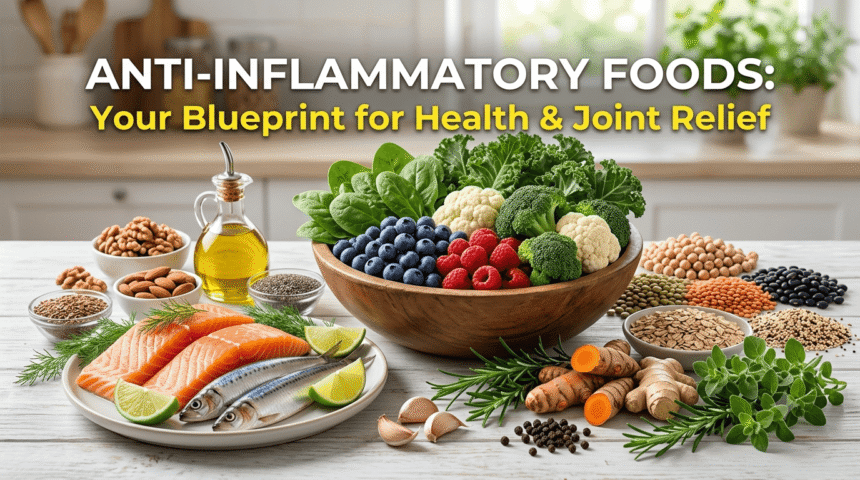
Core patterns include colorful vegetables and fruit, fatty fish, olive oil, nuts, seeds, legumes, herbs, spices such as turmeric and ginger, and fermented foods when tolerated. Limit ultra-processed snacks, sugary drinks, excess alcohol, and frequent fried foods. Consistency beats a single “superfood.”
How diet relates to inflammation
Inflammation is a normal immune response. Problems arise when low-grade inflammation stays elevated. Dietary patterns rich in fiber, polyphenols, and omega-3 fats are associated with better inflammatory markers in many studies. An anti-inflammatory approach looks a lot like a Mediterranean-style plate: plants first, quality fats, modest animal protein, fewer refined sugars.
Weight loss—when medically appropriate—also lowers inflammatory signaling for many people. Protein-forward meals that support a calorie deficit appear in our guide to high protein foods for weight loss.
Anti-inflammatory foods list (shop by category)
Vegetables and fruit
- Leafy greens: spinach, kale, Swiss chard
- Crucifers: broccoli, cauliflower, Brussels sprouts (cook thoroughly if gas is an issue)
- Berries: blueberries, strawberries, blackberries
- Tomato, bell peppers, carrots, beets
- Citrus and kiwi for vitamin C—watch reflux triggers if sensitive
- Avocado for fiber and monounsaturated fat
Seafood and omega-3 sources
- Salmon, sardines, mackerel, herring
- Trout and anchovies when available
- Plant ALA sources: walnuts, flaxseed, chia (conversion to EPA/DHA is limited)
Oils, nuts, and seeds
- Extra virgin olive oil as the default cooking and dressing fat
- Almonds, walnuts, pistachios in measured portions
- Pumpkin and sunflower seeds
Learn olive oil grades in our EVOO guide if you want label clarity.
Legumes and whole grains
- Lentils, chickpeas, black beans, edamame
- Oats, barley, quinoa, brown rice (portions based on goals)
Herbs, spices, and beverages
- Turmeric with black pepper in food (not megadose pills without advice)
- Ginger, garlic, rosemary, oregano
- Green tea or matcha in moderate amounts—see what is inside matcha
- Water and unsweetened herbal tea over sugary drinks
Fermented and cultured foods (if tolerated)
- Yogurt with live cultures, kefir, sauerkraut, kimchi
- Start small if bloating is common—see best foods for gut health
Foods that fight inflammation vs foods that fuel it
Foods that fight inflammation tend to be minimally processed plants, fish, and unsaturated fats. Foods more often linked with higher inflammatory patterns include:
- Sugar-sweetened beverages and desserts as daily habits
- Frequent deep-fried foods and industrial trans fats (where still present)
- Processed meats in large amounts
- Excess alcohol
- Ultra-processed snack patterns low in fiber
You do not need perfection. Swapping soda for water and fried takeout for a salmon-and-vegetable plate a few nights a week already moves the pattern.
Anti-inflammatory diet plan: a simple weekly framework
Use this anti-inflammatory diet plan as a template, not a rigid protocol:
- Breakfast: Oats or Greek yogurt with berries and ground flax
- Lunch: Large salad with beans or leftover fish, olive oil, and vegetables
- Dinner: Fatty fish or lentils, two vegetables, optional whole grain
- Snacks: Fruit, handful of nuts, or carrot sticks with hummus
- Flavor: Herbs, citrus, vinegar, spices instead of heavy sauces
Batch-cook lentils and roast vegetables on weekends. Keep frozen berries and frozen fish for busy nights. Mediterranean-leaning menus, including regional patterns like the Valencia diet overview, share many of the same building blocks.
Hydration supports overall comfort—review hydrating foods and dehydration symptoms if you mostly drink coffee.
Anti-inflammatory diet for joint pain: realistic expectations
An anti-inflammatory diet for joint pain may reduce symptom load for some people with osteoarthritis or inflammatory arthritis when combined with medical therapy, physical therapy, and healthy weight. It is not a substitute for disease-modifying drugs when those are prescribed.
Practical joint-friendly tips:
- Prioritize omega-3-rich fish two or more times weekly if you eat seafood
- Keep excess body weight down to reduce joint load
- Stay consistent for weeks, not days, before judging results
- Track which foods personally worsen symptoms (nightshades bother some people; evidence is mixed—do not eliminate entire groups forever without guidance)
- Support movement with clinician-approved exercise rather than bed rest alone
Therapeutic movement differs from random workouts—see therapeutic exercise for context if joint rehab is part of your care.
Special notes for IBS and sensitive guts
High-fiber anti-inflammatory foods can temporarily increase gas. Increase portions gradually. If IBS is active, a temporary low FODMAP diet guide under dietitian supervision may come first, then you reintroduce plants strategically. Bloating tips: bloating causes and relief.
Supplements: food first
Fish oil, curcumin, and other supplements are marketed heavily. Food patterns remain the foundation. Discuss supplements with a clinician or pharmacist—especially if you take blood thinners or have gallbladder disease.
Sample day on an anti-inflammatory pattern
- Morning: Oatmeal cooked in water or milk of choice, topped with blueberries, walnuts, and cinnamon; green tea or coffee if tolerated
- Midday: Large salad with chickpeas or leftover salmon, mixed greens, tomato, cucumber, olive oil, and lemon
- Snack: Apple with a small handful of almonds, or carrot sticks with hummus
- Evening: Baked trout or lentil stew, roasted broccoli and carrots, quinoa or potato as needed
- Flavor finish: Fresh herbs, garlic if tolerated, black pepper, and a drizzle of extra virgin olive oil
This sample is a template. Swap fish for tofu, berries for seasonal fruit, and broccoli for zucchini based on budget and digestion. People using time-restricted eating can fit the same foods into a window—see intermittent fasting for beginners.
Cooking methods that keep benefits
Steaming, roasting, sautéing in olive oil, and raw salads all fit. Deep frying and repeated reuse of oils add oxidation products you do not need. Charred barbecued meats every night are not required for “protein goals” when beans, fish, and poultry work. Batch-roast two sheet pans of vegetables so weekday dinners stay plant-forward without extra decision fatigue.
Frozen vegetables and fruit count. Canned fish packed in water or olive oil counts. The anti-inflammatory foods list is about frequency and pattern, not whether every ingredient is farmers-market perfect.
Inflammation, weight, and protein
Carrying excess adipose tissue, especially centrally, is itself linked with higher inflammatory signaling for many adults. If fat loss is a clinical goal, combine the food list with adequate protein and resistance training rather than crash juice cleanses. Practical protein guidance lives in high protein foods for weight loss. Crash diets that slash protein often cost muscle and rebound hunger.
Gut link: fiber without fear
Polyphenol-rich plants and fiber feed microbes that produce short-chain fatty acids associated with gut barrier support. If gas spikes, reduce portion size rather than deleting vegetables forever. Build toward diversity using ideas from best foods for gut health. Sauerkraut or yogurt can sit beside turmeric rice—fermented foods are optional teammates, not mandatory daily shots of brine.
What to tell your clinician
- Which joints or symptoms you hope diet will influence
- Current medicines and supplements
- Any history of kidney stones, gout, or GI disease that changes produce choices
- Whether you have already tried elimination diets
Bring a three-day food record. It is more useful than saying “I eat healthy.”
Alcohol, ultra-processed food, and honest tradeoffs
An anti-inflammatory foods list loses power if nightly cocktails and packaged desserts dominate weekends. You do not need zero treats. You do need a default week that looks like plants, fish or legumes, and olive oil more often than not. When social events pile up, protect breakfast and lunch quality so dinner can be flexible without the whole day collapsing into fried food and soda.
Sugar-sweetened drinks are one of the easiest cuts with outsized payoff. Replacing them with water, sparkling water, or unsweetened tea reduces a frequent inflammatory dietary pattern without requiring a complicated recipe.
Frequently asked questions
What should be on an anti-inflammatory foods list?
Vegetables, fruit, fatty fish, olive oil, nuts, seeds, legumes, herbs, spices, and fermented foods when tolerated. Limit sugary drinks, frequent fried foods, and ultra-processed snacks.
How do I start an anti-inflammatory diet plan?
Build most meals around plants and olive oil, add fish or legumes for protein, cut sugary drinks, and cook more at home. Change a few meals each week rather than overhauling everything overnight.
Which foods that fight inflammation are easiest to buy?
Frozen berries, canned salmon or sardines, oats, beans, olive oil, leafy greens, and frozen vegetables are affordable and practical.
Can an anti-inflammatory diet for joint pain replace medication?
No. Diet can support joint comfort and overall health but should sit beside, not instead of, clinician-directed treatment.
Related reading
- Best foods for gut health
- High protein foods for weight loss
- Intermittent fasting for beginners
- Hydrating foods
- Low FODMAP diet guide
Disclaimer
This anti-inflammatory foods list is educational. It is not medical advice, arthritis treatment, or a substitute for prescribed therapy. Work with a qualified clinician or dietitian for personalized plans.