
Looking for the best foods for gut health usually means wanting less bloating, more regularity, and a happier microbiome. No single food “heals” the gut. Patterns matter: fiber diversity, fermented foods when tolerated, steady hydration, and knowing the difference between prebiotic vs probiotic foods. This guide includes a practical probiotic foods list, fermented foods benefits, and when to get clinical help.
Educational content only—not a diagnosis for IBS, IBD, SIBO, or infections. Persistent blood in stool, weight loss, fever, or severe pain needs medical care.
Quick answer: what are the best foods for gut health?
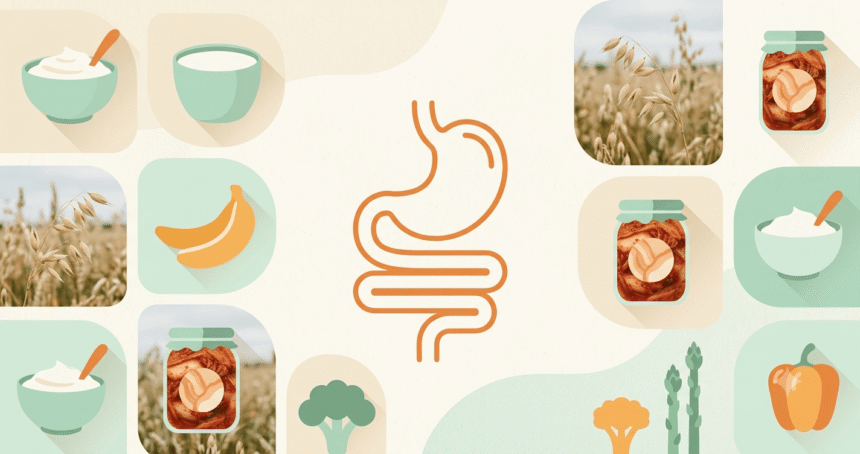
Top everyday choices include yogurt or kefir with live cultures, fermented vegetables, beans and lentils (built up slowly), oats, bananas, onions and garlic if tolerated, berries, leafy greens, nuts, seeds, and plenty of water. Diversity of plants across the week often beats obsessing over one probiotic product.
Prebiotic vs probiotic foods
Probiotic foods contain live beneficial microbes (when properly prepared and stored).
Prebiotic foods contain fibers and compounds that feed those microbes.
You need both concepts for a resilient gut ecosystem. Probiotics without fiber are like planting seeds on bare concrete. Fiber without tolerance can cause gas—increase slowly.
Prebiotic-rich examples
- Onions, garlic, leeks (high FODMAP—problem for some IBS patients)
- Asparagus, Jerusalem artichoke
- Oats, barley, slightly green bananas
- Apples, chicory root (inulin), legumes
Probiotic foods list
- Plain yogurt with “live and active cultures”
- Kefir
- Sauerkraut and kimchi (unpasteurized when possible)
- Miso and tempeh
- Some traditionally fermented pickles (not all jarred pickles are fermented)
- Kombucha (watch sugar; start small)
Supplements are optional extras, not required if food sources fit your diet. Quality varies widely.
Fermented foods benefits
Studied and commonly reported fermented foods benefits include supporting microbiome diversity, providing organic acids and bioactive compounds, and helping some people with lactose digestion when yogurt cultures break down lactose. Benefits are strain- and product-specific. Fermented foods are not sterile medicines and can be high in sodium.
People with histamine intolerance or severe immunosuppression may need clinician advice before large amounts of fermented foods.
Best foods for gut health by goal
For regularity
- Oats, chia, ground flax, kiwi, pears (if tolerated)
- Adequate fluids—fiber without water can worsen constipation
- Movement after meals
For bloating control
- Slower eating, smaller portions of gas-forming foods
- Cooked vegetables before raw piles if raw salads trigger you
- See bloating causes and relief
For IBS overlap
- Short-term structured diets such as low FODMAP under a dietitian—read the low FODMAP diet guide
- Background on symptoms: IBS symptoms and triggers
For reflux-prone guts
- Avoid huge late meals and known triggers
- Guide: acid reflux symptoms and remedies
A weekly gut-friendly plate pattern
- Include a fermented food most days if tolerated (even 2 tablespoons of sauerkraut).
- Aim for 20–30 different plant foods across the week—herbs count.
- Pair protein with fiber at meals for steadier energy—see high protein foods.
- Use olive oil and colorful produce from an anti-inflammatory foods list.
- Stay hydrated with water-rich foods from the hydrating foods guide.
Light meals like a cucumber pineapple salad can fit when portions and dressing stay simple.
Foods that stress the gut for many people
- Sugar alcohols in “sugar-free” gum and sweets
- Excess alcohol
- Very large fatty meals
- Frequent ultra-processed snacks low in fiber
- Sudden huge fiber jumps from supplements
Coffee is fine for many guts and irritating for others—context in coffee and stomach pain.
Lifestyle factors that matter as much as food
- Sleep: short sleep worsens appetite and gut sensitivity
- Stress: the gut-brain axis is real—see mental health tips
- Antibiotics: use only when needed; rebuild with food diversity afterward
- Movement: walking supports motility
Intermittent fasting can help or hurt digestion depending on refeed size—see intermittent fasting for beginners.
When food is not enough
Seek care for unintentional weight loss, anemia, nighttime diarrhea, blood in stool, fever, family history of colon cancer with new symptoms, or symptoms that disrupt work despite reasonable diet changes. Do not self-diagnose SIBO from online breath-test kits alone.
How to build a probiotic foods list into real meals
A probiotic foods list only helps if it shows up on your plate. Practical swaps:
- Replace sugary yogurt with plain Greek yogurt and add fruit yourself
- Use a spoon of sauerkraut beside eggs or grain bowls
- Stir miso into warm (not boiling) broth at the end of cooking
- Choose tempeh stir-fries a few nights a week
- Try kefir in smoothies if yogurt texture bothers you
Start with one fermented food daily for a week. Jumping to large kimchi portions plus three kombuchas can create bloating that people wrongly blame on “all probiotics forever.”
Fiber targets without the math spiral
Many adults benefit from gradually moving toward roughly 25–38 g of fiber daily, depending on sex and guidelines used. You do not need an app on day one. Add one high-fiber food per meal: oats at breakfast, beans at lunch, vegetables at dinner. Drink water as fiber rises. Soluble fiber (oats, chia, psyllium if advised) can soften stool for some; insoluble fiber (skins, bran) adds bulk. Both have roles.
If constipation is the main complaint, kiwi, prunes (if tolerated), ground flax, and walking often help before expensive cleanses. If diarrhea dominates, sudden inulin supplements and sugar-free gum are common aggravators.
Prebiotic vs probiotic foods in an IBS context
Understanding prebiotic vs probiotic foods matters most when IBS is active. Classic prebiotics like onion, garlic, and large serves of beans are high FODMAP and may worsen symptoms even though they feed microbes. In that case, temporary reduction followed by guided reintroduction—covered in the low FODMAP diet guide—beats forcing “gut health” foods that leave you doubled over.
After symptoms settle, widen plant diversity again. Long-term ultra-low-fiber diets are not the microbiome goal.
Shopping and storage tips that protect fermented foods benefits
- Buy refrigerated sauerkraut or kimchi when you want live cultures; shelf-stable jars may be pasteurized
- Check yogurt labels for live cultures and minimal added sugar
- Keep kefir cold and note the date; separation can be normal—shake if the brand advises
- Do not boil yogurt or kefir if your goal is live microbes
- Watch sodium if you eat fermented vegetables in large amounts and have blood-pressure limits
Homemade fermentation is rewarding and also a food-safety project. Use tested recipes, clean equipment, and discard batches with mold or off smells you cannot explain.
A two-week gut reset that is not a cleanse
- Week 1: Remove sugar-sweetened drinks and ultra-processed snacks most days; add one fermented food; walk 10 minutes after meals.
- Week 2: Add a second plant food variety each day (new herb, new fruit, new bean); keep sleep and caffeine timing steadier; journal symptoms.
This is behavior change, not a detox. Your liver already detoxifies; it needs medical care when diseased, not charcoal lemonade.
Polyphenols and colorful plants
Beyond classic probiotic and prebiotic categories, deeply colored plants deliver polyphenols that interact with gut microbes. Berries, cocoa (unsweetened or lightly sweetened), green tea, herbs, and extra virgin olive oil show up repeatedly in research on diet quality. They complement—not replace—fiber and fermented foods. A practical habit is “add color” at every meal: herbs on eggs, berries on yogurt, greens beside rice, tomato with fish.
If raw salads trigger symptoms, cook vegetables softly and still keep variety. Tolerance often improves as overall diet and stress settle.
Antibiotics, travel, and recovery eating
After necessary antibiotics, focus on food diversity and fermented foods if tolerated rather than megadose unverified supplements. During travel, prioritize safe water, familiar proteins, and one fermented option you trust rather than sampling every street ferment. Food poisoning recovery needs hydration and gradual refeeding—review dehydration symptoms if illness drained fluids.
Frequently asked questions
What are the best foods for gut health day to day?
Yogurt or kefir, fermented vegetables if tolerated, oats, legumes built up slowly, fruit, vegetables, nuts, seeds, and water. Plant diversity across the week is a strong target.
What is the difference between prebiotic vs probiotic foods?
Probiotic foods contain live microbes. Prebiotic foods contain fibers that feed microbes. Most people benefit from including both ideas in the diet.
Can you share a simple probiotic foods list?
Yogurt with live cultures, kefir, sauerkraut, kimchi, miso, tempeh, and some fermented pickles. Check labels for live cultures and watch sodium.
What are fermented foods benefits?
They can support microbiome diversity and provide unique compounds from fermentation. They are not cure-alls, and tolerance varies.
Related reading
Kefir benefits: the complete guide · Probiotics vs prebiotics vs postbiotics explained · SIBO: symptoms, causes, and treatment
- Low FODMAP diet guide
- IBS symptoms and triggers
- Bloating causes and relief
- Anti-inflammatory foods list
- Hydrating foods
Disclaimer
This article on the best foods for gut health is general education, not medical advice or a treatment plan for digestive disease. Consult a clinician or registered dietitian for personalized care.