

The gut health supplement aisle is crowded — probiotics, digestive enzymes, L-glutamine, magnesium, fiber powders, and more, all marketed as essential for a “healthy gut.” This gut health supplements guide breaks down what’s actually backed by research, who each supplement may help, and where food alone is usually enough.
This is educational content, not personalized medical advice. Supplement needs vary widely by individual, and several of the supplements below can interact with medications or existing conditions — check with a healthcare provider before starting anything new.
Do you actually need gut health supplements?
For most healthy people without a diagnosed digestive condition, a fiber-rich, varied diet with some fermented foods covers the basics of gut support without supplementation. Supplements tend to make the biggest difference in specific situations: after antibiotic use, during a diagnosed condition like IBS or SIBO, when whole-food intake consistently falls short, or when targeting a specific symptom like bloating or irregularity that hasn’t improved with diet and lifestyle changes alone.
Probiotics
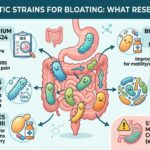
Probiotics are live beneficial bacteria, and their effects are strain-specific — meaning the exact strain matters more than the general category. Certain strains have research support for IBS symptoms and bloating, others for supporting gut recovery after antibiotics, and others show little consistent benefit. For a full breakdown of which strains are backed by research for specific symptoms, see our guide to best probiotic strains for bloating, and our broader explainer on probiotics vs prebiotics vs postbiotics.
Digestive enzymes
Digestive enzyme supplements (containing compounds like amylase, protease, and lipase) support the breakdown of carbohydrates, proteins, and fats. They’re most clearly supported by evidence in specific diagnosed situations — such as pancreatic insufficiency or documented lactose intolerance (lactase supplements) — rather than as a general digestive booster for healthy people. Taking enzymes without a specific enzyme deficiency generally hasn’t shown consistent benefit in research.
L-Glutamine
L-glutamine is an amino acid that serves as a primary fuel source for the cells lining the intestine. It’s often marketed for “gut lining repair” and leaky gut protocols. Some research supports a role for glutamine in specific clinical settings, such as recovery after intestinal surgery or in critically ill patients, but evidence for general gut health benefits in otherwise healthy people is limited. See our full evidence review in the leaky gut syndrome guide for more context on this supplement category specifically.
Magnesium
Magnesium citrate and magnesium oxide draw water into the intestines, which can soften stool and support regularity — this is one of the better-supported supplement uses for digestive symptoms, specifically constipation. Other forms, like magnesium glycinate, are less likely to have this laxative effect and are used more for general magnesium repletion. See our guide to constipation relief and natural remedies for more on using magnesium appropriately.
Psyllium husk and fiber supplements
Psyllium husk is one of the most consistently researched fiber supplements, with solid evidence for improving stool consistency in both constipation and diarrhea-predominant conditions. It’s a reasonable option when whole-food fiber intake isn’t enough. For food-first options, see our guide to best fiber foods for digestion.
Peppermint oil (enteric-coated)
Enteric-coated peppermint oil capsules have reasonable clinical research behind them for IBS-related bloating, cramping, and abdominal pain. The enteric coating matters — it allows the oil to reach the intestines before releasing, rather than causing reflux by releasing in the stomach.
Betaine HCl
Betaine hydrochloride supplements aim to increase stomach acid, marketed toward people who suspect low stomach acid is behind their bloating or reflux. Evidence for this supplement in the general population is weak, and taking it without a confirmed low-acid condition can cause irritation or worsen symptoms in some people. This is one to discuss with a healthcare provider rather than self-prescribe, particularly since reflux symptoms can have several different underlying causes — see our acid reflux symptoms and remedies guide for a broader picture.
Ginger supplements
Ginger has reasonable evidence supporting its use for nausea and may modestly speed stomach emptying, which can help with feelings of fullness and sluggish digestion. Most of the supporting research uses doses achievable through concentrated ginger supplements or strong ginger tea rather than small culinary amounts.
Zinc carnosine
Zinc carnosine has been studied for supporting the stomach lining, particularly in the context of gastritis and ulcer healing in combination with standard treatment. It’s a more niche supplement with a narrower, condition-specific evidence base rather than general-purpose gut support.
How to evaluate a gut health supplement before buying
- Look for a specific, named strain or form — not vague terms like “proprietary blend”
- Match the supplement to your actual symptom — constipation, bloating, reflux, and diarrhea often call for different supplements, not one general “gut health” product
- Be skeptical of supplements claiming to fix many unrelated symptoms at once — this is a common marketing pattern with weak evidence behind it
- Check for third-party testing where available, since supplement quality control varies significantly between brands
- Give it a fair, time-limited trial (often 4-8 weeks) rather than switching products every week
Supplements with weak evidence for general gut health
Several popular “gut health” supplements — including many collagen powders marketed for gut lining repair, activated charcoal for bloating, and many multi-ingredient “detox” gut blends — lack strong clinical evidence for the specific digestive claims made on their labels. This doesn’t necessarily mean they’re harmful, but it’s worth being realistic about what’s supported by research versus what’s supported mainly by marketing.
When to talk to a doctor before supplementing
- You take prescription medications, since several gut supplements can interact with them
- You have a diagnosed digestive condition like IBS, IBD, or SIBO
- You’re pregnant or breastfeeding
- You have kidney disease (relevant for magnesium supplementation specifically)
- Symptoms persist or worsen after starting a supplement
Frequently asked questions
What is the single best gut health supplement?
There isn’t one universal best option — it depends on your specific symptom. Psyllium husk and magnesium citrate have solid evidence for constipation, enteric-coated peppermint oil for IBS-related bloating and cramping, and specific probiotic strains for bloating tied to IBS.
Are gut health supplements necessary if I eat well?
For most healthy people with a varied, fiber-rich diet, supplements aren’t strictly necessary. They’re more useful for addressing a specific symptom, diagnosed condition, or dietary gap.
Can gut supplements interact with medications?
Yes. Fiber supplements can affect medication absorption timing, magnesium can interact with certain antibiotics and heart medications, and some supplements aren’t appropriate for people with kidney issues. Always check with a healthcare provider or pharmacist.
How long should I try a supplement before deciding it doesn’t work?
Most gut-related supplements are evaluated over 4 to 8 weeks in clinical research. A shorter trial may not be long enough to see a genuine effect.
Related reading
- Best Probiotic Strains for Bloating
- Probiotics vs Prebiotics vs Postbiotics
- Best Fiber Foods for Digestion
- Constipation Relief: Causes, Natural Remedies
- Leaky Gut Syndrome: Causes, Symptoms, and Evidence
Disclaimer
This gut health supplements guide is for general education. It is not medical advice. Consult a qualified healthcare provider or pharmacist before starting any new supplement, especially if you take medications or have an existing health condition.
]]>