

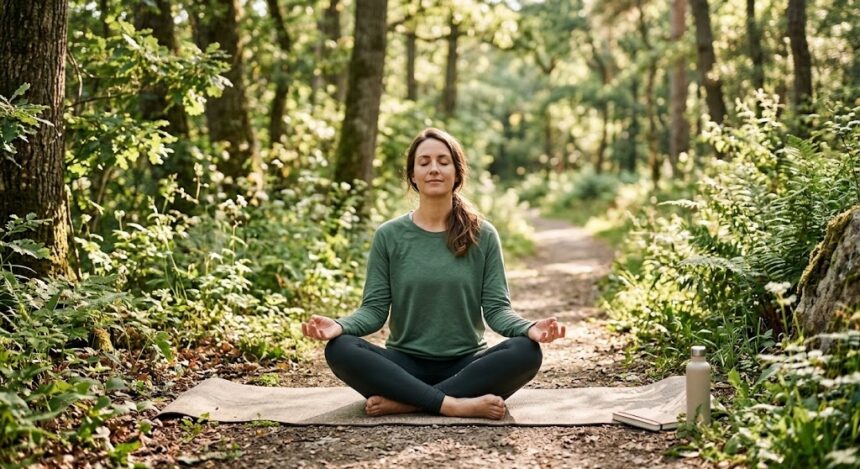
Effective stress management techniques include regular physical activity, deep breathing and progressive muscle relaxation, adequate sleep, structured time management, mindfulness or meditation practice, and maintaining social connection — with research showing consistent, moderate use of several of these techniques together tends to reduce measurable stress markers more effectively than intensely pursuing any single method. Chronic, unmanaged stress is linked to a wide range of physical and mental health effects, including digestive issues, weakened immune function, and increased risk of cardiovascular disease, making stress management a meaningful health priority rather than just a comfort measure.
This guide covers the most evidence-supported stress management techniques, how quickly they typically help, and how to build a realistic, sustainable stress-management routine.
Why Managing Stress Matters for Health
Stress triggers the release of cortisol and adrenaline, hormones that prepare the body for a short-term challenge (the “fight or flight” response). This response is useful for acute, brief stressors, but when stress becomes chronic, sustained elevated cortisol is associated with digestive symptoms, including a well-documented gut-brain connection where stress worsens conditions like IBS, impaired immune function, making illness and infection more likely, disrupted sleep, which itself worsens stress in a feedback loop, and increased risk over time of high blood pressure and cardiovascular disease. This is why stress management isn’t just about feeling calmer in the moment — it has measurable downstream effects on physical health.
Evidence-Based Stress Management Techniques
Regular Physical Activity
Exercise is one of the most consistently supported stress-reduction strategies, working through multiple mechanisms including reducing circulating stress hormones, releasing endorphins, and improving sleep quality. Even moderate activity, like a 20-30 minute walk, shows measurable stress-reducing effects, and consistency matters more than intensity for this particular benefit.
Deep Breathing Exercises
Slow, deliberate breathing (such as inhaling for 4 counts, holding for 4, exhaling for 6-8) activates the parasympathetic nervous system, which counteracts the stress response and can produce a noticeable calming effect within minutes. This makes it one of the fastest-acting techniques for acute stress in the moment.
Progressive Muscle Relaxation
This technique involves systematically tensing and then releasing muscle groups throughout the body, which helps release physical tension that often accompanies stress and can improve both immediate relaxation and sleep quality when practiced regularly.
Mindfulness and Meditation
Regular mindfulness practice, even in short daily sessions of 10-15 minutes, is associated in research with reduced cortisol levels, improved emotional regulation, and lower reported stress over weeks of consistent practice. Unlike some other techniques, meditation’s benefits tend to build cumulatively with regular practice rather than providing dramatic single-session relief.
Adequate Sleep
Sleep and stress have a bidirectional relationship — stress disrupts sleep, and poor sleep amplifies the body’s stress response the following day. Prioritizing consistent, adequate sleep (generally 7-9 hours for most adults) is one of the more foundational stress-management strategies, since it affects the body’s baseline resilience to stress.
Social Connection
Talking with supportive friends, family, or a therapist provides both emotional processing and, in some research, measurable reductions in physiological stress markers; social isolation, conversely, is associated with worse stress outcomes and slower recovery from stressful events.
Time Management and Boundary-Setting
Chronic stress often stems from feeling overwhelmed by competing demands; structured time management, realistic prioritization, and setting boundaries around work or commitments address the practical source of stress rather than only managing its physical symptoms.
Journaling
Writing about stressful experiences or maintaining a regular journaling practice has research support for reducing rumination and providing emotional processing, particularly for stress related to specific ongoing situations rather than diffuse, generalized stress.
Acute vs. Chronic Stress: Different Techniques for Different Situations
Not all stress calls for the same response, and matching the technique to the type of stress you’re facing makes management more effective. Acute stress — a sudden deadline, a difficult conversation, a near-miss on the road — responds best to fast-acting techniques like deep breathing, brief physical movement, or stepping away from the situation for a few minutes, since the goal is calming an active physiological stress response quickly. Chronic stress — ongoing work pressure, a difficult life circumstance, financial strain — responds better to longer-term strategies like consistent exercise, regular sleep, social support, and addressing the underlying source where possible, since a five-minute breathing exercise alone won’t resolve stress that’s structurally embedded in daily life. Recognizing which type of stress you’re dealing with helps avoid the common mistake of expecting a quick relaxation technique to fix a fundamentally ongoing, structural stressor.
How Quickly Do Stress Management Techniques Work?
This varies significantly by technique. Deep breathing and progressive muscle relaxation can provide noticeable relief within minutes, making them useful for acute, in-the-moment stress. Exercise typically shows same-day mood and stress benefits, with cumulative effects building over weeks of consistency. Mindfulness and meditation generally show modest benefits within a couple of weeks of regular practice, with more substantial effects developing over 8 or more weeks of consistent use, similar to the timeline seen in structured mindfulness-based stress reduction programs. Sleep and social connection improvements tend to work more gradually, improving overall stress resilience over time rather than providing immediate relief for an acute stressful moment.
Building a Realistic Stress Management Routine
- Start with one or two techniques rather than attempting a complete lifestyle overhaul, since sustainable habits build gradually
- Pair a fast-acting technique (breathing exercises) for acute stress with a slower-building one (regular exercise or meditation) for overall resilience
- Identify your specific stress triggers where possible, since targeted strategies (like time management for work overwhelm) are often more effective than generic relaxation alone
- Track what actually helps you personally, since individual response to different techniques varies considerably
- Build in recovery time proactively rather than only reacting to stress once it’s already significant
- Reassess periodically, since the techniques that help most can shift depending on what’s currently driving your stress (acute vs. chronic, work vs. personal)
When Does Stress Become a Medical Concern?
While everyday stress management techniques help with normal life stressors, it’s worth seeking professional support if stress is persistent and overwhelming despite consistent self-management efforts, physical symptoms are significant, including chest pain, severe headaches, or digestive symptoms that don’t improve, stress is affecting sleep, relationships, or work function substantially, you notice signs of anxiety or depression alongside stress, such as persistent low mood, excessive worry, or loss of interest in activities, or you’re using unhealthy coping mechanisms, like excessive alcohol use, to manage stress.
Frequently Asked Questions
What is the fastest way to reduce stress in the moment?
Deep, slow breathing exercises tend to provide the fastest relief for acute stress, often producing a noticeable calming effect within a few minutes by activating the body’s parasympathetic nervous system.
Does exercise really help with stress?
Yes, exercise is one of the most well-supported stress-reduction strategies, working by reducing stress hormones, releasing endorphins, and improving sleep quality, with even moderate activity like walking showing measurable benefits.
How long does it take for meditation to reduce stress?
Some people notice modest benefits within one to two weeks of consistent daily practice, but research on structured mindfulness programs generally shows more substantial stress reduction after about 8 weeks of regular practice.
Can chronic stress cause physical health problems?
Yes, chronic, unmanaged stress is linked to digestive issues, weakened immune function, disrupted sleep, and increased long-term risk of high blood pressure and cardiovascular disease, making stress management relevant to physical as well as mental health.
Is it normal to need more than one stress management technique?
Yes, combining a few different techniques — for example, a fast-acting one like breathing exercises alongside a longer-term one like regular exercise or better sleep habits — is generally more effective than relying on a single method alone.
When should I see a therapist instead of just managing stress on my own?
If stress is persistent and overwhelming despite consistent self-management, is significantly affecting daily function, sleep, or relationships, or is accompanied by signs of anxiety or depression, professional support from a therapist or doctor is a reasonable and often more effective next step than continuing to manage it alone.
Can stress management techniques replace medication for anxiety?
Not necessarily, and this depends on individual severity and diagnosis. Lifestyle-based stress management techniques can meaningfully reduce everyday stress and complement treatment for diagnosed anxiety disorders, but they aren’t a guaranteed substitute for medication or therapy when a clinical anxiety disorder is present, and this decision should be made with a healthcare provider.
Does caffeine make stress worse?
For some people, yes — caffeine can amplify feelings of anxiety and the physical sensations of stress (rapid heartbeat, jitteriness) since it’s a stimulant, particularly in higher doses or in people sensitive to its effects. Reducing caffeine intake is a reasonable experiment for anyone whose stress feels linked to or worsened after consuming it.
Related Reading
- Gut-brain connection explained: how your gut and brain communicate
- Mindful eating practices: a practical guide to getting started
- Leaky gut syndrome: causes, symptoms, and what the evidence shows
Informational only — not medical advice. See a doctor or therapist if stress is persistent, overwhelming, or affecting your physical or mental health significantly.