
The best diet for PCOS focuses on managing insulin resistance, which underlies symptoms in most people with the condition, through a lower-glycemic, higher-fiber eating pattern rich in vegetables, lean protein, healthy fats, and whole grains, while limiting refined carbohydrates and added sugar. There’s no single official “PCOS diet,” but the Mediterranean diet and low-glycemic-index eating patterns have the most consistent research support for improving insulin sensitivity, hormone balance, and related symptoms like irregular periods and weight management difficulty.
This guide covers why diet matters so much for PCOS, which specific approaches have the most evidence, a sample day of eating, and common mistakes people make when trying to manage PCOS through diet.
Why Does Diet Matter So Much for PCOS?
Polycystic ovary syndrome (PCOS) is a hormonal condition, but insulin resistance plays a central role in most cases, even in people who aren’t overweight. Elevated insulin levels can worsen androgen (male hormone) production in the ovaries, which contributes to common PCOS symptoms like irregular periods, acne, excess hair growth, and difficulty losing weight. Because diet directly affects blood sugar and insulin levels, dietary changes are one of the most effective non-medication tools for improving the underlying hormonal imbalance driving PCOS symptoms, not just a general wellness recommendation.
What Is the Best Overall Dietary Approach for PCOS?
Research doesn’t point to one single “best” diet for every person with PCOS, but several approaches have meaningful evidence behind them, and they share common principles: prioritizing low-glycemic-index carbohydrates, which cause a slower, smaller rise in blood sugar and insulin, emphasizing fiber, protein, and healthy fats at each meal, which further blunts blood sugar spikes and supports satiety, and limiting refined carbohydrates, added sugar, and highly processed foods, which are the biggest contributors to insulin spikes. The Mediterranean diet, DASH diet, and a general low-glycemic approach all fit these principles and have research support specifically in PCOS populations.
Low-Glycemic-Index Eating for PCOS
The glycemic index measures how quickly a carbohydrate raises blood sugar. Low-glycemic foods, such as most vegetables, legumes, whole grains (in moderate portions), and most fruits, cause a slower, more moderate rise in blood sugar and insulin compared to high-glycemic foods like white bread, sugary cereals, and refined snacks. Multiple studies specifically in women with PCOS have found that low-glycemic-index diets improve insulin sensitivity, menstrual regularity, and some markers of androgen excess compared to higher-glycemic eating patterns, making this one of the more directly researched dietary approaches for the condition.
Best Foods for PCOS
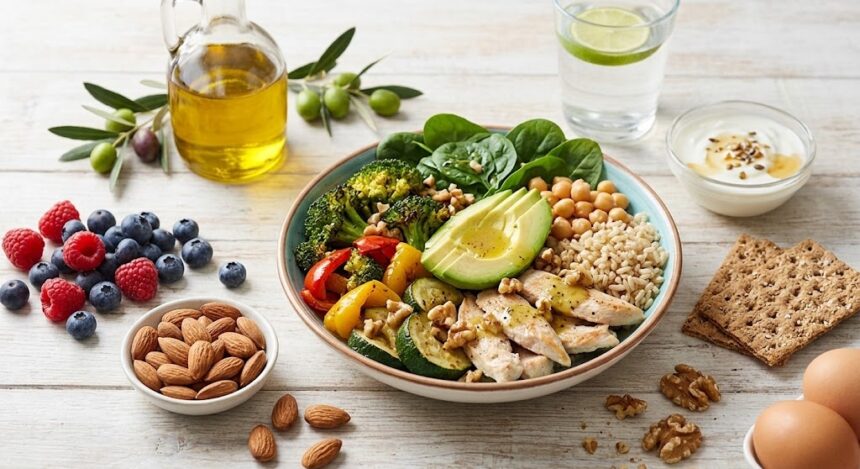
- Non-starchy vegetables (broccoli, spinach, peppers, zucchini) for fiber and low glycemic impact
- Lean protein (chicken, fish, tofu, eggs, legumes) to support satiety and stable blood sugar
- Healthy fats (olive oil, avocado, nuts, fatty fish) to support hormone production and reduce inflammation
- Whole grains in moderate portions (quinoa, oats, brown rice) rather than refined grains
- Fiber-rich legumes (lentils, chickpeas, beans), which slow carbohydrate absorption and support gut health
- Anti-inflammatory foods (berries, fatty fish, olive oil, leafy greens), since PCOS is associated with low-grade chronic inflammation
- Fermented foods (yogurt, kefir) for gut health, which has emerging links to hormone regulation
Foods to Limit for PCOS
- Refined carbohydrates (white bread, white rice, pastries), which cause rapid blood sugar spikes
- Added sugar and sugary drinks, a major direct contributor to insulin spikes
- Highly processed and fried foods, which are typically calorie-dense and promote inflammation
- Excess red and processed meat, associated with worse inflammatory markers in some research
- Trans fats, found in some fried and processed foods, linked to worse insulin resistance and inflammation
Sample One-Day PCOS-Friendly Meal Plan
- Breakfast: Vegetable omelet with spinach and feta, plus a small serving of whole grain toast
- Lunch: Grilled chicken salad with mixed greens, chickpeas, olive oil, and lemon dressing
- Snack: Greek yogurt with a small handful of berries and walnuts
- Dinner: Baked salmon with roasted broccoli and a modest portion of quinoa
- Evening Snack: A small apple with a tablespoon of almond butter
This structure emphasizes protein and fiber at each meal, moderate portions of lower-glycemic carbohydrates, and minimal added sugar throughout the day.
PCOS Diet by Symptom Type
PCOS doesn’t look the same for everyone, and dietary emphasis can shift depending on which symptoms are most prominent. For insulin-resistant PCOS, the most common presentation, prioritizing low-glycemic carbohydrates, consistent meal timing, and adequate protein at each meal has the strongest evidence for improving blood sugar control. For PCOS with prominent weight-related symptoms, a modest calorie deficit combined with the same low-glycemic, high-fiber principles tends to support both weight management and hormonal improvement together, rather than requiring a separate approach. For PCOS with significant inflammatory symptoms, such as skin issues or joint discomfort, leaning further into anti-inflammatory foods like fatty fish, olive oil, and colorful vegetables, alongside reducing processed food, may offer additional benefit beyond blood sugar management alone.
Does Weight Loss Help PCOS Symptoms?
For people with PCOS who are also carrying excess weight, even a modest weight loss of 5-10% of body weight has been shown in research to improve insulin sensitivity, menstrual regularity, and fertility outcomes. However, PCOS affects people across all body sizes, and diet quality and blood sugar management matter for symptom control independent of weight, meaning someone at a “normal” weight with PCOS can still benefit significantly from these dietary approaches, since insulin resistance can occur regardless of weight.
Does Dairy or Gluten Need to Be Eliminated for PCOS?
There’s no strong universal evidence that everyone with PCOS needs to eliminate dairy or gluten. Some individuals report symptom improvement with dairy reduction, potentially related to dairy’s effect on insulin-like growth factor, but this isn’t established as a necessary step for all people with PCOS. Similarly, a gluten-free diet isn’t supported as a universal PCOS treatment unless someone has a separately diagnosed gluten sensitivity or celiac disease. Broad elimination diets without a specific reason can lead to unnecessary restriction, so these choices are better made individually, ideally with a dietitian, rather than as a default recommendation for everyone with PCOS.
Do Supplements Help With PCOS?
Some supplements have research support as complements to dietary changes, including inositol (particularly myo-inositol and D-chiro-inositol), which has a reasonable body of evidence for improving insulin sensitivity and ovulatory function, vitamin D, since deficiency is common in PCOS and correcting it may support metabolic and reproductive outcomes, and omega-3 fatty acids, which may help with inflammation and triglyceride levels. Supplements should generally be viewed as complementary to, not a replacement for, dietary changes and any prescribed medical treatment, and are best discussed with a doctor given individual variation in what’s actually needed.
Common Mistakes When Managing PCOS Through Diet
- Focusing only on weight loss numbers rather than blood sugar and insulin management, which matters even without significant weight change
- Cutting carbohydrates too drastically rather than choosing better-quality, lower-glycemic carbohydrate sources
- Eliminating entire food groups (dairy, gluten) without a specific, individually confirmed reason
- Skipping meals or under-eating, which can worsen blood sugar swings and hormonal symptoms rather than helping
- Relying on supplements alone while ignoring the foundational role of overall diet quality
When to See a Doctor or Dietitian
PCOS management works best with a combination of medical care and dietary strategy rather than diet changes alone. See a doctor for proper diagnosis and to discuss whether medication (such as metformin for insulin resistance) is appropriate alongside dietary changes, and consider working with a registered dietitian for individualized guidance, particularly if you have other conditions like diabetes, thyroid issues, or disordered eating patterns that make general dietary advice less straightforward to apply safely.
Frequently Asked Questions
What foods should I avoid completely with PCOS?
There’s no food that must be completely eliminated for everyone with PCOS, but minimizing added sugar, refined carbohydrates, and highly processed foods has the most consistent evidence for improving insulin sensitivity and symptoms.
Is keto or low-carb better than Mediterranean for PCOS?
Both approaches can improve insulin sensitivity, but the Mediterranean and low-glycemic-index patterns have more research specifically in PCOS populations and are generally easier to sustain long-term than very low-carb approaches like keto, which some people find more restrictive.
Can diet alone reverse PCOS?
Diet can significantly improve insulin sensitivity, menstrual regularity, and related symptoms, but PCOS is a chronic hormonal condition without a single dietary cure, so most people need an ongoing combination of dietary management and, often, medical treatment rather than a one-time fix.
Does sugar make PCOS worse?
Yes, added sugar and refined carbohydrates cause rapid blood sugar and insulin spikes, which can worsen the androgen excess and insulin resistance central to PCOS, making sugar reduction one of the more consistently recommended dietary changes.
How long does it take to see results from a PCOS diet?
Some people notice improvements in energy and blood sugar stability within a few weeks, while more significant changes like menstrual regularity typically take a few months of consistent dietary change to become noticeable, and results vary based on individual severity and adherence.
Is intermittent fasting good for PCOS?
Some research suggests intermittent fasting may improve insulin sensitivity for some people with PCOS, but evidence is still developing and it isn’t universally recommended, particularly for those with a history of disordered eating, so it’s worth discussing with a doctor or dietitian before starting.
Does PCOS diet differ for lean vs. overweight individuals?
The core dietary principles — low-glycemic carbohydrates, adequate fiber and protein, limiting added sugar — apply to both groups, since insulin resistance can occur regardless of body weight. The main difference is that weight management strategies, like a calorie deficit, are more relevant for those carrying excess weight, while lean individuals with PCOS focus primarily on blood sugar and hormone management without needing to target weight loss specifically.
Can PCOS symptoms improve without medication, through diet alone?
For some people, especially those with milder insulin resistance, diet and lifestyle changes alone can meaningfully improve symptoms like menstrual regularity and skin issues. Others need a combination of diet and medication, such as metformin or hormonal treatment, particularly for more significant insulin resistance or fertility goals, so this is best assessed individually with a doctor rather than assumed either way.
Related Reading
- Mediterranean diet meal plan
- DASH diet for high blood pressure
- Best fiber foods for digestion
- Anti-inflammatory foods list: diet plan and joint pain
Informational only — not medical advice. See a doctor or registered dietitian for a personalized PCOS management plan, especially if you have other health conditions.