

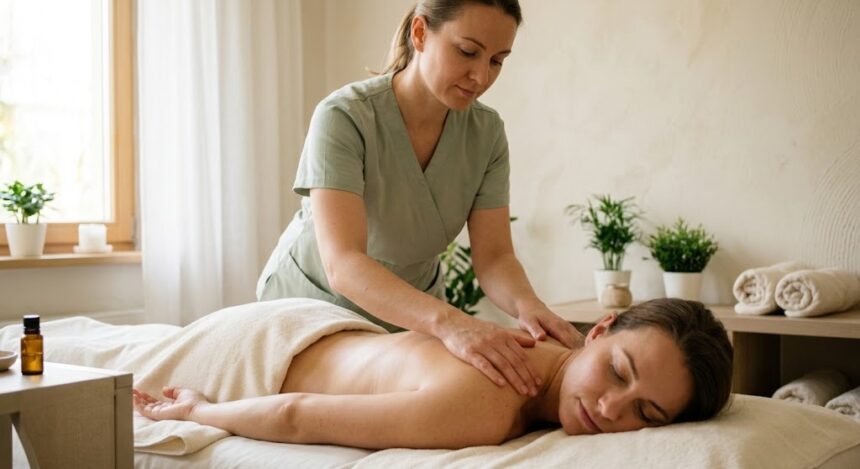
Lymphatic drainage massage benefits include reduced swelling and fluid retention, temporary relief from bloating and puffiness, support for post-surgical recovery (particularly after procedures like liposuction), and improved circulation, achieved through gentle, rhythmic strokes that encourage lymph fluid movement toward lymph nodes for filtering and drainage. It’s most strongly supported for managing lymphedema, a condition involving chronic lymph fluid buildup, while general wellness claims like detoxification and significant, lasting weight loss have much weaker scientific backing.
This guide covers how lymphatic drainage massage actually works, what it’s proven to help with, what to expect from a session, and where the evidence is thinner than the marketing suggests.
What Is the Lymphatic System and Why Does It Matter?
The lymphatic system is a network of vessels and nodes that runs throughout the body, working alongside the circulatory system to remove excess fluid, waste products, and support immune function. Unlike blood, which is pumped by the heart, lymph fluid moves more passively, relying on muscle movement, breathing, and external pressure to circulate. When this system is impaired or overwhelmed — due to surgery, injury, immobility, or certain medical conditions — fluid can build up in tissues, causing swelling. Lymphatic drainage massage uses specific light, rhythmic techniques designed to encourage this fluid to move more effectively toward lymph nodes for processing.
How Does Lymphatic Drainage Massage Work?
Unlike deep tissue massage, lymphatic drainage massage uses very light pressure and slow, rhythmic, often circular strokes applied in a specific direction, generally starting near lymph nodes (such as the neck, armpits, or groin) and working toward areas of swelling, in order to encourage fluid movement toward these drainage points. The technique is deliberately gentle, since lymph vessels sit very close to the skin’s surface and respond to light pressure rather than deep, forceful manipulation, which can actually be less effective or counterproductive for this specific purpose.
What Does Lymphatic Drainage Massage Actually Help With?
Strong Evidence: Lymphedema Management
Lymphatic drainage massage, often called manual lymphatic drainage (MLD) in clinical settings, has solid evidence supporting its use as part of a broader treatment approach for lymphedema, a condition causing chronic swelling, most commonly in an arm or leg, often following cancer treatment involving lymph node removal or damage.
Reasonable Evidence: Post-Surgical Swelling
Following certain surgeries, particularly cosmetic procedures like liposuction, lymphatic drainage massage is commonly recommended and has support for reducing swelling and potentially speeding recovery, though protocols and specific outcomes vary by procedure and provider.
Modest Evidence: General Swelling and Puffiness
For everyday fluid retention, such as after a long flight, before a menstrual period, or after a salty meal, lymphatic drainage techniques can provide temporary relief from puffiness, largely through the same fluid-movement mechanism, though effects are generally short-lived without addressing the underlying cause of the retention.
Limited Evidence: Detoxification
Marketing claims describing lymphatic drainage as “detoxifying” the body significantly overstate what the science supports; the body’s detoxification processes are primarily handled by the liver and kidneys, and there’s no strong evidence that lymphatic massage removes toxins in a way that provides measurable health benefits beyond fluid movement.
Limited Evidence: Significant, Lasting Weight Loss
Any weight change immediately after a lymphatic drainage session is almost entirely water weight from fluid shifts, not fat loss, and effects are temporary rather than representing a genuine, lasting reduction in body fat.
Lymphatic Drainage Massage vs. Regular Massage
These two are often confused, but they work through different mechanisms and target different goals. Regular (Swedish or deep tissue) massage uses firmer pressure to manipulate muscle tissue, relieve tension, and improve blood circulation, and is primarily aimed at muscle relaxation and pain relief. Lymphatic drainage massage uses much lighter pressure specifically targeting the superficial lymphatic vessels just under the skin, aiming to move fluid rather than release muscle tension, and won’t feel like a typical relaxation or sports massage in terms of pressure intensity. Someone seeking relief from muscle soreness or tightness should look for a regular massage, while someone managing swelling, post-surgical fluid buildup, or diagnosed lymphedema should specifically seek a therapist trained in manual lymphatic drainage, since the techniques and training aren’t interchangeable.
What Happens During a Lymphatic Drainage Massage Session?
A typical session involves light, rhythmic strokes applied in specific patterns and directions determined by the body’s lymphatic pathways, generally starting at the neck or collarbone area (a key drainage point) before moving to other body areas as needed. Sessions typically last 30-60 minutes, and unlike deep tissue massage, pressure remains consistently light throughout — a therapist trained in manual lymphatic drainage uses a distinct, gentle technique rather than the firmer pressure associated with typical relaxation or deep tissue massage. Some people feel immediate, though temporary, reduction in visible puffiness after a session, while others notice more gradual improvement over a series of sessions, particularly for post-surgical or lymphedema-related swelling.
Who Can Benefit Most From Lymphatic Drainage Massage?
People with diagnosed lymphedema, as part of a broader, medically supervised treatment approach (Complete Decongestive Therapy) that also includes compression garments and specific exercises. People recovering from certain surgeries, particularly liposuction or other procedures involving significant tissue disruption, where a doctor has specifically recommended it as part of recovery. People experiencing temporary fluid retention, such as premenstrual bloating or post-flight swelling, for short-term symptomatic relief. People without underlying medical conditions may also find it a pleasant, low-intensity wellness practice, understanding that broader health claims beyond fluid movement aren’t well supported.
Who Should Avoid Lymphatic Drainage Massage?
Certain conditions warrant caution or avoidance: active infections, since lymphatic massage could theoretically help spread infection through the lymphatic system, blood clots (deep vein thrombosis) or a history of clots, since massage in the area could dislodge a clot, congestive heart failure or kidney disease, since these conditions already involve fluid balance issues that require careful medical management, and active cancer in the area being treated, unless specifically cleared and recommended by an oncologist as part of cancer-related lymphedema treatment. Anyone with a significant medical condition should consult a doctor before starting lymphatic drainage massage, rather than assuming it’s universally safe simply because the pressure involved is light.
At-Home Lymphatic Drainage Techniques
Some gentle, low-risk self-massage techniques are commonly taught for at-home use, including light upward strokes on the legs (toward the groin) and light strokes on the arms (toward the armpit), gentle circular motions at the neck and collarbone area, where major lymph nodes are located, and using a dry brush or the hands with very light pressure, since deep pressure isn’t the goal. Consistency tends to matter more than intensity with these techniques — a few minutes of gentle, correctly-directed strokes daily is generally more effective for everyday puffiness than an occasional longer session with heavier pressure, since heavier pressure doesn’t improve lymphatic flow and may be counterproductive. These techniques are generally considered safe for otherwise healthy people seeking mild symptomatic relief from everyday puffiness, though they aren’t a substitute for professional manual lymphatic drainage in medically significant situations like diagnosed lymphedema.
Does Lymphatic Drainage Massage Actually Reduce Cellulite?
Evidence for lymphatic drainage massage as an effective cellulite treatment is weak. While some people report a temporary smoothing effect, likely related to short-term fluid shifts and increased circulation, there’s no strong evidence that it produces a lasting structural change to the fat and connective tissue patterns that cause cellulite’s characteristic appearance. It’s reasonable to view any smoothing effect as temporary and cosmetic rather than a genuine treatment for the underlying cause.
Frequently Asked Questions
Does lymphatic drainage massage actually work?
For its core, well-supported purpose — moving lymph fluid and reducing swelling — yes, particularly for lymphedema and certain post-surgical recovery contexts. For broader wellness claims like detoxification or significant fat loss, the evidence is much weaker and often overstated in marketing.
How often should you get lymphatic drainage massage?
This depends on the purpose: for lymphedema management, sessions are often recommended multiple times per week initially, tapering with a doctor’s or lymphedema therapist’s guidance, while for general wellness or temporary puffiness, occasional sessions (weekly to monthly) are more typical.
Can I do lymphatic drainage massage myself at home?
Yes, gentle self-massage techniques using very light pressure toward lymph nodes can provide mild relief from everyday puffiness, though professional manual lymphatic drainage is recommended for medically significant conditions like diagnosed lymphedema.
Is lymphatic drainage massage painful?
No, it should be very light and gentle throughout — significant pain or heavy pressure isn’t part of proper lymphatic drainage technique, and a session causing pain likely isn’t being performed correctly for this specific purpose.
Does lymphatic drainage massage help with weight loss?
Not in a meaningful, lasting way. Any immediate weight change is primarily water weight from fluid shifts, not fat loss, so it shouldn’t be relied upon as a weight-loss strategy.
Is lymphatic drainage massage safe after surgery?
It’s commonly recommended after certain surgeries, particularly liposuction, but timing and technique should be guided by your surgeon or a trained lymphatic therapist familiar with your specific procedure and recovery stage, rather than starting on your own timeline.
What’s the difference between manual lymphatic drainage and lymphatic drainage tools (rollers, vibrating devices)?
Manual lymphatic drainage performed by a trained therapist uses precise, direction-specific hand techniques developed and studied for moving lymph fluid effectively. At-home tools like jade rollers, gua sha, or vibrating massagers can provide a similar light-pressure stimulation and may offer mild, temporary relief from puffiness, but they haven’t been studied to the same extent as professional manual technique and shouldn’t be relied upon for medically significant swelling like lymphedema.
Can lymphatic drainage massage help with under-eye puffiness?
Yes, light lymphatic drainage techniques around the eye area are commonly used and can provide temporary reduction in under-eye puffiness, primarily by encouraging fluid that has accumulated overnight to move away from the area, though the effect is generally short-lived and doesn’t address underlying causes like allergies, sleep position, or genetics.
Related Reading
- Sunscreen for oily skin
- Vitamin C serum benefits: what it actually does for your skin
- Red light therapy for skin: what it actually does and what to expect
Informational only — not medical advice. See a doctor before starting lymphatic drainage massage if you have a blood clot history, heart or kidney disease, active infection, or cancer.