

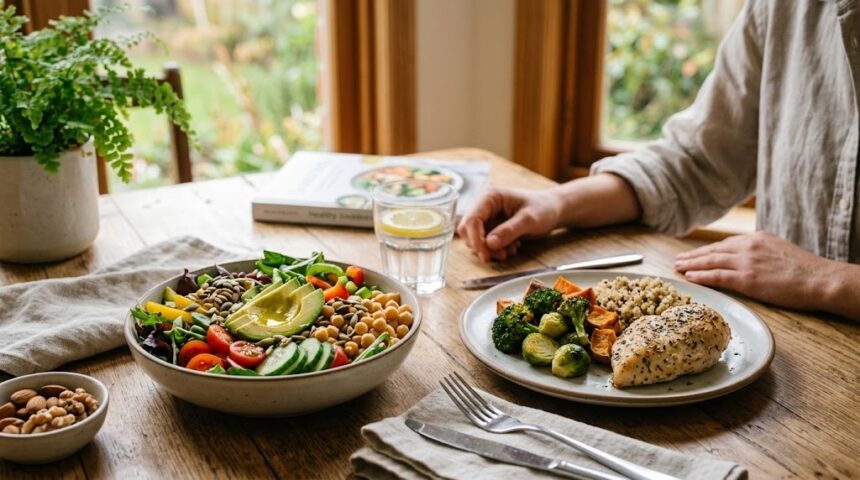
The best diet for insulin resistance focuses on low-glycemic, high-fiber carbohydrates, adequate protein and healthy fat at each meal to slow blood sugar spikes, and minimizing added sugar and refined carbohydrates, which are the biggest dietary drivers of elevated insulin. Insulin resistance — where cells respond less effectively to insulin, forcing the body to produce more of it to manage blood sugar — underlies conditions like prediabetes, type 2 diabetes, and PCOS, and dietary change is one of the most effective, evidence-backed tools for improving insulin sensitivity, often before medication is needed or alongside it.
This guide covers how diet affects insulin resistance, the best foods and eating patterns to prioritize, what to limit, a sample day of eating, and answers to common questions about managing insulin resistance through nutrition.
What Is Insulin Resistance?
Insulin resistance occurs when cells in the muscles, fat, and liver don’t respond normally to insulin, the hormone that moves glucose from the bloodstream into cells for energy. To compensate, the pancreas produces more insulin to keep blood sugar in a normal range, and this elevated insulin can persist for years, often without symptoms, before blood sugar itself becomes abnormal. Over time, unmanaged insulin resistance can progress to prediabetes and type 2 diabetes, and it’s also closely linked to conditions like PCOS, fatty liver disease, and higher cardiovascular risk, which is why addressing it early through diet matters even before a diabetes diagnosis.
Why Diet Has Such a Strong Effect on Insulin Resistance
Every meal containing carbohydrates triggers an insulin response, and how quickly and how much blood sugar rises depends heavily on the type, amount, and combination of foods eaten. Diets high in refined carbohydrates and added sugar cause frequent, large insulin spikes, which over time can worsen cellular insulin resistance, while diets emphasizing fiber, protein, and healthy fats slow digestion and blunt these spikes, giving cells more consistent, lower-level insulin exposure that supports better long-term sensitivity.
Best Foods for Insulin Resistance
- Non-starchy vegetables (broccoli, leafy greens, peppers, zucchini) for fiber and minimal blood sugar impact
- Lean protein (fish, poultry, eggs, tofu, legumes) at each meal to slow digestion and improve satiety
- Healthy fats (olive oil, avocado, nuts, fatty fish), which don’t spike blood sugar and support overall metabolic health
- Low-glycemic whole grains (steel-cut oats, quinoa, barley) in moderate portions, rather than refined grains
- Legumes (lentils, chickpeas, black beans), which combine fiber and protein and have a notably lower glycemic impact than most other carbohydrate sources
- Fermented and vinegar-containing foods, since some research suggests vinegar consumed with meals may modestly blunt post-meal blood sugar spikes
Foods to Limit for Insulin Resistance
- Added sugar and sugary drinks, among the most direct and significant contributors to insulin spikes
- Refined carbohydrates (white bread, white rice, pastries), which are digested quickly and cause rapid blood sugar rises
- Highly processed and fried foods, often combining refined carbohydrates with unhealthy fats and excess calories
- Trans fats, linked in research to worsened insulin resistance beyond their cardiovascular risks
- Excess alcohol, which can interfere with blood sugar regulation and add significant empty calories
Does Meal Order and Timing Matter?
Some research suggests that eating order within a meal can influence the blood sugar response — eating vegetables and protein before carbohydrates has been shown in several studies to result in a smaller post-meal blood sugar spike compared to eating carbohydrates first. Similarly, regular, consistent meal timing rather than large gaps followed by very large meals tends to support more stable blood sugar and insulin levels, though individual response varies and this is a secondary strategy on top of overall food choices rather than a replacement for them.
Sample One-Day Insulin-Resistance-Friendly Meal Plan
- Breakfast: Veggie and egg scramble with a small side of avocado
- Lunch: Grilled chicken or lentil salad with mixed greens, olive oil dressing, and a small portion of quinoa
- Snack: Greek yogurt with a small handful of nuts
- Dinner: Baked fish with roasted non-starchy vegetables and a modest serving of barley
- Evening: A small apple with a tablespoon of nut butter, if needed
Does Weight Loss Improve Insulin Resistance?
For people carrying excess weight, particularly around the abdomen, even a modest weight loss of 5-10% of body weight has been shown in research to meaningfully improve insulin sensitivity. However, insulin resistance can occur at any body weight, and diet quality — prioritizing fiber, protein, and lower-glycemic carbohydrates — supports insulin sensitivity independent of weight change, which means these dietary strategies are worth applying regardless of whether weight loss is also a goal.
Common Mistakes When Managing Insulin Resistance Through Diet
- Eliminating all carbohydrates rather than choosing better-quality, lower-glycemic sources
- Skipping meals, which can lead to larger blood sugar swings and overeating later
- Choosing “low-fat” processed products that are often high in added sugar to compensate for flavor
- Focusing only on sugar while overlooking refined starches like white bread and white rice, which have a similarly high glycemic impact
- Ignoring physical activity, which independently improves insulin sensitivity alongside diet
When to See a Doctor
Insulin resistance is typically identified through blood tests, and it’s worth seeing a doctor for proper diagnosis and to discuss whether monitoring or medication (such as metformin) is appropriate alongside dietary changes, particularly if you have risk factors like a family history of type 2 diabetes, PCOS, or excess abdominal weight. A registered dietitian can also help build an individualized, sustainable eating plan tailored to your specific health status and preferences.
Frequently Asked Questions
What foods should I avoid with insulin resistance?
There’s no food that must be entirely eliminated for everyone, but minimizing added sugar, refined carbohydrates, and highly processed foods has the most consistent evidence for improving insulin sensitivity.
Is a low-carb or keto diet best for insulin resistance?
Low-carb approaches can improve insulin sensitivity, but a moderate, low-glycemic-index diet with adequate fiber is generally easier to sustain long-term for most people and has strong research support as well, so the “best” approach often comes down to what someone can realistically maintain.
Can insulin resistance be reversed through diet alone?
For many people, especially in earlier stages, diet and lifestyle changes can significantly improve or normalize insulin sensitivity. More established insulin resistance or type 2 diabetes may need a combination of diet and medication, so this varies by individual and should be assessed with a doctor.
Does eating protein first really lower blood sugar spikes?
Several studies support that eating protein and vegetables before carbohydrates in a meal results in a smaller post-meal blood sugar rise compared to eating carbohydrates first, likely due to slower gastric emptying and blunted glucose absorption.
How long does it take to improve insulin resistance through diet?
Some improvements in blood sugar stability can occur within a few weeks of consistent dietary change, while more significant improvements in insulin sensitivity markers typically take a few months, and results vary based on starting severity, weight, and adherence.
Is fruit okay to eat with insulin resistance?
Whole fruit, especially lower-glycemic options like berries and apples, is generally fine in normal portions and provides fiber that helps moderate its blood sugar impact — the bigger concern is fruit juice and dried fruit, which concentrate sugar and lack the same fiber-to-sugar ratio.
Related Reading
- Best diet for PCOS: what actually helps and what to eat
- Best diet for fatty liver disease: what actually helps
- Mediterranean diet meal plan: a full week of meals and how to start
- Whey protein vs plant protein: which should you choose?
Informational only — not medical advice. See a doctor or registered dietitian for a personalized plan if you have insulin resistance, prediabetes, or type 2 diabetes.