
The best diet for fatty liver disease centers on gradual, sustainable weight loss (if excess weight is present), a Mediterranean-style eating pattern rich in vegetables, whole grains, lean protein, and healthy fats, and strict limits on added sugar, refined carbohydrates, and alcohol, all of which directly contribute to fat accumulation in the liver. Non-alcoholic fatty liver disease (NAFLD, now often called MASLD) is one of the few liver conditions where diet and lifestyle changes, rather than medication, are the primary and most effective treatment, and even modest weight loss of 5-10% of body weight has been shown in research to meaningfully reduce liver fat.
This guide covers how diet affects fatty liver disease, the best foods and eating patterns to prioritize, what to limit or avoid, a sample day of eating, and answers to common questions about managing the condition through nutrition.
What Is Fatty Liver Disease?
Fatty liver disease occurs when excess fat builds up in liver cells, most commonly due to non-alcoholic fatty liver disease (NAFLD), which is closely linked to obesity, insulin resistance, and metabolic syndrome, rather than alcohol use. Left unmanaged, it can progress from simple fat accumulation to inflammation (steatohepatitis, or NASH/MASH) and, in more advanced cases, scarring (fibrosis or cirrhosis). The condition is frequently symptomless in its early stages and often discovered incidentally through blood tests or imaging, which is part of why proactive dietary management matters even before symptoms appear.
Why Diet Is the Primary Treatment
There’s currently no approved medication specifically for reversing simple fatty liver in most cases, which makes diet and weight management the frontline treatment recommended by liver specialists. Research consistently shows that a 5% reduction in body weight can reduce liver fat, a 7-10% reduction can improve liver inflammation, and greater weight loss may help reverse early fibrosis in some cases — making sustained dietary change one of the most directly effective tools available for this condition.
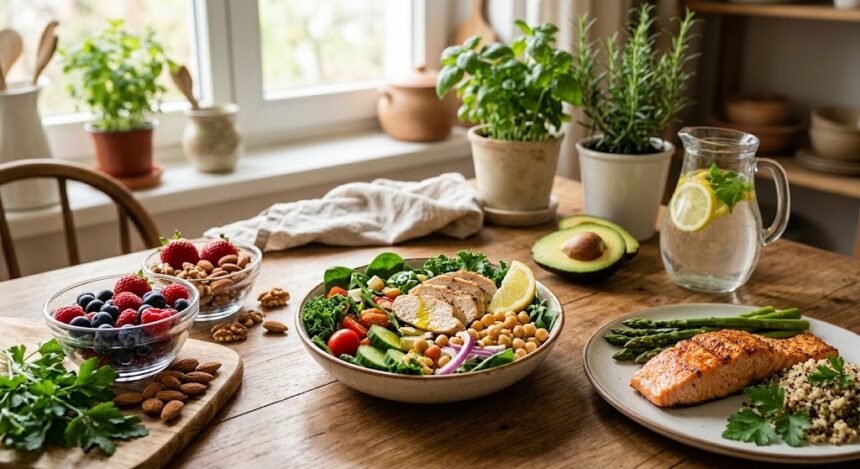
Best Foods for Fatty Liver Disease
- Vegetables and fruit, especially non-starchy vegetables, which are high in fiber and antioxidants and low in calories relative to volume
- Whole grains (oats, quinoa, brown rice) instead of refined grains, which support more stable blood sugar and insulin levels
- Lean protein (fish, poultry, legumes, tofu), which supports satiety and helps preserve muscle mass during weight loss
- Healthy fats (olive oil, nuts, avocado, fatty fish), particularly monounsaturated and omega-3 fats, which research links to lower liver fat compared to saturated fat
- Coffee, which several studies have associated with a lower risk of liver fibrosis progression in people with fatty liver disease, likely due to its antioxidant compounds
- Legumes and beans, which combine fiber and plant protein and support healthy blood sugar control
Foods and Drinks to Avoid or Limit
- Added sugar, especially fructose from sugary drinks, which is directly and strongly linked to increased liver fat production
- Refined carbohydrates (white bread, pastries, sugary cereals), which spike blood sugar and insulin and promote fat storage in the liver
- Alcohol, which should be avoided or strictly limited, since it adds a second, direct source of liver stress on top of existing fat accumulation
- Saturated and trans fats (fried foods, processed snacks, fatty cuts of red meat), which are more strongly linked to liver fat accumulation than unsaturated fats
- Excess sodium, particularly relevant if fatty liver has progressed to more advanced stages involving fluid retention
Is the Mediterranean Diet Best for Fatty Liver?
Among specific eating patterns studied, the Mediterranean diet has the strongest and most consistent research support for fatty liver disease, independent of weight loss alone. Its emphasis on olive oil, vegetables, whole grains, fish, and limited red meat and refined sugar aligns closely with the dietary changes shown to reduce liver fat and improve insulin sensitivity, which is why it’s frequently the first specific eating pattern recommended by hepatologists and dietitians for this condition. See our Mediterranean diet meal plan for a full week of meals built around these principles.
Sample One-Day Fatty Liver-Friendly Meal Plan
- Breakfast: Oatmeal topped with berries, chia seeds, and a small handful of walnuts
- Lunch: Grilled chicken or chickpea salad with mixed greens, olive oil, and lemon dressing
- Snack: An apple with a small handful of almonds
- Dinner: Baked salmon with roasted vegetables and a small serving of quinoa
- Beverage: Water, unsweetened tea, or black coffee throughout the day instead of sugary drinks
Does Weight Loss Speed Matter?
Gradual weight loss, generally around 0.5-1 kg (roughly 1-2 lbs) per week, is recommended over rapid weight loss for fatty liver disease. Counterintuitively, very rapid weight loss, such as from extreme calorie restriction or some forms of bariatric surgery without proper management, can temporarily worsen liver inflammation in some cases, which is why a steady, sustainable approach through diet and increased physical activity is generally preferred over crash dieting.
Do Supplements Help With Fatty Liver Disease?
Some supplements have research interest for fatty liver disease, including vitamin E, which has shown benefit in some clinical trials for people with confirmed NASH who don’t have diabetes, though it requires medical supervision given potential risks with long-term high-dose use, and omega-3 fatty acids, which may help reduce liver fat modestly. No supplement is currently considered a substitute for the dietary and weight management changes that form the core of fatty liver treatment, and any supplement use should be discussed with a doctor given individual liver health status.
Common Mistakes When Managing Fatty Liver Through Diet
- Attempting very rapid or extreme weight loss instead of a gradual, sustainable pace
- Underestimating sugary drinks and fruit juice as a major source of liver-damaging fructose
- Continuing regular alcohol use, even in small amounts, alongside an otherwise good diet
- Focusing only on fat intake while ignoring refined carbohydrates and added sugar, which are equally or more significant drivers of liver fat
- Making dietary changes without addressing physical activity, which works synergistically with diet to improve insulin sensitivity and liver fat
When to See a Doctor
Fatty liver disease is typically diagnosed and monitored through blood tests and imaging, and it’s important to work with a doctor to confirm the diagnosis, rule out other causes of liver fat (including alcohol-related liver disease and certain medications), and monitor for progression to inflammation or fibrosis over time. A registered dietitian can also help build a sustainable, individualized eating plan, particularly for anyone managing related conditions like type 2 diabetes, high cholesterol, or obesity alongside fatty liver disease.
Frequently Asked Questions
Can fatty liver disease be reversed through diet?
Yes, in earlier stages, simple fatty liver can often be significantly improved or reversed through sustained diet and weight management changes. More advanced stages involving inflammation or scarring are harder to fully reverse but can often still be slowed or partially improved with the same approach.
What foods should be avoided completely with fatty liver disease?
Alcohol is the food/drink most strongly advised against, since it directly adds to liver stress. Beyond that, there’s no single food that must be eliminated entirely, but sugary drinks, refined carbohydrates, and fried foods should be minimized as much as possible.
Is fruit bad for fatty liver disease?
Whole fruit, eaten in normal amounts, is generally fine and even beneficial due to its fiber and antioxidant content — the concern is specifically with concentrated fructose from sugary drinks, fruit juice, and processed foods with added sugar, not whole fruit itself.
How much weight loss is needed to improve fatty liver?
Research generally shows that losing around 5% of body weight can reduce liver fat, while 7-10% loss can improve liver inflammation, and greater loss may help improve early fibrosis, though individual results vary and this should be pursued gradually rather than rapidly.
Is coffee good or bad for fatty liver?
Coffee is generally considered beneficial for fatty liver disease — several studies have linked regular coffee consumption to a lower risk of liver fibrosis progression, likely due to its antioxidant content, though it should still be consumed without excessive added sugar or cream.
Can you have fatty liver disease without drinking alcohol?
Yes, non-alcoholic fatty liver disease (NAFLD/MASLD) is the more common form and occurs without significant alcohol use, driven instead primarily by obesity, insulin resistance, and metabolic factors, which is why it’s sometimes surprising to people diagnosed with it.
Related Reading
- Mediterranean diet meal plan: a full week of meals and how to start
- Best diet for insulin resistance: what actually helps
- Best diet for high cholesterol: foods that help and foods to limit
- Anti-inflammatory foods list: diet plan and joint pain
Informational only — not medical advice. See a doctor for diagnosis and monitoring of fatty liver disease, and consult a registered dietitian for an eating plan tailored to your stage of the condition and any other health issues.