

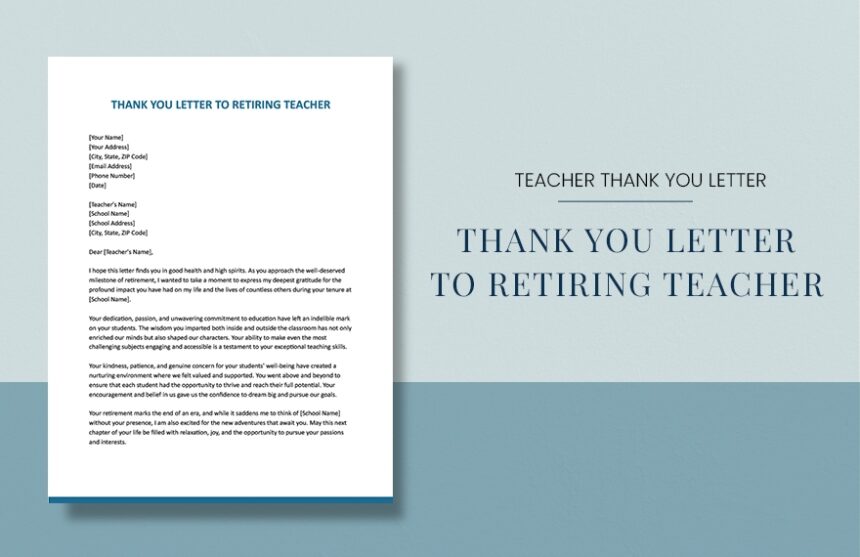
I still remember the moment I decided to write my first thank you letter to teacher. It was three years after graduating high school, and I randomly bumped into Mrs. Henderson at a coffee shop. We chatted for maybe ten minutes, but that brief conversation made me realize how profoundly she’d shaped my life. I went home that night and couldn’t shake the feeling that I needed to tell her properly. That’s when I sat down and poured my heart onto paper.
Here’s the thing about teachers—they rarely hear about the impact they make. They show up every single day, pour energy into lessons, stay late for extra help, and somehow find patience when we’re struggling. Yet most of them never know which students they’ve truly reached. Writing a thank you letter to teacher isn’t just a nice gesture. It’s a moment of connection that can genuinely brighten someone’s entire year, maybe even their career.
Why Your Teacher Deserves That Thank You Note
Let me be honest with you. Before writing to Mrs. Henderson, I thought thank you notes were kind of outdated. Like, who writes letters anymore, right? But then I actually did it, and her response completely changed my perspective.
She wrote back telling me she’d been having a rough week, questioning whether her teaching still mattered. My letter arrived on the exact day she needed it most. That’s when I understood something crucial: teachers are human beings who need encouragement just like anyone else.
Think about it for a second. Your teacher probably spends 40-50 hours per week lesson planning, grading papers, managing classroom dynamics, and dealing with administrative tasks. They invest emotional energy into helping students succeed, often using their own money for classroom supplies. And the feedback they get? Usually it’s complaints from frustrated parents or silence from students who’ve moved on.
Your gratitude letter breaks that silence.
What Makes a Thank You Letter to Teacher Actually Meaningful
I’ve written maybe a dozen teacher appreciation letters over the years now, and I’ve learned what works versus what falls flat. The difference isn’t about fancy vocabulary or perfect grammar. It’s about specificity and sincerity.
Generic praise sounds hollow. Saying “you were a great teacher” doesn’t tell them anything real. But mentioning the specific Tuesday afternoon when they explained photosynthesis using a ridiculous plant costume? That’s memorable. That’s meaningful.
The teachers who’ve responded to my letters always mention the specific details I included. Mr. Roberts quoted back to me the exact assignment I referenced—a creative writing piece about my grandmother that he’d encouraged me to submit to a contest. He remembered it instantly because I reminded him of the context, the struggle I had with it, and how his feedback made the difference.
When Should You Write Your Gratitude Letter
Timing matters less than you’d think, honestly. I worried that writing to Mrs. Henderson years after graduation was weird or too late. Turns out, delayed gratitude still counts. In fact, it might mean even more because it shows the impact lasted.
That said, certain moments create natural opportunities for teacher appreciation:
End of the school year is classic timing. Your teacher just finished an exhausting year, and summer break is starting. Your note becomes a wonderful way for them to transition into rest mode feeling valued.
After graduation hits differently. Whether it’s high school or college, looking back on your education with fresh perspective often reveals which teachers truly shaped you. I wrote to three of my college professors two years after graduating, and all three told me how much it meant.
During Teacher Appreciation Week in May works perfectly. Sure, it’s the obvious choice, but teachers actually love receiving acknowledgment during this designated time. It validates the whole concept of the week.
Randomly, just because might actually be the most powerful timing. There’s something incredibly touching about unexpected gratitude. No special occasion, no prompting—just genuine appreciation appearing out of nowhere.
My friend Sarah wrote to her elementary school music teacher twenty years after learning piano basics from her. Twenty years! That teacher cried happy tears because Sarah’s letter reminded her why she chose teaching in the first place.
Essential Elements Every Teacher Thank You Letter Needs
Alright, let’s talk structure. You don’t need to be Shakespeare here, but certain components make your letter actually work.
Start with a warm, personal greeting. Use their name the way you knew them. If you called them Mrs. Johnson in class, stick with that. If you’re writing years later and feel weird about formality, “Dear Mrs. Johnson” still works great. I’ve never regretted being too respectful.
State your purpose immediately. Don’t bury the lead. Your opening paragraph should clearly express that you’re writing to say thank you. Something like: “I’m writing this thank you letter to teacher who fundamentally changed how I see the world—and that teacher is you.”
Get specific about what they did. This is where your letter transforms from generic to genuinely moving. Think about particular moments, lessons, or interactions that stuck with you.
When I wrote to my high school English teacher, I mentioned the day she pulled me aside after class because my essay about family struggles was “too real to ignore.” She connected me with the school counselor, which started my journey toward actually dealing with some heavy stuff. That specificity mattered infinitely more than saying “you cared about students.”
Explain the impact on your life. Connect the dots between what they did and who you became. Did their encouragement lead you to pursue a certain career? Did their teaching method finally make math click? Did their patience help you develop confidence?
I know a guy who wrote to his physics teacher explaining that her passion for science inspired him to become an engineer. He included photos of bridges he’d helped design. She framed his letter and keeps it in her classroom.
Express genuine emotion. Don’t be afraid to be vulnerable here. If you’re grateful, say it plainly. If they made you feel seen during a difficult time, tell them. Teachers respond to authenticity.
Close with warmth and perhaps an invitation to connect. Depending on your relationship and comfort level, you might include your contact information or simply wish them well. I usually end with something like, “Thank you for investing in me when I needed it most. I hope you know the difference you make.”
Seven Proven Approaches for Your Teacher Appreciation Letter
Different situations call for different approaches. Here are the methods I’ve found most effective, based on actual letters I’ve written or received feedback about.
The Specific Moment Method
Focus your entire letter around one particular interaction or lesson that changed something for you. Describe it vividly, explain the context, and connect it to your current life.
I used this approach for my math teacher who spent lunch periods helping me understand algebra when I was genuinely struggling. I described sitting in her classroom, the way sunlight came through the windows, her patient explanations using colored markers, and how that extra help saved my GPA and my confidence.
The Journey Story Format
Walk your teacher through the journey from where you were when you met them to where you are now. This narrative approach lets them see the arc of your growth.
My cousin used this method writing to her high school guidance counselor. She started with being a confused sophomore with no college plans, described the conversations they had, and ended with her current position as a social worker helping other teens navigate difficult transitions.
The Subject Matter Celebration
If a teacher’s passion for their subject sparked your own interest, center your letter on that shared enthusiasm. Celebrate what they taught you beyond just curriculum.
A friend who became a history professor wrote to his high school history teacher about how her storytelling approach to historical events made him realize history wasn’t just dates and facts—it was human stories worth preserving. He specifically mentioned her two-week unit on the Civil Rights Movement that included primary sources and personal narratives.
The Character Development Focus
Some teachers impact us less through academics and more through life lessons. If your teacher modeled integrity, kindness, persistence, or other qualities that shaped your character, make that the centerpiece.
I wrote one of these to my middle school art teacher. Art wasn’t my thing, honestly, but watching her encourage every single student regardless of talent level taught me about the value of effort over outcome. That lesson applies to literally everything I do now.
The Ripple Effect Approach
Explain how their influence extended beyond just you. Maybe you became a teacher because of them. Maybe you use their methods with your own kids. Maybe you share stories about them with others.
My wife wrote to her English teacher explaining that she now reads to our daughters every night using the same enthusiasm and character voices her teacher used during read-aloud sessions. She included a photo of our girls with their favorite books.
The Difficult Time Acknowledgment
If your teacher helped you through a challenging period—family issues, learning difficulties, social struggles, health problems—you can structure your letter around that support.
This one requires careful thought because you’re touching on potentially heavy topics. But if handled with appropriate detail, it can be incredibly meaningful. A student wrote to me once (I taught briefly) explaining how my classroom felt like a safe space during his parents’ divorce. He didn’t overshare details but expressed how much stability mattered during chaos.
The Future Forward Message
Focus on where you’re headed and how they equipped you for that journey. This works especially well for recent graduates or students still pursuing education.
After finishing my master’s degree, I wrote to my undergraduate advisor explaining that the research skills and critical thinking she taught me became the foundation of my graduate work. I shared my thesis topic and directly connected it to conversations we’d had years earlier.
Common Mistakes That Weaken Your Teacher Thank You Message
I’ve made most of these errors myself, so I’m speaking from experience here.
Being too vague. “You were a great teacher and I learned a lot” tells them absolutely nothing. Which lessons? What impact? Great how?
Over-apologizing for past behavior. If you were occasionally difficult as a student, a brief acknowledgment is fine, but don’t make the letter about your regrets. Keep the focus on their positive impact.
Making it too long or too short. I aim for one to two pages handwritten or about 300-500 words typed. Long enough to be substantive, short enough to respect their time.
Trying too hard to sound formal or intellectual. Write like yourself. Your teacher knows you (or knew you). Authentic voice beats impressive vocabulary every single time.
Forgetting to proofread. Yes, teachers understand everyone makes mistakes, but obvious errors in a thank you letter feel careless. Read it over at least once.
Asking for something. This isn’t the letter where you request a recommendation, ask them to connect you with someone, or seek professional favors. Pure gratitude only.
Should You Handwrite or Type Your Appreciation Letter
Honest answer? Both work, but they send slightly different messages.
Handwritten letters feel more personal and require more effort, which inherently communicates care. There’s something touching about seeing someone’s actual handwriting. When Mrs. Henderson responded to my letter, she mentioned that holding my handwritten pages made the gratitude feel more real.
However, typed letters work perfectly fine, especially if your handwriting is genuinely difficult to read or if you’re sending the letter via email because you don’t have a current mailing address. I’ve sent both types, and the responses have been equally warm.
My suggestion: handwrite if you can. But if typing makes you more likely to actually send the letter, then type it. A typed thank you letter to teacher beats an unwritten handwritten one every single time.
Finding Your Teacher After Years Have Passed
This part honestly intimidated me more than writing the actual letter. How do you track down someone from years ago without being creepy?
Start with the school where they taught. Call the main office and ask if they’re still teaching there. If they’ve moved on, sometimes the office staff can forward a letter through official channels. Schools have protocols for this specifically because former students often want to reconnect.
Social media works surprisingly well. LinkedIn, Facebook, and even professional teaching networks can help you find teachers. Just be respectful in your initial message. I usually send a brief note explaining who I am, when they taught me, and that I’d like to send them something.
Alumni networks and class reunion groups often have information about former teachers too. Someone in your graduating class might still be in touch.
If you absolutely cannot find them, consider writing the letter anyway and keeping it. I have one thank you letter I wrote to my elementary school librarian who I never managed to locate. Writing it still mattered to me, and someday I might find her.
What Happens After You Send Your Letter
Set your expectations appropriately here. Some teachers will respond immediately with enthusiasm. Others might take weeks or might not respond at all—not because they don’t appreciate it, but because life gets busy or they’re simply not great at correspondence.
My experience has been about 70% response rate, and those responses have ranged from brief thank you emails to multi-page letters sharing what they’ve been up to and remembering our time together.
Mrs. Henderson called me crying after receiving my letter. My calculus teacher sent a two-sentence email that still clearly communicated his appreciation. My college writing professor and I now grab coffee once a year to catch up. Every response feels like a gift, even the brief ones.
But here’s what I’ve learned: whether or not they respond, your letter matters. Teachers tell me they reread student letters when they’re having tough days. They share them with spouses and family members. They keep them in desk drawers for years.
The Lasting Impact of Teacher Gratitude
Writing that first thank you letter to teacher changed something in me. It made me more aware of the people who invest in others without expecting recognition. It taught me that expressing gratitude is worth the small effort it requires.
I’m now much more likely to send appreciation messages to mentors, colleagues, and anyone who makes a positive difference. That habit has strengthened my relationships and honestly made me a happier person.
But beyond my personal growth, I’ve watched these letters impact the teachers who received them. I’ve heard from educators who told me that a single thank you note reminded them why they chose this profession during years when they were considering leaving. That’s not an exaggeration for dramatic effect—that’s actual feedback I’ve received multiple times.
Your words have power. The teacher who stayed late to help you, who believed in your potential, who made their subject come alive, who saw you when you felt invisible—they deserve to know what they gave you.
You don’t need perfect prose or profound insights. You just need honesty, specificity, and the willingness to take thirty minutes to write something meaningful.
So if there’s a teacher on your mind right now, someone who made a difference that you’ve never properly acknowledged, consider this your sign. Find some paper or open a fresh document. Start with their name and the words “thank you.” Let the rest flow from there.
I promise you won’t regret it. And your teacher? They’ll remember your letter far longer than you might imagine.