

I’ll never forget the first time I truly appreciated root vegetables. I was standing in my grandmother’s cold cellar, surrounded by wooden crates filled with carrots, potatoes, and these gnarly looking things she called parsnips. At the time, I thought they looked ugly and unappetizing. Fast forward twenty years, and here I am, writing about these incredible underground treasures that have completely transformed my cooking and health journey.
Root vegetables might not have the glamorous appeal of colorful bell peppers or the trendy status of kale, but trust me when I say they’re absolute powerhouses in the kitchen and for your body. These humble edible roots have carried civilizations through harsh winters, provided essential nutrients when fresh produce was scarce, and continue to offer some of the most versatile, affordable, and nutritious options at your local grocery store.
What Are Root Vegetables and Why Should You Care?
Let me break this down in the simplest way possible. Root vegetables are exactly what they sound like: the underground parts of plants that we eat. These tubers and bulb vegetables grow beneath the soil, storing energy and nutrients that the plant would normally use to survive during dormant periods. Pretty clever, right?
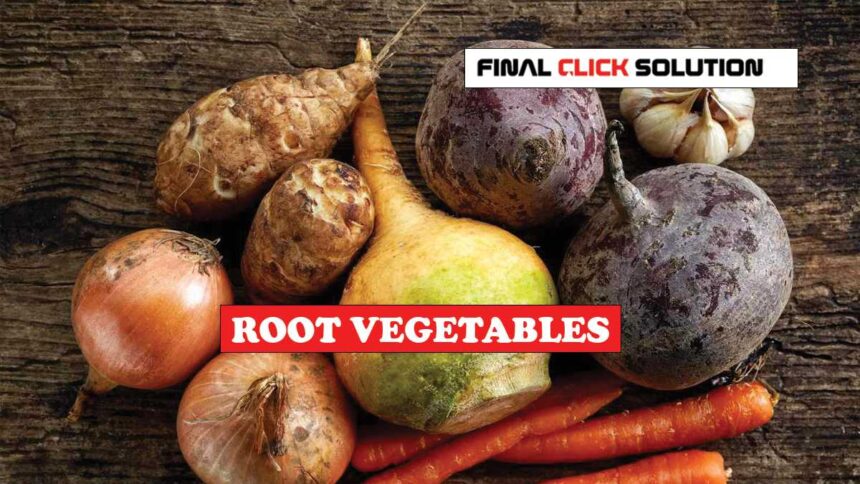
When someone asks me “what are root vegetables,” I always start with the basics. Think carrots, potatoes, beets, turnips, radishes, and sweet potatoes. But the family extends far beyond these common names. We’re talking parsnips, rutabagas, celeriac, jicama, and even ginger and turmeric. Each one brings something unique to the table.
The beauty of these underground crops lies in their incredible diversity. Some are sweet, others peppery. Some have vibrant colors that stain your cutting board, while others, like the white root vegetable varieties such as turnips and parsnips, have a more subtle, earthy flavor profile.
My Personal Journey with Underground Vegetables
About five years ago, I was stuck in a serious cooking rut. Steamed broccoli, grilled chicken, repeat. My doctor mentioned my iron levels were a bit low, and I needed to diversify my diet. That’s when I stumbled upon a farmer’s market on a crisp October morning.
The vendor had this massive display of root crops, many I’d never even heard of. She handed me a knobby celeriac and said, “Trust me on this one.” I took it home, looked up a recipe, and made the most incredible mashed celeriac that evening. It was creamy, slightly nutty, and had this depth of flavor I’d never experienced from mashed potatoes.
That moment changed everything. I started experimenting with one new root vegetable every week. Some attempts were disasters (looking at you, overcooked rutabaga that turned to mush), but most were revelations.
The Incredible Health Benefits Nobody Talks About
Here’s where things get really interesting. These starchy vegetables pack a nutritional punch that most people completely underestimate. During my research phase, I discovered that root vegetables are loaded with fiber, vitamins, and minerals that our bodies desperately need.
Carrots bring beta carotene for eye health. Sweet potatoes overflow with vitamin A. Beets contain nitrates that can help lower blood pressure. Turnips offer vitamin C. The list goes on and on.
But what really caught my attention was their impact on gut health. The fiber content in these underground vegetables acts as a prebiotic, feeding the good bacteria in your digestive system. After incorporating more root crops into my diet, I noticed improved digestion and more sustained energy throughout the day. No more three o’clock energy crashes.
The complex carbohydrates found in these vegetables release energy slowly, unlike refined sugars that spike your blood glucose and leave you crashing an hour later. This makes them perfect for anyone managing their blood sugar levels or simply wanting more stable energy.
Types of Root Vegetables You Need to Know
Let me walk you through my favorite varieties and what makes each special.
Carrots are the gateway root vegetable. Everyone knows them, but have you tried the rainbow varieties? Purple, yellow, and white carrots each have slightly different flavor profiles and antioxidant properties.
Beets were something I avoided for years because I only knew them as those slimy pickled things from a jar. Fresh roasted beets changed my entire perspective. They’re sweet, earthy, and incredibly versatile.
Sweet Potatoes versus regular potatoes is an ongoing debate in my household. I love both, honestly. Sweet potatoes bring natural sweetness and a gorgeous orange color, while traditional potatoes offer that comforting, neutral base that works with everything.
Parsnips look like albino carrots but taste completely different. They have this sweet, almost nutty flavor that intensifies when roasted. They’ve become my secret weapon in root vegetable soup recipes.
Turnips and Rutabagas often get confused. Turnips are smaller with white flesh and a slight peppery bite. Rutabagas are larger, have yellow flesh, and taste sweeter. Both are fantastic when you give them a chance.
Radishes aren’t just for salads. Roasted radishes lose their sharp bite and become mild and slightly sweet. Mind blowing, I know.
Celeriac might win the ugly contest, but beneath that gnarly exterior is creamy, celery flavored flesh that makes incredible soups and purees.
Growing Root Vegetables in Your Own Garden
Last spring, I decided to plant my own small root vegetable garden. If you have even a small patch of soil or some deep containers, you can do this too. The satisfaction of pulling your own carrots from the ground is unmatched.
Root crops generally prefer loose, well drained soil free of rocks. I learned this the hard way when my first batch of carrots came out twisted and forked because they hit clay about four inches down. After amending my soil with compost and sand, the next harvest was picture perfect.
The beautiful thing about growing underground vegetables is that many are quite forgiving. Radishes sprout in days and are ready to harvest in about a month. Carrots take longer but require minimal maintenance. Just water regularly and thin the seedlings so they have room to develop.
Root harvest typically happens in fall, right before the first hard frost. There’s something deeply satisfying about digging in the cool autumn soil and uncovering these hidden treasures. It connects you to centuries of human agriculture in a way that buying pre packaged produce never can.
Best Root Vegetables for Roasting
Now we’re getting to my absolute favorite cooking method. Roasted root vegetables have this caramelized exterior and tender interior that’s pure magic. The dry heat of the oven concentrates their natural sugars, creating these crispy, sweet edges that I could honestly eat every single day.
My go to method is simple. Chop your vegetables into similar sized pieces. Toss with olive oil, salt, pepper, and maybe some fresh herbs like rosemary or thyme. Spread them on a baking sheet in a single layer. This last part is crucial because overcrowding leads to steaming instead of roasting.
Roast at 425 degrees Fahrenheit for about 35 to 45 minutes, stirring halfway through. Different vegetables cook at different rates, so sometimes I’ll start the denser ones like beets and add quicker cooking vegetables like parsnips later.
The combination I always come back to includes carrots, parsnips, sweet potatoes, and red onions. The flavors complement each other perfectly, and the varied colors make for a gorgeous presentation.
Creating the Perfect Root Vegetable Soup
When the temperature drops, nothing beats a hearty root vegetable soup. I’ve experimented with countless variations, and the beauty is that you really can’t mess this up too badly.
Start by sautéing onions and garlic in a large pot. Add your chopped root vegetables. I usually include potatoes for body, carrots for sweetness, and celery root for depth. Pour in vegetable or chicken broth to cover everything. Add herbs like bay leaves and thyme. Simmer until everything is tender, usually about 30 minutes.
Here’s where you make a choice. You can leave it chunky for a rustic feel, or blend it smooth for a velvety texture. I typically blend half and leave half chunky for the best of both worlds.
The white root vegetable varieties like parsnips and turnips add a subtle sweetness to soups without overpowering other flavors. I discovered this by accident when I added too many parsnips to a batch and ended up with the most balanced, naturally sweet soup I’d ever made.
Storage Tips for Winter Vegetables
One major advantage of these underground crops is their incredible shelf life. This is why they were so crucial for survival before modern refrigeration.
Most root vegetables prefer cool, dark, and slightly humid conditions. If you have a basement or cellar, you’re golden. Store them in boxes of sand or sawdust to maintain moisture levels. They can last months this way.
For those of us with only a refrigerator, remove any green tops immediately as they draw moisture from the roots. Store in perforated plastic bags in the crisper drawer. Don’t wash them until you’re ready to use them, as moisture promotes rot.
Potatoes and onions shouldn’t be stored together, as they emit gases that cause each other to spoil faster. I learned this after wondering why my onions were sprouting so quickly.
Sweet potatoes are the exception. They prefer slightly warmer temperatures around 55 to 60 degrees Fahrenheit. I keep mine in a basket in my pantry.
Common Mistakes and How to Avoid Them
Let me save you from some of the blunders I made along the way. First, overcooking is the enemy. Mushy, waterlogged root vegetables are sad and unappetizing. Whether roasting, boiling, or steaming, keep an eye on texture. You want tender, not disintegrated.
Second, don’t fear fat. Root vegetables benefit enormously from some olive oil, butter, or even bacon fat. The fat carries flavors and helps achieve that golden brown exterior we’re after.
Third, season properly. These earthy vegetables can handle bold flavors. Don’t be shy with salt, herbs, and spices. Cumin, paprika, garlic, rosemary, and thyme all work beautifully.
Fourth, consider cooking times when combining different varieties. Beets take longer than carrots. Potatoes outlast radishes. Either cut dense vegetables smaller or add quicker cooking ones later.
Nutritional Powerhouses on a Budget
Here’s something I really appreciate about root crops: they’re incredibly affordable. While trendy superfoods come and go with premium price tags, a five pound bag of carrots or potatoes costs just a few dollars and feeds you for days.
The healthiest root vegetables deliver exceptional nutrition per dollar spent. Sweet potatoes provide massive amounts of vitamin A for pennies per serving. Beets offer unique antioxidants called betalains at bargain prices. Regular potatoes, despite their bad reputation in some diet circles, provide vitamin C, potassium, and resistant starch when cooked and cooled.
Shopping seasonally amplifies these savings. Fall and winter bring peak harvest for most root vegetables, meaning lower prices and better quality.
Delicious Root Vegetable Recipes to Try
Beyond roasting and soup, these versatile ingredients work in countless preparations. I’ve made root vegetable hash for breakfast, spiralized them into noodles for dinner, and even baked them into surprisingly delicious desserts.
Try grating raw beets and carrots for a vibrant slaw. Make crispy baked root vegetable chips as a healthy snack. Mash celery root with butter for a low carb alternative to mashed potatoes. Create a colorful Buddha bowl with roasted rainbow carrots, golden beets, and sweet potato cubes.
One recipe that always impresses guests is a root vegetable gratin. Thinly slice potatoes, sweet potatoes, and celery root. Layer them in a baking dish with cream, garlic, and cheese. Bake until bubbly and golden. It’s comfort food at its finest.
The Cultural Significance Across Cuisines
As I dove deeper into cooking with root vegetables, I discovered how central they are to cuisines worldwide. Irish colcannon features mashed potatoes with cabbage or kale. Russian borscht celebrates beets in all their ruby glory. Japanese cuisine incorporates daikon radish in countless preparations. Latin American cooking relies heavily on yuca and sweet potatoes.
These underground vegetables transcend cultural boundaries because they grow in diverse climates and store well, making them accessible to people across continents and throughout history. There’s something humbling about preparing a simple roasted carrot and knowing that humans have been doing essentially the same thing for thousands of years.
Making Root Vegetables Kid Friendly
I won’t lie, getting kids excited about beets and turnips can be challenging. But I’ve found that presentation and preparation make all the difference. Roasting brings out natural sweetness that appeals to young palates. Cutting vegetables into fun shapes with cookie cutters works wonders. Letting kids help in the kitchen increases their willingness to try new foods.
Sweet potato fries are an obvious winner. Carrot muffins or beet brownies sneak vegetables into treats. Even mashed cauliflower (technically not a root, but often grouped with them) can pass as mashed potatoes when prepared right.
The key is persistence without pressure. Keep offering these nutritious options in different forms, and eventually, most kids will find preparations they enjoy.
Embracing the Root Vegetable Lifestyle
Looking back at my journey from that skeptical moment in my grandmother’s cellar to becoming a full blown root vegetable enthusiast, I’m amazed at how these simple underground crops have enriched my life. They’ve improved my health, expanded my cooking skills, connected me to seasonal eating, and saved me money.
The best root vegetables aren’t exotic or expensive. They’re the humble carrots, potatoes, and beets sitting in your grocery store’s produce section right now, waiting for someone to see their potential. They’re forgiving to cook, pack incredible nutrition, store beautifully, and taste absolutely delicious when prepared with care.
Whether you’re roasting a sheet pan of rainbow carrots, simmering a pot of root vegetable soup on a cold evening, or pulling your first homegrown radish from the garden, these underground treasures offer something special. They ground us, literally and figuratively, connecting us to the earth and to food traditions that span cultures and centuries.
So next time you’re at the market, grab something unfamiliar from the root vegetable section. Try that knobby celeriac or purple turnip. Experiment with roasting, mashing, or souping it. You might just discover your new favorite ingredient hiding beneath the soil, waiting to transform your meals and nourish your body in ways you never expected.