

The best diet for menopause emphasizes calcium- and protein-rich foods to protect bone and muscle mass, phytoestrogen-containing foods like soy and flaxseed that may ease some symptoms, fiber and healthy fats to support heart health and weight management, and limiting alcohol, caffeine, and added sugar, which commonly worsen hot flashes and sleep disruption. There’s no single official “menopause diet,” but eating patterns like the Mediterranean diet, combined with targeted attention to calcium, vitamin D, and protein intake, have the strongest research support for managing symptoms and reducing long-term health risks that rise after menopause, including osteoporosis and cardiovascular disease.
This guide covers why diet matters more during menopause, the best foods to prioritize, foods that commonly worsen symptoms, a sample day of eating, and answers to common questions about managing menopause through nutrition.
Why Does Diet Matter So Much During Menopause?
The drop in estrogen during menopause affects far more than reproductive symptoms — it accelerates bone density loss, shifts fat storage toward the abdomen, changes cholesterol patterns in a less favorable direction, and can worsen sleep and mood. Diet is one of the most direct, controllable tools for offsetting these shifts: adequate calcium and vitamin D help protect against the accelerated bone loss of the menopausal transition, sufficient protein helps counter the muscle mass decline that speeds up during this period, and certain foods and habits can meaningfully reduce the frequency or intensity of hot flashes and night sweats for many people.
Best Foods for Menopause
- Calcium-rich foods (dairy, fortified plant milks, leafy greens, tofu made with calcium sulfate) to help protect bone density during a period of accelerated bone loss
- Protein at every meal (lean meat, fish, eggs, legumes, dairy) to help counter the age- and estrogen-related decline in muscle mass
- Phytoestrogen-containing foods (soy, flaxseed, chickpeas, lentils), which contain plant compounds that weakly mimic estrogen and may modestly ease hot flashes for some people
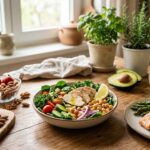
- Fiber-rich whole grains, fruits, and vegetables, which support digestion, help manage weight, and support the more favorable cholesterol profile that becomes harder to maintain after menopause
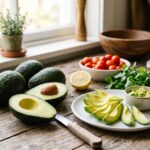
- Healthy fats (olive oil, nuts, avocado, fatty fish) to support heart health, which becomes a bigger priority once estrogen’s protective cardiovascular effect declines
- Vitamin D sources (fatty fish, fortified foods, sensible sun exposure, or a supplement), since it works alongside calcium for bone protection
Foods and Habits That Commonly Worsen Menopause Symptoms
- Alcohol, a commonly reported trigger for hot flashes and can disrupt already fragile sleep during this period
- Caffeine, particularly later in the day, which can worsen sleep disruption and, for some, trigger hot flashes
- Spicy foods, a reported trigger for hot flashes in some individuals, though this varies
- Added sugar and refined carbohydrates, which can worsen the abdominal weight gain and blood sugar shifts common in this life stage
- Excess sodium, which can be a bigger concern as blood pressure risk tends to rise post-menopause
Sample One-Day Menopause-Friendly Meal Plan
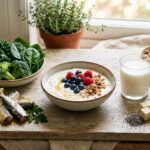
- Breakfast: Greek yogurt with flaxseed, berries, and a sprinkle of walnuts
- Lunch: Lentil and vegetable salad with olive oil dressing and a side of whole grain bread
- Snack: Edamame or a handful of almonds
- Dinner: Baked salmon, steamed broccoli, and a small serving of quinoa
- Evening: A calcium-fortified plant milk or a small serving of cottage cheese
Does Soy Help With Menopause Symptoms?
Soy contains isoflavones, a type of phytoestrogen, and research on soy for hot flash relief shows modest, inconsistent benefit — some studies find a meaningful reduction in frequency and severity, while others find little effect, and the response appears to vary by individual, possibly related to differences in gut bacteria that affect how isoflavones are metabolized. Whole soy foods like edamame, tofu, and tempeh are generally considered safe for most people, including those with a history of hormone-sensitive conditions, though anyone with specific concerns should discuss this with their doctor individually.
Managing Weight Changes During Menopause
Many people notice weight gain, particularly around the abdomen, during the menopausal transition, driven by hormonal shifts, age-related muscle loss slowing metabolism, and often reduced activity levels. Rather than more restrictive dieting, the most effective approach tends to combine adequate protein intake to preserve muscle mass, strength training to counter muscle loss, and a moderate, sustainable calorie approach rather than aggressive restriction, since very low-calorie diets can worsen muscle loss and aren’t well suited to this life stage.
Do Supplements Help With Menopause?
Some supplements have research support as complements to diet, including calcium and vitamin D, often recommended together for bone protection when dietary intake alone falls short, and omega-3 fatty acids, which may support heart and mood health during this period. Black cohosh and other herbal supplements marketed for hot flashes have mixed and generally weaker evidence, and should be discussed with a doctor before use, particularly given potential interactions with other medications.
Common Mistakes When Managing Menopause Through Diet
- Under-eating protein, which accelerates the muscle mass decline already happening during this life stage
- Assuming calcium supplements alone are enough without adequate vitamin D or dietary calcium sources
- Cutting calories too aggressively in response to weight gain, which can worsen muscle loss and fatigue
- Ignoring alcohol and caffeine as hot flash and sleep triggers
- Relying on soy or herbal supplements as a standalone fix rather than part of an overall diet pattern
When to See a Doctor or Dietitian
It’s worth talking to a doctor if hot flashes, sleep disruption, or mood changes are significantly affecting quality of life, since medical options like hormone therapy exist alongside dietary approaches. A bone density scan is also commonly recommended around this life stage, and a registered dietitian can help build an individualized eating plan, particularly for anyone managing other conditions like high cholesterol, high blood pressure, or diabetes alongside the menopausal transition.
Frequently Asked Questions
What foods should be avoided during menopause?
There’s no food that must be eliminated entirely, but limiting alcohol, caffeine, added sugar, and excess sodium has the most consistent link to easier symptom management and lower long-term health risk during menopause.
Can diet stop hot flashes completely?
Diet changes can reduce the frequency or intensity of hot flashes for some people, particularly by limiting alcohol, caffeine, and spicy food triggers, but they don’t eliminate hot flashes entirely for most people, and more significant symptoms may need a discussion about medical treatment options.
How much calcium do I need during menopause?
Calcium needs typically increase after menopause compared to earlier adulthood, given accelerated bone loss, though exact recommendations vary by age and individual risk factors. See our calcium rich foods guide for specific daily targets and food sources.
Is intermittent fasting safe during menopause?
Some people tolerate intermittent fasting well during menopause, but it isn’t universally recommended, since some research suggests it can be harder on hormone balance and sleep for certain individuals during this transition. It’s worth discussing with a doctor or dietitian before starting, particularly if sleep or energy is already a challenge.
Does menopause weight gain go away with diet alone?
Diet plays a major role, but combining adequate protein intake with strength training tends to be more effective than diet changes alone, since preserving and building muscle mass helps offset the metabolic slowdown that contributes to menopausal weight gain.
Are dairy products necessary for bone health during menopause?
Dairy is a convenient calcium source, but it isn’t strictly necessary — fortified plant milks, leafy greens, tofu made with calcium sulfate, and other non-dairy sources can meet calcium needs as long as intake is adequate overall.
Related Reading
- Calcium rich foods for bone health: best sources and daily needs
- Mediterranean diet meal plan: a full week of meals and how to start
- Vitamin D rich foods: best sources, daily needs, and why deficiency is so common
- Whey protein vs plant protein: which should you choose?
Informational only — not medical advice. See a doctor or registered dietitian for a personalized menopause management plan, especially if symptoms are significantly affecting your quality of life or you have other health conditions.