
Bloating causes and relief start with a simple question: is your abdomen full of gas, retaining fluid, or physically distended? For most people, bloating after eating is uncomfortable but short-lived. It can still disrupt meals, sleep, and confidence when it happens often. This guide explains common triggers, foods that cause bloating, practical ways to get rid of bloating fast, and how bloating differs from abdominal distension that needs medical attention.
This article is general health information, not a diagnosis or treatment plan. If symptoms are severe, persistent, or accompanied by red flags, see a clinician.
Quick answer: what causes bloating after eating?
Bloating after eating usually comes from swallowed air, gas produced when gut bacteria ferment carbohydrates, slowed digestion, constipation, or sensitivity to certain foods. Hormonal shifts, stress, and some medicines also play a role. Relief often improves when you eat more slowly, adjust high-FODMAP or gas-producing foods, move after meals, and address constipation—but the right fix depends on the cause.
What bloating feels like
People describe bloating as pressure, fullness, tightness, or visible swelling in the upper or lower abdomen. Belching, flatulence, cramping, and the urge to loosen clothing are common. Symptoms may start during a meal or within one to three hours afterward. Occasional bloating after a large or rich meal is not unusual. Daily bloating, pain that limits activities, or symptoms that worsen over months deserves a structured evaluation.
Bloating vs abdominal distension: know the difference
Bloating is the sensation of fullness or tightness. You may feel inflated even when your abdomen looks normal.
Abdominal distension means measurable or visible enlargement of the belly. You can have bloating without much visible change, or distension with only mild discomfort.
That distinction matters clinically. Distension that is progressive, painless at first, or paired with weight loss, anemia, blood in stool, fever, or difficulty eating is not something to treat with peppermint tea alone. Conditions such as ascites, bowel obstruction, ovarian pathology, or inflammatory bowel disease can present with distension. A clinician can examine you and decide whether imaging or labs are appropriate.
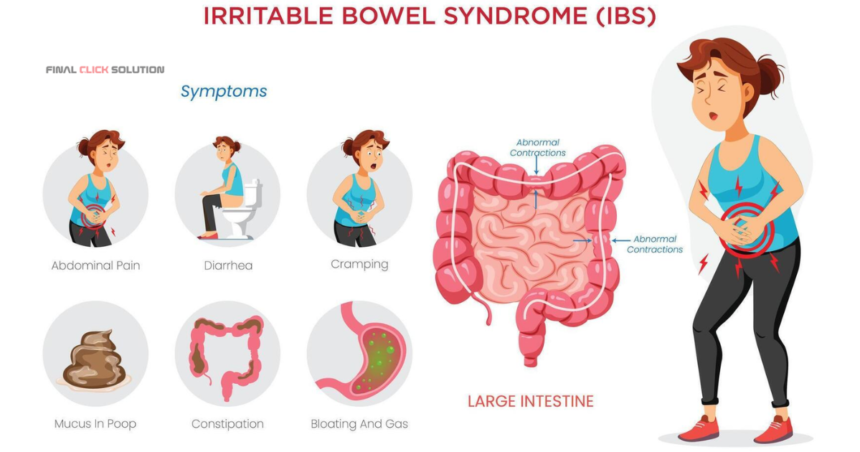
Functional bloating—common in irritable bowel syndrome—is real and treatable, but it should be a diagnosis of careful exclusion when red flags are present. For background on IBS patterns that overlap with bloating, see our guide to IBS symptoms, triggers, and relief.
Main bloating causes after eating
1. Swallowed air (aerophagia)
Chewing gum, drinking through straws, talking while eating, fizzy drinks, and eating too quickly increase swallowed air. That air must exit as belching or flatulence. Slowing down and reducing carbonated beverages are low-risk first steps.
2. Gas from fermentation
Beans, lentils, cruciferous vegetables, onions, garlic, and some whole grains contain carbohydrates that human enzymes do not fully break down. Gut bacteria ferment them, producing hydrogen, methane, or hydrogen sulfide gas. Gradual portion increases and thorough cooking can help tolerance.
3. FODMAPs and food sensitivities
Fermentable oligosaccharides, disaccharides, monosaccharides, and polyols (FODMAPs) draw water into the intestine and feed gas-producing bacteria. Lactose in dairy, fructose in some fruits, and sugar alcohols in “sugar-free” products are frequent culprits. A short structured low-FODMAP trial under dietitian guidance is more reliable than eliminating random foods for months.
4. Constipation and slow transit
When stool sits longer, bacteria have more time to ferment residue and gas pools behind blockages. Straining, hard stools, or fewer than three bowel movements per week suggest constipation is contributing. Fiber, fluids, and movement help many people; osmotic laxatives or clinician-guided plans may be needed if habits alone fail.
5. Fatty or large meals
High-fat meals delay stomach emptying. A big restaurant portion can leave you feeling stuffed for hours. Smaller, more frequent meals and mindful pacing reduce post-meal pressure.
6. Hormones and the menstrual cycle
Progesterone can slow gut motility. Fluid retention before menstruation can add to the sensation of swelling. Tracking symptoms across two or three cycles helps separate hormonal patterns from food triggers.
7. Stress and the gut-brain axis
Stress changes motility, sensitivity, and how the brain interprets normal gut sensations. Bloating often flares during exams, grief, or poor sleep. Basic mental-health support—sleep, connection, realistic routines—can complement dietary changes. See mental health habits that support overall well-being as general background, not as a substitute for gut-specific care.
8. Medicines and supplements
Opioids, some antidepressants, iron tablets, fiber supplements started too quickly, and magnesium can affect gas and stool patterns. Review new medicines with a pharmacist or prescriber if bloating began after a change.
Foods that cause bloating (and what to try instead)
No single list fits everyone, but these foods commonly contribute:
- Legumes: chickpeas, black beans, baked beans—rinse canned beans; start with small portions
- Crucifers: broccoli, cauliflower, cabbage—cook thoroughly; try smaller servings
- Onions and garlic: high FODMAP—garlic-infused oil may be tolerated when whole garlic is not
- Apples, pears, stone fruits: excess fructose in sensitive people
- Dairy: if lactose intolerant—lactose-free milk or hard aged cheeses may be easier
- Wheat and rye: in some people with IBS or non-celiac sensitivity—not automatic celiac disease
- Sugar alcohols: sorbitol, mannitol, xylitol in gum and “diet” products
- Carbonated drinks: beer, soda, sparkling water—gas in and gas produced
- Chewing gum and hard candy: swallowing air plus sweeteners
Water-rich produce can still be part of a comfortable diet. Our hydrating foods guide highlights options that support fluid balance without relying on fizzy drinks. Simple salads with cucumber or gentle fruit can work when portions and dressing choices are thoughtful—see ideas in our cucumber pineapple salad recipe as one light option, not a cure.
How to get rid of bloating fast (safely)
“Fast” relief should mean hours, not seconds, and should not involve unproven cleanses or laxative stacking.
- Walk 10–15 minutes after eating to stimulate motility.
- Loosen tight clothing and sit upright rather than slouching.
- Sip warm water or peppermint tea if reflux is not your main issue—peppermint can worsen heartburn in some people.
- Try simethicone (anti-gas drops) for gas bubbles per label directions.
- Use a heating pad on low for cramping, not for unexplained severe pain.
- Belch or pass gas when needed—holding it in increases pressure.
- If constipation is obvious, address stool with fiber, fluids, and clinician-approved laxatives rather than repeated stimulant laxatives.
Activated charcoal, apple cider vinegar shots, and “detox” teas are popular online but have weak or inconsistent evidence and can cause constipation or interact with medicines. Skip miracle claims.
Longer-term bloating relief strategies
Eating mechanics
Chew thoroughly, put utensils down between bites, and stop at comfortable fullness. Avoid lying flat within two to three hours of dinner if reflux coexists.
Fiber done gradually
Abruptly jumping to high-fiber cereals or supplements often worsens gas before it helps. Increase by a few grams per week with adequate water.
Fluid and dehydration
Low fluid intake can harden stool and worsen bloating. Thirst, headache, and dark urine may signal you need more fluids—review dehydration symptoms if you are unsure.
Probiotics: selective, not magic
Some strains reduce gas in specific studies; others do nothing or temporarily increase gas. If you trial a probiotic, use one product consistently for four weeks, then reassess. Probiotics are not regulated like medicines.
Movement and core comfort
Regular walking, yoga, and gentle stretching support motility. Extreme core exercises immediately after a large meal are rarely comfortable.
Food diary with structure
Record meal timing, portions, symptoms, stress, and cycle day for two weeks. Look for patterns rather than banning entire food groups on one bad day.
When bloating may overlap with other conditions
Bloating after coffee or acidic foods may coexist with reflux or gastritis. If burning rises toward the chest, read about stomach pain after coffee and consider whether acidic or caffeinated drinks are part of your pattern.
Celiac disease, inflammatory bowel disease, small intestinal bacterial overgrowth (SIBO), gastroparesis, and pelvic floor dysfunction all can cause chronic bloating. Testing is clinician-directed. Self-diagnosing SIBO from breath tests sold online often leads to unnecessary antibiotics.
Red flags: see a clinician promptly
- Persistent or worsening abdominal distension
- Blood in stool, black tarry stools, or vomiting blood
- Unintentional weight loss, fever, or night sweats
- Severe or sudden abdominal pain
- Difficulty swallowing, anemia, or family history of colon cancer or celiac disease with new symptoms
- Bloating that began after age 50 without clear dietary cause
Questions to ask your doctor or dietitian
- Could this be IBS, constipation, or a food intolerance—and how do we test?
- Should I try a low-FODMAP diet with professional guidance?
- Do any of my medicines contribute?
- Are celiac serology or other labs appropriate?
- When would imaging be reasonable?
Frequently asked questions
Why do I get bloating after eating even small meals?
Small meals can still trigger bloating if you eat quickly, swallow air, have constipation, or are sensitive to specific ingredients such as lactose, onions, or sugar alcohols. Functional gut disorders and stress also lower the threshold for discomfort after little food.
How can I get rid of bloating fast after dinner?
Take a short walk, loosen tight clothing, sip water or peppermint tea if reflux is not dominant, and allow gas to pass. Avoid lying flat immediately. If constipation is present, address stool with fluids and appropriate fiber rather than repeated laxatives.
What foods cause bloating most often?
Common contributors include beans, cruciferous vegetables, onions, garlic, dairy in lactose-intolerant people, wheat in some sensitive individuals, sugar alcohols, and carbonated beverages. Personal triggers vary; a structured diary beats copying generic lists.
What is the difference between bloating and abdominal distension?
Bloating is the feeling of fullness or tightness. Abdominal distension is visible or measurable swelling of the belly. You can have one without the other. New or progressive distension with systemic symptoms needs medical evaluation.
Related reading
- IBS symptoms, triggers, and relief
- Why coffee can upset your stomach
- Dehydration symptoms to know
- Hydrating foods for digestion support
- Acid reflux symptoms and remedies
Disclaimer
This article explains bloating causes and relief for general education. It is not medical advice, diagnosis, or treatment. Seek professional care for severe, persistent, or worrying symptoms. A registered dietitian or clinician can personalize elimination trials and testing.