

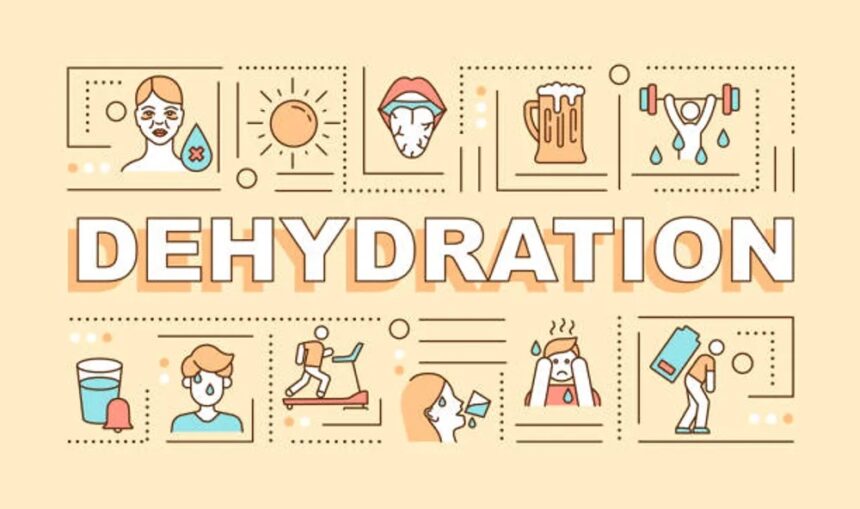
I’ll never forget the day I collapsed during a summer hiking trip in Arizona. One moment I was admiring the red rocks, and the next, I was waking up with my friends hovering over me, concern etched across their faces. The culprit? Severe dehydration. That experience taught me a valuable lesson about recognizing dehydration symptoms before they become dangerous, and it’s a story I share often because it could happen to anyone.
Your body is roughly 60% water, which means staying properly hydrated isn’t just a health suggestion, it’s absolutely critical for survival. Yet millions of people walk around every day experiencing signs of dehydration without even realizing it. I used to be one of them, brushing off headaches and fatigue as just part of my busy lifestyle. Turns out, my body was screaming for something much simpler than more coffee: plain old water.
Understanding What Happens When Your Body Loses Fluids
Before we dive into the specific warning signs, let me paint a picture of what’s actually happening inside your body when you’re not drinking enough water. Think of your cells like little water balloons that need to stay plump and full to function properly. When fluid loss occurs, these balloons start deflating, and everything from your brain function to your kidney performance takes a hit.
The human body loses water constantly through breathing, sweating, urination, and even just existing. On an average day, you lose about two to three liters of water. That’s why consistent water intake throughout the day matters so much more than chugging a gallon right before bed.
The 10 Signs of Dehydration You Cannot Ignore
Let me walk you through the most common and critical signs of dehydration in adults, based on both medical research and my own painful learning experiences.
1. Thirst and Dry Mouth
This one seems obvious, right? But here’s the thing I learned the hard way: by the time you feel thirsty, you’re already mildly dehydrated. Your mouth feels like you’ve been chewing cotton, your lips are cracked, and no amount of lip balm seems to help. I remember sitting in meetings, constantly sipping water because my mouth felt so dry, not realizing this was my body’s desperate cry for better hydration habits throughout the day, not just quick fixes.
2. Dark Urine Color
Your urine is like a built-in hydration meter. When I started paying attention to this after my hiking incident, I was shocked at how often my urine was dark yellow or amber colored. Healthy, well-hydrated urine should be pale yellow, almost like lemonade. Dark urine that looks more like apple juice? That’s a clear sign you need more fluids, and fast. This is one of the easiest early warning signs to monitor, and I now check every single time.
3. Severe Headache and Dizziness
Can dehydration cause dizziness? Absolutely, and it can happen faster than you think. I used to blame my afternoon headaches on stress or too much screen time. Then I started tracking my water consumption and realized that on days when I drank less than six glasses of water, I almost always developed a pounding dehydration headache by 3 PM. The brain is about 75% water, so when you’re dehydrated, it literally shrinks away from your skull, triggering pain receptors. Not a pleasant image, I know.
4. Lack of Energy and Extreme Fatigue
Ever feel like you could fall asleep standing up, even after a full night’s rest? Before you reach for that third cup of coffee, consider this: lack of fluids is one of the most common but overlooked causes of fatigue. When I started drinking water first thing in the morning instead of immediately brewing coffee, my energy levels transformed. Does tea dehydrate you? Not necessarily, but it’s also not as hydrating as pure water, especially if you’re drinking multiple caffeinated cups throughout the day.
5. Decreased Skin Elasticity
Here’s a simple test I learned from a nurse friend: pinch the skin on the back of your hand and let go. Does it snap back immediately, or does it stay tented for a second or two? That delayed response indicates poor hydration levels. I started noticing this during dry winter months when I foolishly thought I didn’t need as much water because I wasn’t sweating. Wrong assumption.
6. Rapid Heart Rate and Palpitations
Can dehydration cause heart palpitations? This one scared me the most when I first experienced it. Your heart has to work harder when your blood volume decreases due to dehydration, which can lead to an increased heart rate or that fluttery feeling in your chest. I once rushed to urgent care convinced something was seriously wrong with my heart, only to have the doctor ask when I’d last had a full glass of water. The answer was embarrassingly “this morning,” and it was already 4 PM.
7. Chest Discomfort and Breathing Changes
Can dehydration cause chest pain? While it’s not the most common symptom, it definitely can happen, especially if you’re experiencing electrolyte imbalance alongside fluid loss. I’ve felt a tightness in my chest during particularly bad dehydration episodes, which only added to my anxiety. Of course, chest pain should always be evaluated by a medical professional to rule out serious conditions, but dehydration can absolutely contribute to unusual sensations in your chest area.
8. Nausea and Digestive Issues
Dehydration nausea is real and miserable. Your digestive system needs water to function properly, and when it doesn’t have enough, everything slows down. I’ve experienced waves of nausea during hot summer days when I hadn’t been drinking enough, feeling like I might throw up even though I hadn’t eaten anything unusual. Water helps produce saliva and stomach secretions necessary for digestion, so when you’re running low, your stomach protests.
9. Confusion and Difficulty Concentrating
When to see a doctor for dehydration often depends on mental status changes. Mild confusion or brain fog is one thing, but severe confusion is a medical emergency. I remember trying to write an important email during a bout of dehydration and reading it back later, only to find it was nearly incomprehensible. My brain simply wasn’t firing on all cylinders because it didn’t have the fluids it needed.
10. Decreased Urination Frequency
Going fewer than four times a day? That’s a red flag. When I started tracking my bathroom visits along with my water intake, the correlation was striking. On well-hydrated days, I’d visit the restroom six to eight times. On poorly hydrated days? Maybe three times, with concentrated, dark urine each time.
How Dehydration Affects Your Body Systems
Understanding how does dehydration affect the body helped me take hydration more seriously. Let me break down what happens to various systems when you’re not drinking enough.
Impact on Blood Pressure
The relationship between dehydration and blood pressure is complex and somewhat counterintuitive. Can dehydration cause high blood pressure? Actually, severe dehydration typically causes low blood pressure initially because you have less blood volume. However, your body compensates by constricting blood vessels, which can eventually lead to increased blood pressure. I learned this after a concerning doctor’s visit where my blood pressure was unusually high, and my physician’s first question was about my daily water consumption.
Effects on Kidney Function
Here’s something that really motivated me to stay hydrated: dehydration causes kidney stones. When you don’t drink enough water, minerals in your urine crystallize and form stones. Having heard horror stories from friends who’ve passed kidney stones, I decided I’d rather carry around a water bottle than ever experience that agony. Your kidneys need adequate fluid to filter waste effectively, and chronic dehydration puts enormous stress on these vital organs.
Temperature Regulation Problems
Does dehydration cause fever? Not exactly, but it impairs your body’s ability to regulate temperature. Can dehydration cause high fever? Severe dehydration in extreme heat can lead to heat stroke, which absolutely causes dangerous elevations in body temperature. During my Arizona incident, my body temperature had climbed to 103 degrees, not because I had an infection, but because I couldn’t sweat effectively anymore due to fluid depletion.
Recognizing Dehydration Symptoms in Different Situations
Not all dehydration looks the same, and context matters enormously when you’re trying to figure out if you need more water.
During Exercise and Physical Activity
I used to hit the gym hard, thinking that sweating profusely was just a sign of a good workout. And while that’s partially true, I wasn’t replacing those lost fluids adequately. Early warning signs of dehydration during exercise include muscle cramps, excessive sweating that suddenly stops, and feeling lightheaded when you stand up. Now I drink water before, during, and after workouts, and my performance has improved dramatically.
In Hot Weather Conditions
Summer is when most people think about hydration, but it’s also when we’re most likely to underestimate how much we’re losing. Water dehydrates through every breath, every bead of sweat, and if you’re not consciously replacing it, you’ll fall behind quickly. I now set hourly reminders on my phone during hot days to take several sips of water, even if I don’t feel particularly thirsty.
When You’re Sick
Illness compounds dehydration risks because you’re losing fluids through fever, vomiting, or diarrhea while simultaneously having less desire to drink. I learned this during a nasty stomach bug when I became so dehydrated that I needed IV fluids at the emergency room. Now, whenever I’m sick, I keep a water bottle at my bedside and force myself to take small sips constantly.
Common Hydration Myths I Stopped Believing
Let me clear up some misconceptions that delayed my own hydration awareness.
The Coffee and Tea Debate
Can tea dehydrate you? I used to think my morning tea counted fully toward my hydration goals, but the truth is more nuanced. While caffeinated beverages do contribute to your daily fluid intake, caffeine has mild diuretic effects, meaning you’ll lose some of that fluid through increased urination. Does tea dehydrate you completely? No, but it’s not as efficient as water for pure hydration purposes. I still enjoy my morning tea, but I follow it with a glass of water.
The Eight Glasses Rule
You’ve heard it a million times: drink eight glasses of water daily. But this is overly simplistic. Your actual needs depend on your body size, activity level, climate, and overall health. Some days I need ten or twelve glasses, especially if I’m exercising or it’s particularly hot. Other days, maybe six or seven suffice. Listen to your body rather than following arbitrary rules.
How to Tell If You’re Dehydrated Right Now
Want to know your current hydration status? Here’s what I do for a quick self-assessment. Check your urine color first thing in the morning. Press on your fingernail until it turns white, then release and see how quickly the color returns (should be under two seconds). Notice if you have a headache, feel sluggish, or have that sticky feeling in your mouth. If you’re experiencing multiple signs, start drinking water immediately.
When Dehydration Becomes a Medical Emergency
Mild vs severe dehydration symptoms can mean the difference between drinking some water and calling 911. I cannot stress this enough: if someone shows signs of severe confusion, cannot keep down any fluids, has a rapid weak pulse, isn’t producing urine, or appears to be going into shock, this is a medical emergency requiring immediate professional intervention.
Interestingly, there’s also a connection I discovered between extreme dehydration and unusual symptoms. For instance, some research suggests heart attack eye symptoms can include changes in vision, and severe dehydration can also cause visual disturbances, making it crucial to consider all factors when someone experiences chest pain and vision changes together.
My Personal Hydration Strategy That Actually Works
After years of struggling with chronic mild dehydration, I finally developed a system that works for my lifestyle. I fill a large water bottle every morning and finish it by noon, then refill for the afternoon. I drink a full glass of water before every meal. I keep water bottles in my car, at my desk, and on my nightstand. These simple environmental changes removed all friction from staying hydrated.
I also started eating more water-rich foods like cucumbers, watermelon, oranges, and lettuce. These contribute to overall hydration and make meeting my fluid needs less daunting than chugging glass after glass of plain water all day long.
The Bottom Line on Staying Properly Hydrated
Looking back at my hiking incident, I realize how preventable it was. All those warning signs were there: the headache building through the morning, the decreased urination, the growing fatigue I attributed to the altitude. I ignored what my body was clearly communicating because I didn’t understand the importance of hydration or recognize the symptoms.
Your body is incredibly resilient, but it needs your cooperation. Water isn’t just some health trend promoted by wellness influencers; it’s fundamental to every single process happening in your body right now. From regulating your temperature to cushioning your joints, from delivering nutrients to your cells to flushing out toxins, water makes it all possible.
The good news? Preventing dehydration is completely within your control and costs almost nothing. You don’t need fancy electrolyte drinks for everyday hydration (though they have their place during intense exercise or illness). You just need consistent, adequate plain water throughout your day.
Start paying attention to those subtle signals your body sends. That afternoon energy crash might not need a coffee fix but rather a tall glass of water. That persistent headache might resolve with hydration rather than pain medication. Those heart palpitations that worry you might calm down once you restore your fluid balance.
I’ve shared my story because dehydration is one of those health issues that seems too simple to be serious until it becomes serious. Don’t wait for a dramatic collapse or an emergency room visit to take your hydration seriously. Start today, start now, by finishing this article and immediately drinking a full glass of water. Your body will thank you, trust me.