

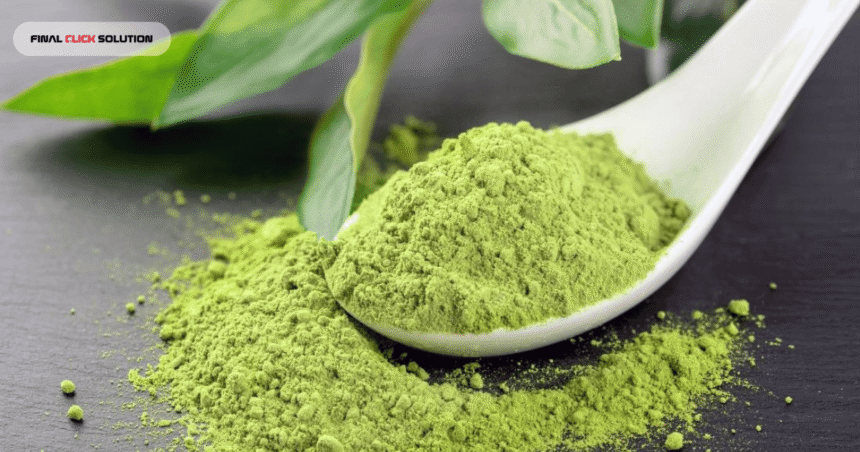
What is Inside Matcha?
Matcha has taken the wellness world by storm. From traditional tea ceremonies to modern lattes and smoothies, this vibrant green powder has become a symbol of mindful living and clean energy. But beyond its striking color and earthy flavor, many people ask the same question: What is Inside Matcha?
Unlike regular green tea, matcha is made from finely ground whole tea leaves. When you drink matcha, you are consuming the entire leaf rather than just an infusion. This fundamental difference dramatically changes its nutritional profile, antioxidant strength, and overall health impact.
To truly understand what is inside matcha, we need to explore its cultivation, composition, and bioactive compounds. From powerful antioxidants to calming amino acids, matcha contains a unique combination of nutrients that work together to support both body and mind.
The Origin of Matcha and Why It Matters
Before exploring what is inside matcha, it’s important to understand how it is grown and processed.
Matcha comes from the same plant as green tea: Camellia sinensis. However, its cultivation process is very different. Several weeks before harvest, farmers shade the tea plants from direct sunlight. This shading technique increases chlorophyll production and enhances the levels of certain amino acids, particularly L-theanine.
After harvesting, the leaves are steamed, dried, and stone-ground into an ultra-fine powder. Because the whole leaf is consumed, matcha delivers higher concentrations of nutrients compared to steeped green tea.
The shading process and whole-leaf consumption are key factors in determining what is inside matcha and why it offers such a concentrated source of beneficial compounds.
Primary Components: What is Inside Matcha?
To answer the question what is inside matcha, we must look at its core nutritional and biochemical components.
Chlorophyll
One of the first noticeable characteristics of matcha is its bright green color. This comes from chlorophyll, a natural pigment that helps plants convert sunlight into energy.
Because matcha leaves are shade-grown, they produce higher chlorophyll levels. Chlorophyll is often associated with detoxifying properties and may help support the body’s natural cleansing processes.
Higher chlorophyll levels are one of the visible signs of what is inside matcha and why high-quality matcha appears vibrant rather than dull or yellowish.
Catechins (Powerful Antioxidants)
When discussing what is inside matcha, catechins deserve special attention. Catechins are a type of antioxidant found in green tea, but matcha contains them in much higher concentrations.
The most important catechin in matcha is EGCG (epigallocatechin gallate). EGCG is known for its strong antioxidant properties and has been widely studied for its potential role in supporting heart health, metabolism, and cellular protection.
Because you consume the entire leaf in powdered form, matcha can contain significantly more catechins than standard green tea.
L-Theanine
Another critical component in understanding what is inside matcha is L-theanine, an amino acid responsible for matcha’s calming yet focused energy effect.
L-theanine works by promoting alpha brain wave activity. This creates a state of relaxed alertness, often described as calm focus. It helps balance the stimulating effects of caffeine, preventing the jitteriness commonly associated with coffee.
The combination of L-theanine and caffeine is one of the most unique aspects of what is inside matcha, making it a popular alternative to coffee.
Caffeine
Yes, matcha contains caffeine. However, its caffeine experience is different from coffee.
A typical serving of matcha contains moderate caffeine levels, generally less than a standard cup of coffee. Because of the presence of L-theanine, caffeine is released more gradually into the bloodstream. This leads to sustained energy without a sudden crash.
When evaluating what is inside matcha, it’s important to understand that caffeine is part of a broader synergy rather than a standalone stimulant.
Vitamins and Minerals in Matcha
Beyond antioxidants and amino acids, what is inside matcha also includes essential vitamins and minerals.
Vitamin C
Matcha contains small amounts of vitamin C, which supports immune function and skin health.
Vitamin A
Derived from beta-carotene, vitamin A supports vision and cellular health.
Vitamin K
Vitamin K contributes to healthy blood clotting and bone metabolism.
B-Complex Vitamins
Matcha includes trace amounts of B vitamins, which assist in energy metabolism.
Minerals
Matcha also provides minerals such as:
- Potassium
- Calcium
- Iron
- Magnesium
- Zinc
Because matcha is consumed as a whole leaf powder, these nutrients are delivered in concentrated form compared to brewed tea.
Dietary Fiber Content
A surprising part of what is inside matcha is dietary fiber.
Since you ingest the entire leaf, matcha contains small amounts of natural fiber. While not enough to replace traditional fiber sources, it contributes to digestive health and supports gut function.
This is another example of how matcha differs nutritionally from regular green tea.
Plant Compounds and Phytochemicals
Matcha is rich in plant compounds known as polyphenols. These compounds are responsible for many of its antioxidant properties.
When asking what is inside matcha, polyphenols are a major part of the answer. They help neutralize free radicals, reduce oxidative stress, and support long-term wellness.
The dense concentration of phytochemicals in matcha makes it one of the most antioxidant-rich beverages available.
Caloric and Macronutrient Profile
Matcha is naturally low in calories. A standard serving typically contains:
- Minimal carbohydrates
- Trace protein
- Very low fat
- Almost no sugar
What is inside matcha nutritionally makes it suitable for various dietary lifestyles, including plant-based, low-carb, and calorie-conscious diets.
How Quality Affects What is Inside Matcha
Not all matcha is created equal.
Ceremonial Grade
Ceremonial-grade matcha is made from the youngest leaves. It has a smoother taste, brighter color, and higher amino acid content.
Culinary Grade
Culinary-grade matcha is slightly more bitter and often used in baking, smoothies, and cooking.
The quality and processing methods directly influence what is inside matcha. Poor-quality matcha may contain fewer antioxidants and more bitterness due to older leaves.
The Synergistic Effect of Matcha’s Components
One reason matcha is unique lies in how its compounds work together.
The caffeine stimulates alertness.
L-theanine promotes calm.
Catechins protect cells.
Chlorophyll supports detox pathways.
Vitamins and minerals enhance overall health.
This synergy is central to understanding what is inside matcha. It is not just a single compound that provides benefits, but the interaction between many bioactive components.
Matcha Compared to Regular Green Tea
To better understand what is inside matcha, it helps to compare it with traditional green tea.
With regular green tea:
- Leaves are steeped and discarded.
- Many nutrients remain in the leaf.
With matcha:
- Leaves are ground into powder.
- Entire leaf is consumed.
- Nutrient intake is significantly higher.
This difference explains why matcha often has stronger antioxidant levels and a more potent effect.
Potential Health Implications of What is Inside Matcha
The components found inside matcha have been associated with several health-supporting properties.
Metabolic Support
EGCG and caffeine may help support metabolic activity and fat oxidation.
Cognitive Focus
The L-theanine and caffeine combination enhances attention and mental clarity.
Heart Health
Catechins are often studied for their potential cardiovascular benefits.
Stress Management
L-theanine contributes to reduced stress perception and improved relaxation.
While matcha is not a cure-all, understanding what is inside matcha helps explain why it is often considered a functional beverage.
Does Matcha Contain Sugar or Additives?
Pure matcha powder contains no added sugar or artificial ingredients.
However, many commercial matcha drinks and flavored powders may include sweeteners, dairy powders, or flavorings. When evaluating what is inside matcha, always check the ingredient list to ensure you are purchasing pure matcha.
How Storage Affects What is Inside Matcha
Matcha is sensitive to light, heat, and air. Improper storage can degrade its antioxidants and flavor.
To preserve what is inside matcha:
- Store in an airtight container.
- Keep in a cool, dark place.
- Refrigerate after opening if possible.
Fresh matcha should have a bright green color and fresh vegetal aroma.
Understanding the Bigger Picture
So, what is inside matcha?
It contains:
- High levels of catechins like EGCG
- L-theanine for calm focus
- Moderate caffeine
- Chlorophyll
- Vitamins and minerals
- Fiber
- Polyphenols and other phytochemicals
But beyond its chemical makeup, what is inside matcha also reflects centuries of cultivation tradition, careful shading techniques, and mindful preparation.
Matcha is not just powdered tea. It is a concentrated form of green tea that delivers the full nutritional potential of the leaf.
When you ask what is inside matcha, the answer is both scientific and holistic. It is a synergy of antioxidants, amino acids, and plant compounds working together to support energy, clarity, and overall wellness.
Understanding its composition helps explain why matcha has become a staple in health-conscious communities worldwide. By choosing high-quality, pure matcha and preparing it correctly, you ensure that you are benefiting from everything that is truly inside matcha.