
I still remember standing in that cramped Parisian emergency room at 2 AM, clutching my twisted ankle and wondering how much this midnight adventure was going to cost me. My wallet felt lighter just thinking about it. That’s when the receptionist asked me a question that changed everything: “Do you have your European health insurance card?”
Honestly, I had no idea what she was talking about. Fast forward three years, and that little blue card has saved me thousands of euros and countless headaches across seventeen different countries. Today, I’m going to share everything I’ve learned about getting and using your European health insurance card, because nobody should experience that 2 AM panic I felt.
Understanding Your European Health Insurance Card Benefits
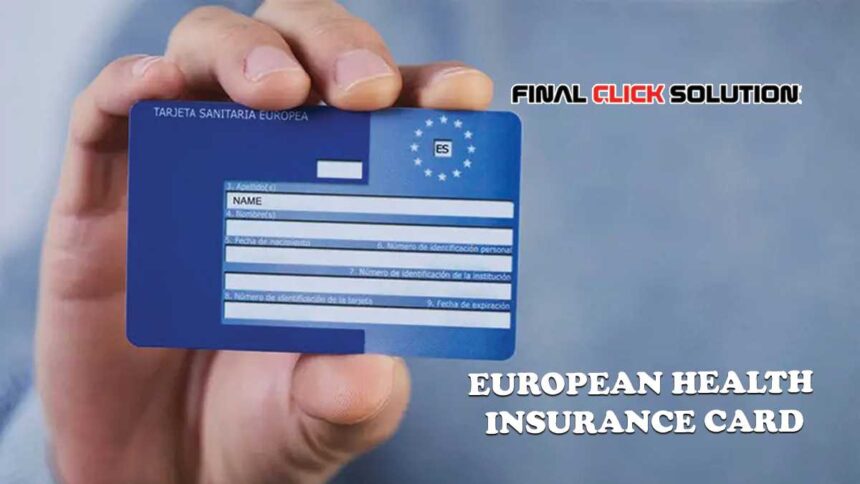
The European health insurance card isn’t just another piece of plastic to stuff in your wallet and forget about. It’s actually your golden ticket to accessing state-provided healthcare across the European Economic Area and Switzerland without paying upfront costs that could drain your travel budget faster than you can say “croissant.”
Think of it this way: imagine you’re in Barcelona, savoring tapas on a sunny terrace, when suddenly you need medical attention. Without proper coverage, you might face bills that could cost hundreds or even thousands of euros. With this card, you’re treated just like a local resident would be, paying only what they would pay, which in many countries means little to nothing.
What really amazed me during my research was discovering that over 190 million people across Europe carry this card, yet so many travelers I’ve met have never even heard of it. That’s millions of people who could be traveling with peace of mind but aren’t because they don’t know this simple solution exists.
Who Qualifies for Free Healthcare Coverage
Here’s where things get interesting, and honestly, more straightforward than you might think. If you’re legally residing in any EU country, Iceland, Liechtenstein, Norway, or Switzerland, you’re eligible. It doesn’t matter if you’re a student living on instant noodles in Amsterdam, a digital nomad working from Berlin cafes, or a retiree enjoying Portuguese sunshine.
During my first year living in Dublin, I assumed only citizens could apply. Wrong. My colleague from Canada, who had a work visa, qualified immediately. Another friend from Australia, studying for two years in Copenhagen, also got hers without any hassle. The key factor isn’t citizenship but legal residency and being covered by the public healthcare system in your country of residence.
Children are covered too, which proved invaluable when my nephew fell off his bike during our family trip to Rome. His parents had wisely obtained cards for the whole family before leaving Manchester. The pediatric care he received didn’t cost them a cent beyond what they would’ve paid back home.
The Application Process Made Simple and Fast
I won’t lie to you—when I first decided to apply for my European health insurance card, I expected bureaucratic nightmares involving fourteen different forms and maybe a blood sample. The reality? I was pleasantly surprised.
Most countries have streamlined this process beautifully. In the UK, before Brexit complicated things, my flatmate applied online during her lunch break and had the card delivered within ten days. My German friends simply visited their local health insurance office, filled out a single form, and walked out with a temporary certificate they could use immediately while waiting for the physical card.
The application typically requires basic information: your name, date of birth, social security number or equivalent, and proof of health insurance coverage in your home country. That’s it. No lengthy essays about your travel plans or medical history required.
Pro tip that nobody told me initially: if you’re planning a trip and don’t have time to wait for the physical card, you can usually request a Provisional Replacement Certificate. This temporary document provides the same coverage and can often be issued within 24 hours. I’ve used this twice when planning last-minute weekend getaways.
Coverage Across Different European Countries Explained
Now, this is where many people get confused, and I completely understand why. The coverage isn’t identical everywhere because each country has its own healthcare system with unique rules and costs.
When I used my card in Sweden, everything from the doctor’s consultation to the prescribed medication was covered under their system. The pharmacy visit cost me about 15 euros, which is what Swedish residents pay. Fast forward to my skiing accident in Austria, and I discovered their system required a small upfront payment that I later claimed back. Both experiences were covered, but the processes differed slightly.
Spain operates on a co-payment system for prescriptions, meaning you’ll pay a percentage of medication costs. France reimburses a portion of healthcare costs, typically around 70 percent for doctor visits. Italy’s system covers you completely in public hospitals but may charge small fees for some services.
The important thing to understand is this: you’re not getting special tourist treatment or comprehensive travel insurance. You’re getting exactly what residents of that country get through their public healthcare system, nothing more, nothing less. This means if locals pay something, you’ll pay it too.
Common Mistakes to Avoid When Traveling
Let me share some expensive lessons I’ve learned through trial and error, so you don’t have to repeat my mistakes.
First major blunder: I once assumed my European health insurance card covered everything, including that adventurous paragliding session in Switzerland. Spoiler alert—it doesn’t. The card covers necessary healthcare, not repatriation costs if something goes seriously wrong, or treatment for injuries from extreme sports. I learned this after paying out of pocket for a comprehensive check-up following a minor paragliding incident.
Second mistake that caught me off guard: going to private healthcare facilities. During a particularly unpleasant bout of food poisoning in Croatia, I rushed to the nearest clinic without checking if it was public or private. The private clinic didn’t accept my card, and I ended up paying significantly more than necessary. Always verify you’re using public healthcare services.
Another common error I’ve witnessed repeatedly involves people forgetting to bring their actual card. Having the number written down or a photo on your phone won’t cut it in most situations. Healthcare providers need to see and often photocopy the physical card. I now keep mine in a dedicated travel wallet that never leaves my bag.
What to Do During Medical Emergencies Abroad
Three years ago, my friend Sarah experienced every traveler’s worst nightmare in rural Portugal. Severe abdominal pain struck at midnight, miles from any major city. The local hospital staff barely spoke English, and the situation felt overwhelming.
Here’s what she did right: she remained calm, presented her European health insurance card immediately, and let the administrative staff handle the paperwork while she focused on getting treated. The appendicitis surgery she needed that night would have cost thousands without proper coverage. With her card, she paid the same nominal fees a Portuguese resident would have paid.
In genuine emergencies, present your card as soon as practically possible. Don’t worry about perfect documentation or complex forms while you’re in distress. The administrative details can usually be sorted afterward. European healthcare systems prioritize treatment first, paperwork second.
If you’re in a situation where your card isn’t accepted or there’s confusion, politely ask to speak with a billing administrator or social services representative. These professionals typically understand the EHIC system better than front-desk staff might. I’ve found that staying courteous but persistent works wonders.
Keep your travel insurance provider’s contact information readily available too. While the European health insurance card covers state healthcare, comprehensive travel insurance fills important gaps like repatriation, private healthcare, and trip cancellations.
Planning Your Next European Adventure with Confidence
Since obtaining my card five years ago, I’ve visited twenty-three European countries with a completely different mindset. That constant underlying worry about healthcare costs simply vanished, allowing me to enjoy experiences more fully.
Last summer, hiking through Slovenia’s Julian Alps, I twisted my knee badly enough to need an X-ray and physiotherapy. The entire process, from hospital visit to follow-up appointments, cost me less than what I’d spent on coffee that week. Without my card, this minor accident could have derailed my entire trip budget.
Before any European trip now, I follow a simple checklist: verify my card’s expiration date, store it somewhere separate from my main wallet, take a photo of both sides for my records, and pack a small first-aid kit because prevention beats treatment. These tiny preparations have saved me stress countless times.
I also research the specific healthcare system of my destination country. Understanding whether I might need to pay upfront and claim reimbursement, or if treatment will be free at point of service, helps me budget appropriately and avoid surprises.
Beyond the Card: Additional Health Considerations
The European health insurance card is fantastic, but it’s not invincible. It’s essentially your safety net for unexpected medical needs, not a replacement for common sense or comprehensive travel insurance.
Dental emergencies taught me this lesson. While visiting Budapest, I cracked a tooth on some particularly ambitious Hungarian walnut cake. The card covered pain relief and temporary fixes, but the cosmetic dental work I wanted? That required private payment. Same situation occurred when I needed new glasses in Prague—emergency eye care was covered, but replacement frames weren’t.
Pre-existing conditions present another consideration. If you’re traveling with chronic conditions requiring ongoing treatment or medication, research beforehand how the healthcare system in your destination handles your specific situation. My diabetic cousin always confirms medication availability and emergency protocols before traveling anywhere.
Mental health support varies dramatically across European countries. Some nations provide excellent public mental health services covered by the card; others have limited resources. If you might need psychological support while traveling, investigate this specifically for your destinations.
Renewing and Maintaining Your Coverage
Cards typically expire every few years, and I cannot stress enough how important tracking this date is. Mine expired right before a planned trip to Greece, and I only noticed three days before departure. Cue frantic calls to my health insurance provider and a rush-ordered replacement that arrived literally the morning of my flight.
Most countries now send renewal reminders, but don’t rely solely on these. Set a calendar reminder six months before expiration to give yourself plenty of time. The renewal process is usually even simpler than the initial application—often just confirming your details haven’t changed.
If you move between EU countries, which I did when relocating from Ireland to Spain, you’ll need to obtain a new card from your new country of residence. Your old card becomes invalid once you’re no longer registered in that country’s healthcare system. This transition period requires careful attention to maintain continuous coverage.
Real Stories from Fellow Travelers
My traveling companions have accumulated dozens of European health insurance card stories over the years, each one reinforcing its value differently.
Marcus, a university student from Finland, broke his wrist skateboarding in Lisbon. The orthopedic care, X-rays, cast, and follow-up appointments would have cost him over 800 euros privately. With his card, he paid approximately 40 euros total—the standard Portuguese co-payment fees. He still sends me photos of his perfectly healed wrist, calling it his “best European souvenir.”
Then there’s Elena, who developed a severe allergic reaction to seafood in Nice. The emergency room treatment, overnight observation, and prescribed antihistamines cost her roughly what she’d pay in her home country of Poland. Without the card, she estimates she would have faced bills exceeding 1,500 euros.
Not all stories are dramatic. Sometimes the card’s value shows in mundane situations. My colleague needed antibiotics for a minor infection while attending a conference in Brussels. The prescription that might have cost significant money for a foreign visitor cost him the standard Belgian fee of about 8 euros.
Making the Most of Your Healthcare Rights
Understanding your rights as a European health insurance card holder empowers you to advocate for yourself effectively. You’re entitled to necessary healthcare on the same terms as residents. “Necessary” means treatment that can’t reasonably wait until you return home without putting your health at significant risk.
This distinction matters. That routine dental cleaning you’ve been postponing? Not necessary. The infected tooth causing excruciating pain? Absolutely necessary. The cosmetic procedure you’ve been considering? Not covered. The emergency appendectomy? Fully covered.
If any healthcare provider tries to charge you more than local residents pay, politely but firmly question this. Language barriers sometimes create misunderstandings, but you have legal protections. I’ve found that simply asking, “Is this the same fee that [country] residents pay for this service?” usually clarifies matters quickly.
Keep all documentation—receipts, medical reports, prescriptions, everything. If you pay upfront expecting reimbursement later, these documents become essential. I learned this when seeking reimbursement from my home country for treatments paid in France. The paperwork process was smooth precisely because I’d kept everything organized.
Your Journey Starts Here
Five years ago, I stood in that Parisian emergency room, embarrassed by my ignorance and worried about costs I couldn’t afford. Today, I travel across Europe with confidence, knowing that unexpected health issues won’t devastate my finances or derail my adventures.
Getting your European health insurance card is genuinely one of the easiest, most valuable things you can do before traveling within Europe. The application process takes minutes, costs nothing, and provides peace of mind worth infinitely more than the small piece of plastic would suggest.
Don’t make the mistake I made, learning about this essential card only after needing it desperately. Whether you’re planning a weekend city break, a multi-month backpacking adventure, or relocating to another European country, obtain your card now. Your future self, possibly standing in some emergency room at an inconvenient hour, will thank you profusely.
Travel should be about creating memories, experiencing cultures, and enjoying freedom. Healthcare worries shouldn’t overshadow these joys. With your European health insurance card tucked safely in your wallet, you’re ready to explore this beautiful continent with one less thing to worry about. That’s a feeling worth experiencing, trust me.