

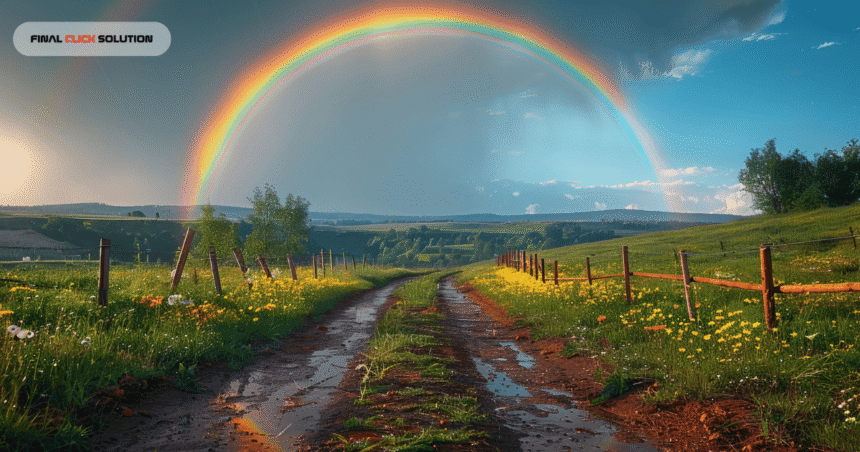
A rainbow on glass is one of the most captivating optical effects found in everyday life. Whether it’s a streak of color on a window, a pattern on a smartphone screen, or a prism-like glow on a car windshield, this phenomenon attracts scientists, photographers, and curious observers alike. Many people search for questions like what causes a rainbow on glass, why rainbows appear on windows, how to create a rainbow on glass for photography, and how glass creates prism colors. In this detailed article, we explore the science behind it, the symbolism, real-world examples, and methods to intentionally create a rainbow on glass for art or decoration.
What Is a Rainbow on Glass?
A rainbow on glass is a colorful spectrum created when light interacts with a glass surface and splits into its component wavelengths. These colors often mirror the familiar natural rainbow: red, orange, yellow, green, blue, indigo, and violet. The effect can appear on both clean and dirty glass, depending on lighting conditions and the angle of view.
Rainbows on glass surfaces are commonly seen on:
Windows
Car windshields
Mirrors
Smartphone screens
Camera lenses
Eyeglasses
Shower doors
Drinking glasses and jars
This optical effect has become a popular topic in photography, science education, interior aesthetics, and even spiritual symbolism.
The Science Behind Rainbow on Glass
The appearance of a rainbow on glass is primarily caused by light refraction, dispersion, and thin-film interference. These scientific principles explain why the colors appear and how glass can transform ordinary light into a vibrant spectrum.
Refraction of Light
Refraction occurs when light changes direction as it passes from one medium to another, such as from air into glass. Because glass is denser than air, the light slows down and bends. This bending separates the light into different wavelengths, each producing a different color.
Dispersion of Light
Dispersion refers to the spreading of white light into a full spectrum. Each wavelength bends at a slightly different angle when passing through the glass. This is the same principle seen in prisms, crystals, and raindrops. When sunlight hits a glass surface at the correct angle, the dispersion process results in a rainbow-like pattern.
Thin-Film Interference
Thin-film interference is one of the most common reasons rainbows appear on glass in daily life. This happens when there is a thin layer on the glass surface such as:
Oil film
Soap residue
Dust or moisture
Anti-reflective coating
A microscopic chemical layer
When light reflects from both the top and bottom surfaces of this thin layer, the waves overlap. Some wavelengths are strengthened while others cancel out, creating colorful patterns that shift with movement.
Polarization Effects
Polarized light can also create rainbow patterns on glass. Car windshields, sunglasses, camera lenses, and smartphone screens often have polarizing films that interact with sunlight. When viewed at certain angles, these films create vibrant rainbow streaks or cross-hatched color patterns.
Why Rainbows Appear on Glass Surfaces
Although the scientific explanations involve refraction and interference, there are several practical reasons why these patterns show up in daily environments.
Light Angle and Sun Position
The angle at which sunlight strikes the glass surface plays a major role. Morning and late-afternoon sunlight is more likely to create rainbows because the angle is lower and spreads light more effectively.
Surface Condition
A clean glass may show a faint rainbow, while a glass with minor residue or film can display a more dramatic effect.
Common surface factors that enhance the rainbow include:
Cleaning chemicals
Soap film
Fingerprints
Condensation
Lime deposits
Protective coatings
Type of Glass
Different types of glass reflect and refract light differently.
Examples include:
Tempered glass
Laminated glass
Anti-glare glass
Coated camera lenses
Polycarbonate screens
Each type can produce unique rainbow patterns depending on its structure and chemical composition.
Moisture or Rain
Drops of water act like many tiny prisms. This is why after a rain shower, windows often show rainbow streaks even indoors.
Rainbow on Glass in Everyday Life
Rainbows on glass appear more often than we realize. Here are the most common places people encounter them.
Rainbows on Windows
This occurs when sunlight enters the room at the right angle and interacts with dust, moisture, glass thickness, or cleaning film. Many people search online for rainbow on window meaning or why rainbow appears inside house, because the effect can be visually stunning.
Rainbows on Smartphone Screens
Modern smartphone screens have multiple layers, including polarizers and protective coatings. When sunlight or LED light hits the screen, it can create rainbow streaks, especially when the screen is viewed from an angle.
Rainbows on Car Windshields
Car windshields have laminated layers for safety. These layers refract light and create rainbow effects, especially when viewed through sunglasses.
Rainbows on Mirrors
Although mirrors reflect more than they refract, any moisture, soap, or oil film on the mirror can create a rainbow effect when light hits at the right angle.
Rainbows on Glass Cups or Bottles
Curved glass shapes behave similarly to prisms. A curved surface can focus light differently and create small, vivid rainbows on tables or walls.
The Symbolic Meaning of Rainbows on Glass
Beyond science, many people associate spiritual or emotional meanings with seeing a rainbow on glass. It is considered a symbol of hope, renewal, clarity, and positive energy.
A Sign of Positivity
Many cultures believe that rainbows are a sign of good fortune or a fresh start. Seeing a rainbow indoors or on a window is often interpreted as a message of encouragement.
Creativity and Inspiration
Artists and photographers love capturing rainbow effects because they symbolize imagination, inner peace, and creative flow. A rainbow on glass can be an inspiring subject for visual art.
Emotional Symbolism
Because rainbows represent harmony and balance, some people feel that seeing one inside their home brings emotional comfort or spiritual reassurance.
How You Can Create a Rainbow on Glass
Creating your own rainbow on glass is surprisingly easy. Whether for photography, decoration, or a science experiment, there are several effective methods.
Using a Prism near a Glass Surface
A prism is one of the most reliable tools for creating rainbows. Place it near a window where sunlight passes through and aim the spectrum onto glass. Adjust the prism until vivid colors appear.
Spraying Water Mist on the Glass
A fine mist of water acts as thousands of microscopic prisms. Spray the glass lightly and let sunlight pass through it. This creates soft rainbow arcs or streaks.
Using CD or DVD Reflections
The reflective layers of CDs and DVDs contain microscopic grooves that split light. Placing one near a glass object can project rainbow patterns onto the surface.
Soap Film on Glass
A thin soap layer creates interference patterns. Blow a soap bubble against a glass sheet or apply a thin film of dish soap diluted in water. When light hits it, swirling rainbows appear.
Polarized Sunglasses Technique
Look at certain glass surfaces through polarized sunglasses, especially car windows or smartphone screens. Tilt your head to adjust the angle. This enhances rainbow patterns that are otherwise invisible.
Using a Flashlight in a Dark Room
A bright LED flashlight aimed at an oil-coated glass sheet can create rainbow stripes even without sunlight. This method works at night and is popular among photographers.
Rainbow on Glass in Photography
Many photographers deliberately create rainbow effects on glass for aesthetic shots. This trend appears in portrait photography, abstract photography, product photography, and macro photography.
Creating Atmospheric Portraits
A rainbow reflection on a glass window can add dreamy color accents to portrait photos. This is often achieved by placing a prism close to the camera lens or using a reflective surface.
Adding Color in Product Photography
Small objects like jewelry, perfumes, and cosmetics look more visually appealing with a rainbow glow on glass behind or beneath the product.
Shooting Through Glass
Photographers often shoot through car windows or café glass to capture natural rainbow streaks created by the environment.
Safety Considerations When Creating a Rainbow on Glass
Even though the effect is harmless, certain precautions should be taken.
Avoid Direct Sun into Your Eyes
When using prisms or mirrors, never point the reflected sunlight toward your eyes.
Handle Glass with Care
Thin glass objects can break easily, especially when applying soap film or water.
Prevent Screen Damage
Avoid using chemicals on smartphone or laptop screens to prevent long-term damage.
Conclusion
A rainbow on glass is a beautiful combination of science, art, and nature. Whether caused by refraction, dispersion, or thin-film interference, the effect adds color and symbolism to everyday life. From windows and windshields to screens and mirrors, these vibrant patterns appear in many environments and can also be created manually for photography or decoration. Understanding the science behind the phenomenon makes it even more fascinating, while the artistic and emotional meanings add depth to the experience. With the right lighting conditions and a bit of creativity, anyone can enjoy or capture the magic of a rainbow on glass.