

I’ll never forget the first time I watched a farrier shoe a horse. I was eight years old, standing in my neighbor’s barn, absolutely convinced that hammering nails into a horse’s hoof would hurt the animal. My face must have shown pure horror because the farrier, a weathered man named Jack, chuckled and said, “Kid, it’s like trimming your fingernails. Doesn’t hurt a bit.” That moment sparked a lifelong fascination with horses and why do horses need shoes in the first place.
Now, decades later, after years of riding, volunteering at stables, and countless conversations with equine veterinarians and farriers, I’ve come to understand that horseshoeing is far more complex and fascinating than I ever imagined as a child.
Understanding the Horse Hoof: Nature’s Engineering Marvel
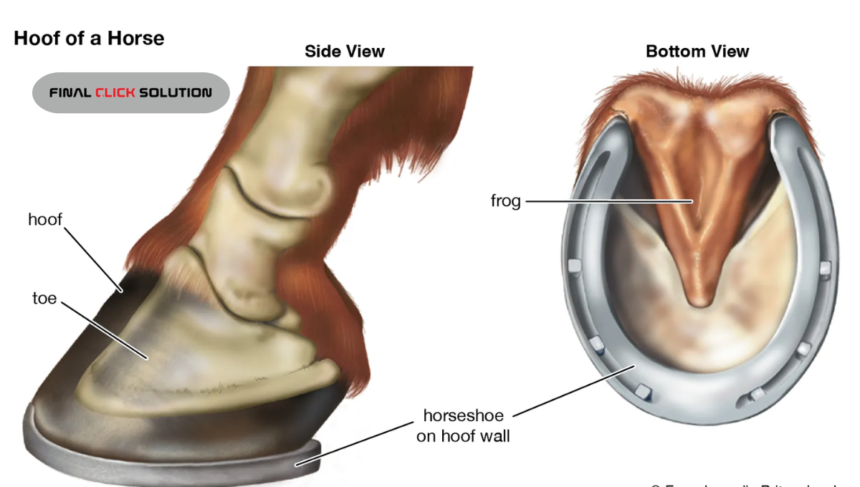
Before we dive into the shoeing question, let’s talk about what we’re actually protecting. The horse’s hoof is an absolute masterpiece of natural engineering. Think of it like a sophisticated shock absorber combined with a flexible support system, all wrapped in a hard outer shell made of keratin (the same protein that makes up your hair and nails).
The hoof wall grows continuously, much like our fingernails, at a rate of about a quarter to half an inch per month. In the wild, horses roam vast distances daily, sometimes covering 20 to 30 miles across varied terrain. This constant movement naturally wears down their hooves at roughly the same rate they grow. It’s a perfect balance that nature spent millions of years perfecting.
But here’s where things get interesting. Domestic horses live in a completely different world than their wild ancestors.
The Domestic Horse Dilemma
I remember having a conversation with my riding instructor, Sarah, about five years ago. She owned a beautiful Thoroughbred named Thunder who’d been rescued from a racing career. “You know what the biggest difference is between Thunder and a wild mustang?” she asked me while we groomed him after a trail ride. “Thunder here doesn’t get to choose his terrain, his workload, or his lifestyle. We do. And that changes everything.”
She was absolutely right. Domestic horses face challenges their wild counterparts never encounter.
The Weight Problem
Modern horses, especially sport horses and working breeds, often carry riders, pull carriages, or haul equipment. This additional weight creates significantly more impact stress on their hooves than they would naturally experience. A 1,200 pound horse carrying a 180 pound rider plus 30 pounds of tack is dealing with forces their hooves didn’t evolve to handle on hard surfaces.
The Terrain Issue
Wild horses travel across soft grasslands, sand, dirt, and varied natural surfaces. My horse, when I finally got one in my twenties, spent most of his time walking on concrete barn floors, asphalt driveways, and gravel roads. These hard, abrasive surfaces wear down hooves much faster than natural terrain. It’s like the difference between walking barefoot on a beach versus walking barefoot on a parking lot all day.
The Movement Factor
Here’s something most people don’t realize: wild horses move constantly. They’re grazing, migrating, and traveling for water throughout the day. Domestic horses? They often stand in stalls or small paddocks for hours. Less movement means less natural conditioning for the hoof, making it more susceptible to damage when they do work.
When Horses Actually Need Shoes
Not every horse needs shoes, and this is where it gets really interesting. I’ve met horses who’ve gone their entire lives barefoot and thrived. I’ve also met horses who absolutely required shoes to stay comfortable and sound.
Performance and Sport Horses
If you’re asking a horse to jump four foot fences, race around barrels at high speeds, or compete in three day eventing, you’re asking for athletic performance that demands extra hoof protection. These horses need the additional support and traction that shoes provide. Think of it like an athlete wearing proper footwear. You wouldn’t run a marathon barefoot on asphalt, right? Same principle.
Horses with Hoof Problems
Some horses are born with or develop hoof problems. I once worked with a mare named Daisy who had thin hoof walls that cracked easily. Without shoes, she’d go lame within weeks. Her farrier used specialized shoes with pads to protect her sensitive soles and provide the support her genetics failed to give her. For Daisy, shoes weren’t optional; they were medical devices.
Working Horses
Draft horses pulling carriages, ranch horses working cattle, police horses patrolling city streets—these working animals need shoes because their jobs involve sustained work on hard or varied surfaces. The wear and tear would be brutal on unprotected hooves.
Therapeutic Shoeing
This aspect fascinated me when I first learned about it. Corrective or therapeutic shoes can actually help treat or manage various hoof and leg conditions. Horses with laminitis, navicular disease, or conformational issues often benefit from specialized shoeing that redistributes weight, changes hoof angles, or provides additional support.
How Horseshoes Actually Protect Hooves
Let me break down what’s actually happening when we put shoes on horses, because it’s more sophisticated than just slapping metal on a hoof.
The horseshoe acts as a protective barrier between the hoof and the ground. It prevents excessive wear on hard surfaces while still allowing the hoof to function naturally. Modern shoes are carefully shaped and fitted to each individual horse’s hoof, taking into account the horse’s conformation, workload, and any existing issues.
The shoe also provides better traction. Ever watched a horse try to navigate a slippery surface? It’s nerve wracking. Shoes, especially those with studs or special traction features, help horses maintain grip on various surfaces from wet grass to icy pavement.
Additionally, shoes help maintain the hoof’s shape and integrity. They prevent chips, cracks, and splits that can occur on hard or rocky ground. For horses doing repetitive work, this protection is invaluable.
The Barefoot Movement: A Valid Alternative
About ten years ago, I met a woman at a horse expo who was passionate about the barefoot horse movement. Initially, I was skeptical. Shoes had always seemed like the obvious answer to hoof protection. But she made compelling arguments that got me thinking.
Some horses genuinely thrive without shoes, especially those who aren’t working on hard surfaces regularly, live in environments where they can move freely, and have naturally strong, healthy hooves. The barefoot approach emphasizes natural hoof care, proper nutrition, and allowing horses to develop tough, conditioned hooves through regular movement on varied terrain.
I’ve seen it work beautifully for some horses. My friend’s Quarter Horse gelding has been barefoot his entire life, and his hooves are like rocks. He navigates gravel, trails, and occasional arena work without any issues. But—and this is important—he’s living in ideal conditions for barefoot soundness.
The Farrier’s Expertise: Why It Matters
Here’s something I learned the hard way: not all farriers are created equal. Early in my horse ownership journey, I went with the cheapest farrier I could find. Big mistake. Within three months, my horse developed balance issues because his hooves weren’t being trimmed correctly.
A skilled farrier is part artist, part engineer, and part veterinarian. They assess the horse’s conformation, movement, workload, and any existing issues before deciding on a shoeing plan. They understand biomechanics, metallurgy, and equine anatomy. The best farriers I’ve worked with could look at a horse’s gait and immediately identify issues in the hoof balance.
Good farriers also work closely with veterinarians, especially when dealing with therapeutic shoeing situations. It’s truly collaborative healthcare for the horse.
The Shoeing Process: What Actually Happens
Let me walk you through what happens during a typical shoeing appointment, based on my years of observation and countless sessions watching farriers work.
First, the farrier removes the old shoes if the horse is already shod. Then comes the trimming process, where excess hoof growth is carefully removed using specialized tools. The farrier shapes the hoof, ensuring proper balance and angle. This is crucial because even small deviations can cause significant problems over time.
Next, the farrier shapes the shoe to fit the individual hoof. Despite what many people think, shoes aren’t one size fits all. Each shoe is heated, shaped, and customized. When the hot shoe is briefly placed on the hoof, it creates smoke and a burning smell (that’s the smell I associate with every barn I’ve ever visited). This doesn’t hurt the horse; it’s burning the dead hoof material and helps the farrier see if the shoe fits properly.
Finally, the shoe is nailed on. The nails go through the outer hoof wall in a specific pattern that avoids the sensitive inner structures. The nail ends that emerge from the hoof wall are bent over and smoothed down, creating clinches that hold everything securely.
The entire process usually takes 45 minutes to an hour per horse, and most horses stand quietly throughout. Some even fall asleep during their appointments.
How Often Do Horses Need New Shoes
This is one of the most common questions I get asked. Generally, horses need their shoes reset or replaced every six to eight weeks. This timeline isn’t arbitrary; it’s based on how fast hooves grow and how quickly shoes wear down.
Even if the shoes still look fine, the hoof has grown enough in six weeks that the balance and fit are no longer optimal. Waiting too long between farrier visits can lead to problems like long toes, collapsed heels, or shoes shifting position.
I learned this lesson when I tried to stretch appointments to save money. My horse developed a slight lameness that took weeks of corrective shoeing to resolve. The money I “saved” was nothing compared to the veterinary bills and the guilt I felt watching him move uncomfortably.
The Cost Reality
Let’s talk money, because horse ownership is expensive, and farrier care is a significant ongoing cost. In my area, a basic trim runs about $45 to $60, while a full shoeing (all four feet) typically costs $120 to $200. Specialized therapeutic shoeing can run significantly higher.
Multiply that by six to eight visits per year, and you’re looking at $720 to $1,600 annually just for basic hoof care. It’s one of those essential expenses that never goes away, regardless of whether you’re actively riding or showing your horse.
Signs Your Horse Might Need Shoes
Over the years, I’ve learned to recognize the signs that a previously barefoot horse might benefit from shoes. Increased sensitivity on hard ground is usually the first clue. If your horse suddenly becomes ouchy or reluctant to move forward on gravel or pavement, their hooves might be wearing faster than they’re growing.
Excessive chipping, cracking, or splitting of the hoof wall is another red flag. While some minor chipping is normal, significant or recurring problems often indicate the need for protection.
Changes in gait or willingness to work can also signal hoof discomfort. Horses are incredibly stoic animals, so by the time they’re showing obvious lameness, they’ve probably been uncomfortable for a while.
The Bigger Picture: Holistic Hoof Health
After all these years working with horses, I’ve realized that shoes are just one piece of the hoof health puzzle. Nutrition plays a massive role—biotin, zinc, and essential fatty acids all contribute to strong hoof growth. Proper hydration matters too; dry, brittle hooves are more prone to problems.
Regular exercise and movement keep blood flowing to the hooves, promoting healthy growth and strength. Even something as simple as turnout time in a paddock makes a significant difference.
Environmental factors like wet, muddy conditions or excessively dry conditions can impact hoof health. I’ve learned to be proactive about managing these factors rather than just reacting when problems arise.
Final Thoughts on Equine Foot Care
So why do horses need shoes? The truth is both simple and complex. Horses need shoes when the demands we place on them or the environments we keep them in exceed what their natural hooves can handle. For some horses, that means always wearing shoes. For others, barefoot is perfectly fine. And for many horses, the answer changes throughout their lives based on their workload, health, and circumstances.
What matters most is making informed decisions based on your individual horse’s needs, working with knowledgeable professionals, and staying observant of your horse’s comfort and soundness. The goal isn’t to follow trends or traditions blindly but to give each horse what they need to move comfortably and stay healthy.
That eight year old kid in the barn, worried about horses being hurt, was asking good questions. The answers just turned out to be far more nuanced than I could have imagined back then.