

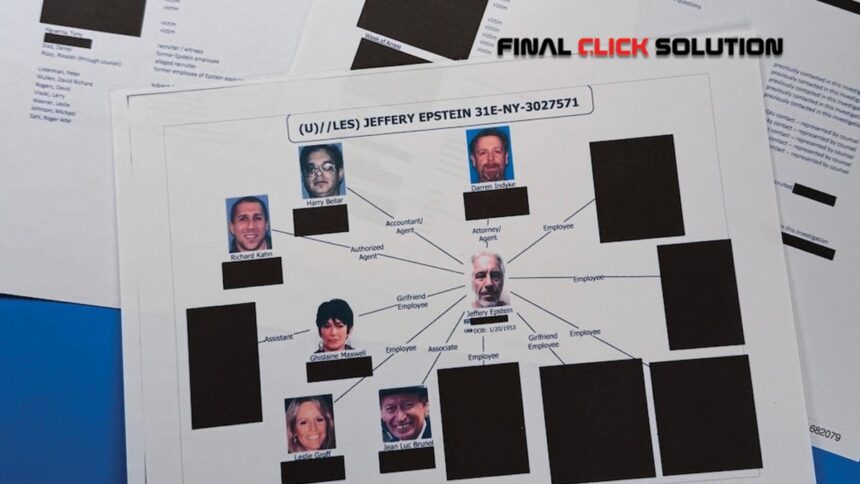
I’ll never forget the day I first heard about the epstein files making headlines. I was scrolling through my phone during my morning coffee, and suddenly, my entire feed was flooded with breaking news alerts. Like millions of others, I found myself pulled into one of the most complex and disturbing legal sagas of our time. The epstein files aren’t just another celebrity scandal or tabloid fodder—they represent a massive collection of unsealed court records, victim testimonies, flight logs, and legal documents that have fundamentally changed how we understand power, accountability, and justice in America.
What started as casual curiosity quickly turned into a deep dive that lasted weeks. I realized that understanding these documents isn’t just about satisfying morbid curiosity; it’s about comprehending a system that allowed abuse to continue for decades while those in positions of authority looked the other way.
The Journey to Public Disclosure: How Documents Got Released
The story of how the epstein files released to the public is almost as complicated as the case itself. It wasn’t a simple process of a judge banging a gavel and suddenly everything becoming available. Instead, it involved years of legal battles, motions filed by journalists and advocacy groups, and persistent demands for transparency from survivors who refused to be silenced.
I remember talking to a lawyer friend who works in civil litigation. She explained to me over dinner one evening that sealed depositions and confidential settlement agreements are actually quite common in cases involving powerful individuals. “The difference here,” she said, pointing her fork at me for emphasis, “is that journalists and victims fought back harder than anyone expected.”
The judicial unsealing process began in earnest after pressure mounted from multiple directions. Media organizations filed motions arguing that the public interest outweighed privacy concerns. Survivors bravely stepped forward, waiving their own anonymity to demand that the truth come out. Document release didn’t happen all at once—it came in waves, each batch revealing new layers of a criminal investigation that spanned decades and continents.
Breaking Down the Document Categories
When we talk about Jeffrey Epstein documents, we’re not discussing a single file or even a simple collection. The unsealed court records include thousands of pages spanning multiple categories. There are evidentiary documents from the Ghislaine Maxwell case, which provided a roadmap to understanding the organizational structure behind the abuse. Flight logs from private jets became crucial pieces of evidence, showing patterns of travel that corroborated victim testimonies.
The deposition transcripts revealed conversations that had been hidden for years. Court filings accumulated like snowdrifts, each one adding detail to an increasingly disturbing picture. I spent hours reading through summaries because the full documents were simply too voluminous for any casual observer to digest completely. What struck me most was how mundane some of the language was—bureaucratic and dry—while describing absolutely horrific events.
Why Didn’t Biden Release the Epstein Files: The Political Question
Here’s where things get politically complicated, and honestly, this is where I’ve had the most heated discussions with friends across the political spectrum. The question “why didn’t biden release the epstein files” has become a rallying cry for people demanding government transparency, but it reflects a fundamental misunderstanding of how document disclosure actually works in the American legal system.
I used to think the President could just declassify or release whatever documents they wanted with a signature. My civics education had been good but not that detailed. The reality is far more nuanced. Presidential authority over case files from independent judicial proceedings is extremely limited—and for good reason. The separation of powers isn’t just a nice idea; it’s the foundation preventing any single branch of government from becoming too powerful.
The Real Legal Barriers to Federal Document Release
The sealed depositions and legal proceedings related to the Epstein case fall primarily under judicial authority, not executive control. When people ask about presidential involvement, they’re often conflating different types of documents. Some materials might be FBI files from trafficking investigation work, which theoretically could fall under executive branch purview. But the vast majority of documents people want to see—witness statements, victim testimonies, and court records—are controlled by the federal judiciary.
I spoke with a constitutional law professor who broke it down for me in simple terms. “Imagine if the President could just release sealed court documents whenever they felt like it,” she explained. “That would destroy the entire concept of judicial independence. Victims who came forward under promises of confidentiality would be exposed. Ongoing investigations could be compromised. It would be chaos.”
That doesn’t mean there aren’t legitimate questions about transparency. There absolutely are. But directing all that frustration at one administration oversimplifies a systemic issue that spans decades and multiple branches of government.
The Prince Andrew Allegations and International Implications
The international dimension of these documents is staggering. When I first read about the Prince Andrew allegations detailed in the unsealed files, I was struck by how this wasn’t just an American story. This was a case that reached into royal palaces, Caribbean islands, European cities, and mansions across multiple continents.
The Little St. James island—which became known in media reports by a much darker nickname—represented something almost incomprehensible to most of us. How does someone acquire a private island and use it as a base of operations for years without intervention? The flight logs showed trips there by numerous high-profile individuals, though being on a flight manifest doesn’t automatically imply knowledge of or participation in criminal activity. That’s an important distinction that often gets lost in social media discussions.
I remember trying to explain this nuance to my uncle at a family gathering. He was convinced that everyone who ever flew on those planes must have known everything that was happening. “It’s not that simple,” I argued. “Some people probably did know and are complicit. Others might have been completely unaware. The legal proceedings are supposed to sort out who falls into which category.”
What the Victim Testimonies Actually Reveal
This is the hardest part to write about, honestly. Reading summaries of victim testimonies was emotionally exhausting. These weren’t abstract legal concepts—they were real people describing real trauma inflicted by individuals who used wealth and power as shields.
What struck me most was the consistency across different witness statements. Independent accounts corroborated each other in ways that would be impossible if they were fabricated. The trafficking investigation revealed patterns of recruitment, grooming, and abuse that followed similar scripts across different locations and time periods.
I’ve worked with trauma survivors in volunteer capacities, and one thing I’ve learned is that their stories deserve to be heard without sensationalism. The public disclosure of these testimonies served multiple purposes: it validated survivors who had been dismissed or silenced, it provided evidence for criminal and civil proceedings, and it educated the public about how systematic abuse actually operates.
The System That Enabled Decades of Abuse
The confidential settlement agreements that were eventually unsealed showed how money was used to buy silence. Non-disclosure agreements attached to financial settlements created a web of enforced secrecy. I thought about all the times I’d signed NDAs for perfectly legitimate business reasons, and it made me realize how the same legal tools designed for intellectual property protection could be weaponized to hide crimes.
The criminal investigation records revealed something even more disturbing: multiple opportunities for intervention that were missed, ignored, or actively thwarted. This wasn’t a case of someone operating in complete secrecy. There were complaints, investigations, and warning signs that authorities failed to act upon with appropriate urgency.
The Media’s Role in Covering Epstein Case Files
I have mixed feelings about how media organizations handled this story. On one hand, persistent journalism and legal advocacy by reporters directly contributed to documents being unsealed. Journalists filed the motions that led to public access to court filings that would have otherwise remained sealed indefinitely.
On the other hand, some coverage has been sensationalistic to the point of being counterproductive. I’ve seen headlines that prioritize celebrity names over survivor stories, clickbait that trades in conspiracy theories rather than documented facts, and reporting that blurs the line between what’s actually in the evidentiary documents versus speculation.
The best journalism I encountered treated this as what it was: a complex legal case requiring careful analysis of voluminous records. The worst reduced it to gossip and innuendo. Somewhere in between is where most coverage fell, attempting to balance public interest with accuracy.
Legal Proceedings Continue: What Happens Next
Many people think the Epstein case ended with his death in 2019. Nothing could be further from the truth. The Ghislaine Maxwell case resulted in a conviction and sentencing, but legal proceedings involving other individuals continue. Civil lawsuits filed by survivors are working their way through courts. Additional document unsealing motions are pending.
I check for updates periodically, and there’s usually something new—another filing, another settlement, another revelation from previously sealed materials. The judicial unsealing process is ongoing, not complete. Each wave of new releases adds information to our understanding.
My lawyer friend told me that some of these cases could continue for years. “Civil litigation moves slowly,” she reminded me. “And when you’re dealing with this level of wealth and this many different parties across multiple jurisdictions, everything takes longer.”
Why These Documents Matter Beyond the Headlines
Here’s what I keep coming back to: the epstein files matter because they expose systemic failures that extend far beyond one individual or even one case. They reveal how wealth can purchase protection, how institutions can fail vulnerable people, and how difficult it is to achieve accountability when power dynamics are severely imbalanced.
The unsealed court records serve as a case study in what happens when oversight mechanisms fail. They show patterns that exist in other contexts too—anywhere powerful individuals operate without sufficient scrutiny or accountability. Understanding these documents helps us recognize those patterns elsewhere.
I think about this whenever I read about new abuse scandals in other industries or institutions. The mechanics are often similar: someone in a position of power exploits that advantage, systems that should provide checks and balances fail to function properly, and victims face enormous barriers to coming forward and being believed.
The Importance of Continued Transparency and Accountability
The fight for public disclosure isn’t over. There are still sealed documents, still ongoing investigations, still questions that remain unanswered. Advocacy groups continue pushing for transparency while balancing the legitimate privacy interests of victims who may not want their identities or testimonies made public.
This balancing act is genuinely difficult. I’ve gone back and forth in my own thinking about where exactly the line should be drawn. Complete transparency might expose victims to harassment or retraumatization. But excessive secrecy allows powerful wrongdoers to escape accountability. Finding the right balance requires careful thought, not knee-jerk reactions.
The document release process has shown that transparency is possible even in high-profile cases involving powerful individuals. It’s difficult, it takes time, and it requires persistent effort from journalists, lawyers, advocates, and survivors willing to come forward. But it can happen.
Lessons Learned and Moving Forward
After spending months following this story, reading documents, and discussing these issues with friends, family, legal professionals, and advocates, I’ve come to several conclusions. First, systemic change requires sustained attention and effort. The trafficking investigation and subsequent legal proceedings succeeded partly because people refused to let the story die, even when it would have been easier to move on.
Second, believing survivors matters. The witness statements that eventually became public were often given years before anyone took them seriously. When victims are dismissed or ignored, perpetrators continue operating with impunity. Creating systems where people can come forward safely and be taken seriously is crucial.
Third, wealth and power create unique challenges for accountability. The ability to hire elite lawyers, negotiate confidential settlement agreements, and leverage connections creates advantages that most defendants don’t have. Addressing this requires reforms at multiple levels—judicial, legislative, and cultural.
Finally, transparency and privacy can coexist, but it requires thoughtful policies. The judicial unsealing process showed that courts can release information that serves the public interest while still protecting certain sensitive details. It’s not an all-or-nothing proposition.
The Human Cost Behind Every Page
I want to end by bringing this back to what matters most: the real people whose lives were devastated by the events detailed in these documents. Behind every page of court filings, every entry in flight logs, every line of depositions, there are human beings who suffered real harm.
The epstein files represent more than just a scandal or a legal case. They represent failures of protection, failures of justice, and failures of basic human decency. They also represent courage—the courage of survivors who came forward, journalists who persisted, lawyers who fought for disclosure, and advocates who refused to let powerful people hide their actions behind wealth and influence.
Understanding these documents isn’t just an intellectual exercise. It’s a moral imperative. These files teach us about how abuse happens, how it’s hidden, and how difficult but possible it is to bring truth to light. Every person who takes the time to understand this case, to read beyond the headlines, and to think critically about systemic failures is contributing to a culture that makes such abuses harder to perpetrate and easier to expose.
That’s why I’ve spent so much time on this. That’s why I keep checking for updates. And that’s why I believe these documents, as difficult and disturbing as they are, serve a vital purpose in our ongoing struggle to create a more just and accountable society.
The epstein files released to the public represent thousands of pages of evidence, testimony, and legal documentation. They’re not easy reading, and they’re not pleasant subject matter. But they’re important—vitally, urgently important—and they deserve our attention, our understanding, and our commitment to ensuring that the failures they expose are never repeated.