

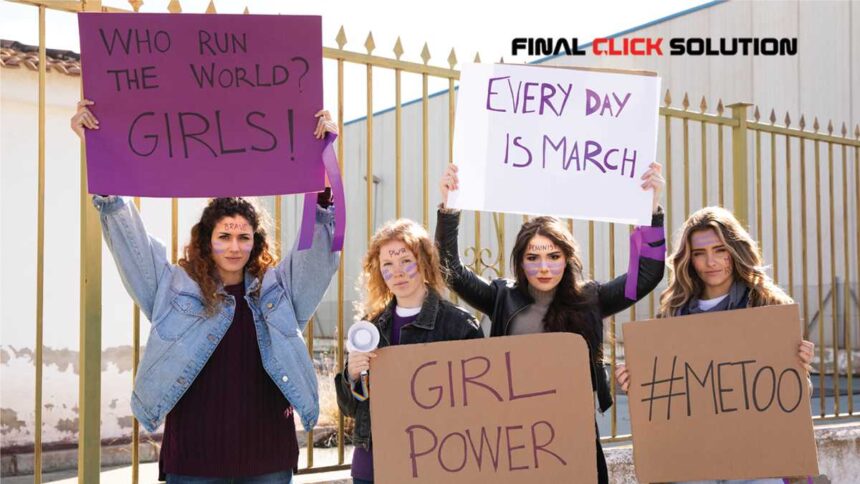
I still remember sitting in my grandmother’s living room when I was twelve, listening to her tell stories about not being able to open a bank account without her husband’s signature. It seemed so absurd to me at the time, like something from a distant, almost fictional past. But that was her reality in the 1960s. That conversation sparked something in me, a burning curiosity about how we got from there to here, and more importantly, what battles are still being fought today. The journey of womens rights isn’t just a chapter in history books. It’s a living, breathing movement that continues to shape our world in profound ways.
Understanding the Foundation of Gender Equality
Let me tell you something that might surprise you. The fight for women’s rights didn’t start with burning bras in the 1960s or even with women’s suffrage in the early 1900s. This movement has roots that stretch back centuries, with brave women challenging the status quo long before it was remotely acceptable to do so.
When I started researching this topic seriously, I discovered that women’s empowerment has always been about one fundamental thing: the recognition that women are fully human and deserve the same rights, opportunities, and dignity as men. Sounds simple, right? Yet this basic premise has been revolutionary throughout most of human history.
The feminist movement evolved in waves, each building upon the victories and lessons of the previous generation. Think of it like constructing a building. You can’t put up the walls until you’ve laid the foundation, and you can’t add the roof until the walls are stable. Each generation of activists laid another layer, creating the structure of rights we have today.
The Suffrage Movement and Political Voice
Here’s where things get really interesting. The women’s suffrage movement wasn’t just about casting a ballot. It was about having a voice in shaping the laws that governed women’s lives. My great-grandmother used to say, “No taxation without representation,” borrowing from the American Revolution. She believed it applied just as much to women as it did to colonists.
The fight for voting rights took decades of relentless effort. Women marched, protested, went on hunger strikes, and faced imprisonment. They were ridiculed, assaulted, and dismissed. But they didn’t stop. In 1920, when the 19th Amendment was ratified in the United States, it represented a seismic shift in political power.
But here’s the thing that often gets overlooked: fighting for womens rights didn’t end with suffrage. In many ways, it was just the beginning. Having the right to vote meant women could finally start influencing policy decisions that affected their daily lives, from education and healthcare to employment and family law.
I think about my own ability to vote every election cycle. Sometimes I almost take it for granted, which is exactly why we need to remember the women who were force-fed in prison for demanding this right. Their sacrifice wasn’t symbolic. It was real, painful, and necessary.
Workplace Discrimination and the Battle for Equal Pay
Let me share a personal story. My mother worked as an engineer in the 1980s, one of only three women in her entire department. She told me about discovering that her male colleagues, some with less experience and education, were making significantly more than her. When she confronted management, she was told she should be “grateful to have a job at all” and that men had “families to support.”
This is the reality that pushed forward legislation against workplace discrimination. The Equal Pay Act, Title VII of the Civil Rights Act, and various other protections didn’t materialize out of thin air. They came from women like my mother who refused to accept inequality as inevitable.
Even today, the gender pay gap persists. Women, on average, still earn less than men for comparable work. For women of color, the disparity is even more pronounced. This isn’t just about numbers on a paycheck. It’s about economic security, retirement savings, the ability to leave abusive relationships, and financial independence.
The concept of advancing womens rights legislation in the workplace continues to evolve. We’re now talking about paid parental leave, protection from pregnancy discrimination, sexual harassment policies, and flexible work arrangements. Each of these represents a recognition that women’s economic participation matters and that systemic barriers must be dismantled.
Reproductive Rights and Bodily Autonomy
This is perhaps one of the most contentious areas when discussing women’s rights in developing countries and developed nations alike. Reproductive rights encompass access to contraception, prenatal care, safe childbirth, and yes, abortion services.
I’m going to be honest with you. This topic makes many people uncomfortable. But discomfort doesn’t negate the reality that reproductive rights are fundamental to women’s health, economic participation, and personal freedom.
Think about it this way: if you can’t control when and whether you have children, you can’t fully control your education, career, financial stability, or life trajectory. It’s that simple and that complicated. Access to family planning services has been directly linked to women’s economic advancement, children’s educational outcomes, and overall family wellbeing.
The debate around reproductive rights often focuses on abortion, but it’s so much broader than that. It includes fighting to ensure women have access to quality maternal healthcare, which is still lacking in many parts of the world. Maternal mortality rates, particularly among Black women, remain shockingly high even in wealthy nations.
Domestic Violence and Legal Protections
Here’s something that still makes my blood boil. Until relatively recently in many jurisdictions, domestic violence wasn’t taken seriously by law enforcement or the legal system. Women were told it was a “private family matter.” Can you imagine? Being beaten by your partner was considered nobody else’s business.
The recognition of domestic violence as a serious crime requiring legal intervention represents a massive shift in protecting womens rights globally. Organizations focused on women’s rights violations worked tirelessly to change laws, establish shelters, create hotlines, and train law enforcement to respond appropriately.
I volunteered at a women’s shelter during college. The stories I heard there changed me fundamentally. These weren’t weak women who “let themselves” be victimized. They were women trapped by economic dependence, immigration status, fear for their children’s safety, and a legal system that didn’t adequately protect them.
Gender-based violence extends beyond domestic situations. It includes sexual assault, harassment, trafficking, and systemic practices like child marriage and female genital mutilation. The global movement to end these practices has made significant progress, but we’re nowhere near finished.
Education and Economic Empowerment
My aunt always said, “Education is the great equalizer.” She was the first woman in our family to attend university, and she faced ridicule from extended family members who thought she was “wasting her time” instead of getting married and starting a family.
Access to education has been transformative for women worldwide. When girls stay in school, they marry later, have fewer and healthier children, earn more income, and are more likely to participate in political decision-making. Education creates a ripple effect that benefits entire communities.
Yet celebrating womens rights achievements in education reveals how much work remains. Millions of girls worldwide still lack access to basic education. Cultural barriers, child marriage, poverty, and discrimination continue to prevent girls from reaching their full potential.
I think about women’s rights activists who’ve dedicated their lives to building schools, providing scholarships, and challenging cultural norms that prioritize boys’ education. Malala Yousafzai, who was shot for advocating for girls’ education, represents both the dangers activists face and the unwavering commitment required to create change.
The Intersectionality of Modern Feminism
Now, this is where the conversation gets nuanced. The history of womens rights movement hasn’t always been inclusive. Early feminist movements often centered the experiences of white, middle-class women while ignoring or actively excluding women of color, poor women, LGBTQ+ women, and women with disabilities.
Modern feminism recognizes that women’s experiences aren’t monolithic. A wealthy white woman faces different challenges than a poor immigrant woman of color. Their needs, barriers, and priorities might be completely different. This understanding, called intersectionality, has become crucial to advancing womens rights legislation that actually serves all women.
I learned this lesson personally when I assumed my experiences as a woman were universal. A friend gently pointed out that while I worried about equal pay, she worried about both equal pay and racial discrimination, compounded challenges that required different solutions. That conversation opened my eyes to the complexity of truly protecting womens rights globally.
The Global Perspective and Ongoing Challenges
Let me paint you a picture. Right now, somewhere in the world, a girl is being married off at age twelve. Somewhere else, a woman is denied medical care because her husband won’t give permission. In another place, a woman entrepreneur can’t get a business loan without a male co-signer.
Women’s rights in developing countries face particular challenges, from lack of legal protections to deep-rooted cultural practices that limit women’s autonomy. But before we get too comfortable thinking this is “their” problem, remember that women’s rights violations happen everywhere. Wage discrimination, sexual harassment, reproductive rights restrictions, and violence against women persist in every nation.
Women’s rights organizations worldwide are doing incredible work, often with limited resources and facing significant opposition. They’re providing legal aid, running awareness campaigns, lobbying for policy changes, and supporting survivors of violence. Their work represents the ongoing nature of this movement.
Moving Forward Together
So where do we go from here? The fight for women deserve equal rights isn’t over. Not by a long shot. Every generation faces new challenges and must recommit to the principles of equality, dignity, and justice.
I’ve come to understand that women’s liberation isn’t a destination but a journey. It’s not something we achieve once and then move on from. It requires constant vigilance, continued advocacy, and the willingness to speak up when we see injustice.
You don’t have to be a full-time activist to contribute. You can support women-owned businesses, mentor young women in your field, call out sexist behavior when you witness it, vote for candidates who prioritize gender equality, and donate to organizations working on these issues. Small actions aggregate into meaningful change.
The story my grandmother told me all those years ago about needing her husband’s permission to open a bank account seems absurd now because brave women fought to change those laws. Future generations will look back at our current challenges with similar disbelief, but only if we continue the work.
Conclusion
The journey toward full equality continues. We’ve won significant battles, from voting rights to workplace protections, from reproductive healthcare access to laws against domestic violence. Each victory represents countless hours of advocacy, sacrifice, and unwavering determination.
But we’re not finished. Pay gaps persist. Violence against women continues. Access to healthcare remains unequal. Legal protections vary wildly across jurisdictions. Cultural barriers still limit women’s potential.
The beauty of this movement is that it belongs to all of us. Every person who believes in justice, equality, and human dignity has a role to play. Whether you’re fighting for womens rights in your workplace, your community, or on the global stage, your contribution matters.
As I sit here writing this, I think about my grandmother, my mother, my aunt, all the women who came before me and fought so I could have opportunities they never dreamed of. I think about my responsibility to continue that fight for the next generation. This isn’t just history. It’s our present and our future. And together, we’ll keep pushing forward, one victory at a time.