
I’ll never forget the moment I stepped off the plane in Valencia, Spain, three years ago. The air smelled like orange blossoms, the sun kissed my skin with that perfect Mediterranean warmth, and I had no idea that this trip would completely transform my relationship with food. What started as a two-week vacation turned into a life-changing discovery of what I now call the Valencia diet—a way of eating that’s less about restriction and more about celebration.
You see, I’d tried everything before that trip. Keto, paleo, intermittent fasting, juice cleanses—you name it, I’d probably white-knuckled my way through it. But sitting in a small café near the Mercado Central, watching locals leisurely enjoy their meals, laughing with friends, and savoring every bite, something clicked. They weren’t counting calories or stressing about macros. They were simply eating real food, mostly plants, and living their best lives.
Understanding the Mediterranean Approach to Eating
The valencia diet isn’t some trendy eating plan invented by a celebrity nutritionist or backed by a multi-million dollar supplement company. It’s actually rooted in the traditional eating patterns of Valencia and the broader Mediterranean region. Think of it as the wisdom of generations distilled into daily choices that nourish both body and soul.
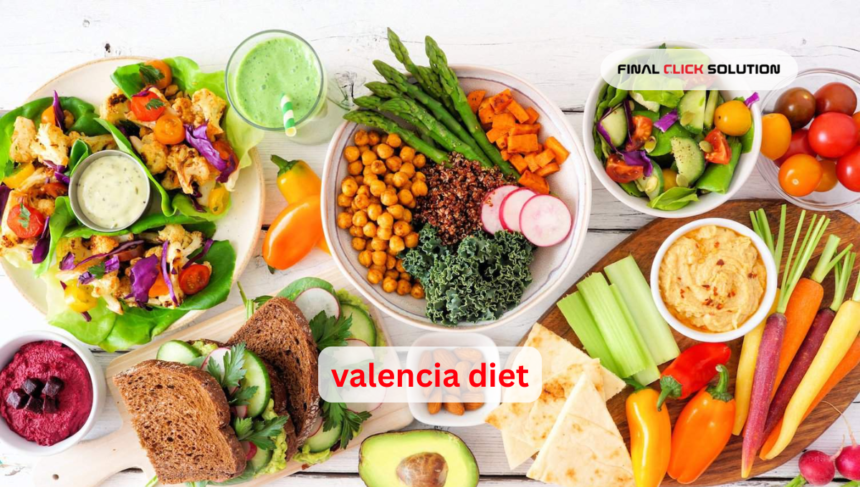
What makes this approach different from typical Western diets? Well, for starters, it’s built around whole foods that come from the earth and sea. Fresh vegetables, fruits (especially the famous Valencia oranges), legumes, whole grains, olive oil, fish, and moderate amounts of dairy and poultry form the foundation. Red meat appears occasionally, not as the star of every meal.
But here’s where it gets interesting. This isn’t just about what you eat—it’s about how you eat. Meals are social events. Food is prepared with care. Eating happens slowly, mindfully, without the distraction of screens or the rush of modern life. When I first tried to adopt this lifestyle back home, I realized how much I’d been inhaling my meals while standing at the kitchen counter or scrolling through my phone.
The Core Principles That Changed Everything
During my extended stay in Valencia, I lived with a host family who unknowingly became my nutrition teachers. Maria, my host mother, would take me to the market almost every morning. She taught me to select produce based on what was in season, what looked vibrant, and what the local farmers recommended that day.
The valencia diet emphasizes fresh, seasonal ingredients above all else. This means your eating pattern naturally shifts throughout the year. In summer, you’re consuming lighter fare—gazpacho, fresh salads, grilled fish, and an abundance of tomatoes and peppers. Winter brings heartier bean stews, roasted vegetables, and citrus fruits that are at their peak.
Olive oil is the liquid gold of this eating style. Maria used it liberally, but always good quality extra virgin olive oil. She’d drizzle it over salads, use it for cooking, even dip bread into it. At first, I worried about the fat content—years of low-fat diet messaging had conditioned me to fear it. But I learned that these monounsaturated fats are actually protective for your heart and help you absorb fat-soluble vitamins.
Whole grains play a supporting role rather than dominating the plate. Brown rice, farro, whole wheat bread, and quinoa appear regularly but in moderate portions. The focus stays on vegetables and legumes, which provide fiber, protein, and countless micronutrients.
My Personal Transformation Journey
I returned home from Spain about fifteen pounds lighter, but more importantly, I felt energized in a way I hadn’t experienced in years. My skin glowed, my digestion had normalized, and I wasn’t experiencing the mid-afternoon energy crashes that used to send me searching for coffee or sugar.
The real challenge? Maintaining this lifestyle in suburban America where convenience foods dominate and eating is often a solitary, rushed activity. I had to get creative and adapt the valencia diet principles to my reality.
I started by completely overhauling my grocery shopping routine. Instead of hitting the big-box supermarket once a week and filling my cart with packaged foods, I began visiting the farmers market every Saturday. Yes, it required more planning. Yes, it sometimes cost more upfront. But the quality difference was undeniable, and I actually wasted less food because I was buying smaller quantities more frequently.
Meal planning became my secret weapon. Every Sunday evening, I’d map out the week’s dinners based on what was seasonal and available. This prevented the weeknight scramble that used to end with takeout orders or frozen pizzas. I learned to embrace simple preparations—roasted vegetables with herbs, grilled fish with lemon, bean soups that could simmer while I worked.
Breaking Down a Typical Day of Mediterranean Eating
Let me walk you through what a typical day looks like now, three years into this journey. It’s not perfect, and it doesn’t look exactly like life in Valencia, but it’s sustainable and enjoyable.
Breakfast usually consists of whole grain toast topped with mashed avocado and a drizzle of olive oil, plus a bowl of seasonal fruit. Sometimes I’ll have Greek yogurt with nuts and honey. Coffee, of course, but sipped slowly while I actually sit down. This was hard at first—I was so used to grabbing something portable and eating in the car. Now, even on busy mornings, I carve out fifteen minutes to sit and eat mindfully.
Mid-morning, if I’m hungry, I might have a handful of almonds or a piece of fruit. The valencia diet doesn’t promote constant snacking, but it also doesn’t leave you starving between meals. The combination of healthy fats, fiber, and protein keeps you satisfied for longer periods.
Lunch is typically the larger meal, following the Mediterranean tradition. A big salad loaded with chickpeas, cucumbers, tomatoes, olives, and feta cheese, dressed simply with olive oil and lemon juice. Or perhaps a vegetable-heavy grain bowl with roasted sweet potatoes, quinoa, sautéed greens, and tahini dressing. Sometimes I’ll include a small portion of grilled chicken or fish.
Dinner tends to be lighter. Grilled sardines with steamed vegetables and a small portion of brown rice. Lentil soup with a side salad. Ratatouille over whole wheat pasta. The emphasis stays on plants, healthy fats, and lean proteins.
The Science Behind Why This Works
I’m not a nutritionist, but I’ve done my research, and the scientific evidence supporting Mediterranean-style eating patterns is overwhelming. Multiple studies have shown that this approach reduces the risk of heart disease, certain cancers, type 2 diabetes, and cognitive decline.
The combination of antioxidant-rich fruits and vegetables, omega-3 fatty acids from fish, anti-inflammatory compounds in olive oil, and fiber from whole grains and legumes creates a powerful nutritional profile. Your body gets everything it needs without excess calories, processed ingredients, or inflammatory foods.
What really struck me was learning about the gut microbiome and how the valencia diet supports beneficial bacteria. The fiber from vegetables, fruits, legumes, and whole grains feeds the good bacteria in your digestive system, which influences everything from immunity to mood to weight management. It’s like tending a garden inside your body.
Overcoming Common Challenges and Obstacles
I’d be lying if I said this transition was seamless. There were definitely moments of frustration, especially in the first few months. Social situations proved particularly tricky. Birthday parties with cake, pizza nights with friends, holiday gatherings centered around foods that didn’t fit this eating pattern.
Here’s what I learned: flexibility matters more than perfection. The valencia diet isn’t a rigid set of rules but a framework for making better choices most of the time. If I’m at a celebration, I enjoy a slice of cake without guilt. If friends order pizza, I have a couple of slices along with a big salad. The next meal, I return to my usual pattern.
Time management was another hurdle. Cooking from scratch takes longer than heating up processed foods. I addressed this by batch cooking on weekends. I’d roast a large tray of vegetables, cook a big pot of beans, prepare grains in advance, and marinate proteins. During the week, I could quickly assemble meals from these components.
Budget concerns are real, especially for fresh produce and quality olive oil. I found ways to make it work by buying seasonal items when they’re cheaper, purchasing dried beans and grains in bulk, and choosing frozen vegetables when fresh wasn’t affordable or available. Wild-caught fish can be expensive, so I also include canned sardines, mackerel, and salmon as budget-friendly omega-3 sources.
Building Sustainable Habits for Long-Term Success
The most important lesson from my experience with the valencia diet? This isn’t a temporary fix or a quick weight-loss scheme. It’s a fundamental shift in how you relate to food and nourishment. That means it needs to be sustainable for the long haul, adaptable to your life circumstances, and flexible enough to accommodate real-world situations.
I started incorporating more ritual and pleasure into my eating experiences. I set the table even when eating alone. I lit candles. I put away my phone. These small actions transformed meals from fuel stops into moments of genuine enjoyment and self-care.
Physical activity naturally complements this eating style. In Valencia, people walk everywhere. They take evening strolls after dinner. They engage in regular, moderate activity rather than intense gym sessions followed by days of sedentary behavior. I tried to mirror this by walking more, taking the stairs, gardening, and finding movement opportunities throughout my day.
Sleep quality improved dramatically as my diet shifted. The combination of nutrient-dense foods, stable blood sugar, and reduced inflammation meant I fell asleep faster and woke up more refreshed. This created a positive feedback loop—better sleep supported better food choices, which supported better sleep.
Practical Tips for Getting Started Today
If you’re intrigued by the valencia diet and want to explore this way of eating, start small. Don’t try to overhaul everything overnight. That approach usually leads to feeling overwhelmed and giving up within a few weeks.
Begin by adding more vegetables to your current meals. If you normally have pasta with meat sauce, add sautéed spinach, mushrooms, and bell peppers. If you eat sandwiches for lunch, pile on the lettuce, tomatoes, cucumbers, and sprouts. Gradually, vegetables become the foundation rather than an afterthought.
Swap your cooking fats for extra virgin olive oil. Use it for sautéing, roasting, and dressing salads. The flavor is richer and more satisfying than neutral oils, and the health benefits are substantial.
Experiment with legumes if they’re not already part of your rotation. Chickpeas, lentils, black beans, and white beans are incredibly versatile, inexpensive, and packed with protein and fiber. Add them to salads, soups, stews, and grain bowls.
Plan for one or two fish meals per week. If you’re not accustomed to cooking fish, start with something simple like baked salmon or pan-seared white fish. The preparation doesn’t need to be complicated to be delicious.
The Emotional and Mental Benefits I Didn’t Expect
Beyond the physical changes, adopting the valencia diet transformed my mental and emotional relationship with food. For years, I’d viewed eating as either “good” or “bad,” constantly judging myself for food choices and feeling guilty after indulgences. This approach cultivates a more compassionate, balanced mindset.
Food is meant to be enjoyed, not feared. Meals are opportunities for nourishment, connection, and pleasure. When you’re eating real, whole foods that make your body feel good, the anxiety around eating naturally diminishes. There’s no complicated point system, no forbidden foods, no extreme restrictions that trigger binge cycles.
My relationship with my body also shifted. Instead of constantly critiquing my appearance or obsessing over the scale, I started appreciating what my body could do. More energy meant I could play with my kids longer, hike further, and engage more fully with life. That’s infinitely more valuable than fitting into a specific clothing size.
Moving Forward With Confidence and Joy
Three years into this journey, the valencia diet doesn’t feel like a diet at all anymore. It’s simply how I eat, how I live. There are still days when I eat pizza or ice cream or whatever else sounds appealing. The difference is that these occasions are genuine choices rather than compulsive behaviors or feelings of deprivation breaking through.
My hope in sharing this story is that someone reading might feel inspired to explore this way of eating themselves. Not because it’s the only path to health, but because it represents a gentler, more sustainable approach than the restrictive diets that dominate our culture.
Start where you are. Use what you have. Make small, incremental changes that feel manageable. Pay attention to how different foods make you feel. Build meals around vegetables, embrace healthy fats, enjoy moderate portions of whole grains and lean proteins, and savor every bite.
The valencia diet gave me back my health, my energy, and my joy around food. It reconnected me with the simple pleasure of eating well and living fully. And if an overwhelmed, diet-fatigued person like me could make these changes work, I genuinely believe anyone can. Your journey might look different than mine, and that’s exactly how it should be. The principles remain the same, but the application is uniquely yours.